
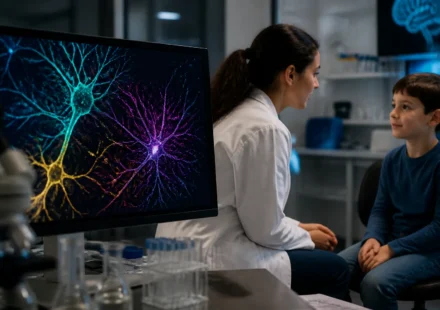
Distinct Neuron Groups Influence Social Behavior Differently: Insights from Recent Autism Research

New research identifies two neuron groups with opposing effects on sociability, offering insights into social behavior relevant to autism spectrum conditions.
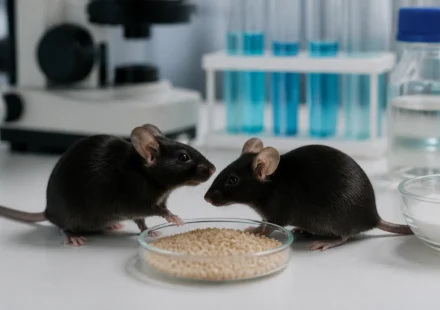
Dietary Tryptophan Supplementation Shows Promise for Social Behavior in Tuberous Sclerosis Mouse Model
A recent study found that dietary tryptophan supplementation improved social behaviors and reduced anxiety-like symptoms in a mouse model of tuberous sclerosis complex, suggesting nutritional approaches may aid neurodevelopmental disorders.
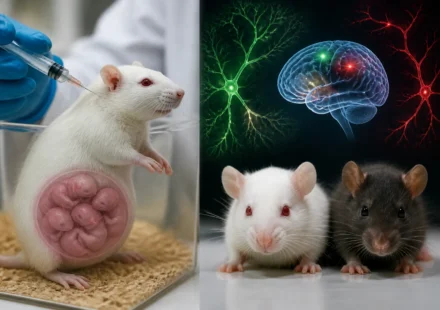
Prenatal Valproate Exposure in Rats Shows Sex-Specific Behavioral and Brain Excitability Changes Linked to Autism Traits
A new study using a rat model of prenatal valproate exposure reveals sex-specific differences in brain excitability and social behavior linked to autism traits, with males showing more social deficits and physical markers correlating with neural changes.
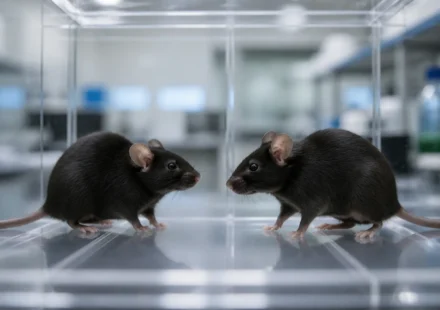
Mouse Model with Pten Mutation Shows Changes in Social Behavior and Brain Activity

A mouse model with a germline Pten mutation shows social behavior impairments, microglial activation, and increased oxytocin activity, shedding light on neurodevelopmental disorder mechanisms.
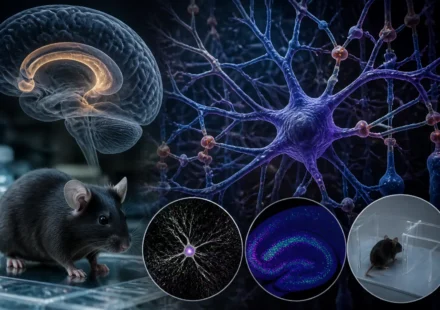
Astrocytes in the Hippocampus Influence Inhibitory Circuit Development and Behavior in Fragile X Syndrome Mouse Model

Research in a Fragile X Syndrome mouse model reveals that astrocytes in the hippocampus influence inhibitory synapse development and behaviors related to socialization and spatial memory, highlighting new avenues for understanding and potentially…