

Exploring the Impact of Maternal Microbiota on Fetal Brain Development and Childhood Outcomes

A new review highlights how the maternal gut microbiota may influence fetal brain development and neurobehavioral outcomes, emphasizing key biological pathways and nutritional factors.
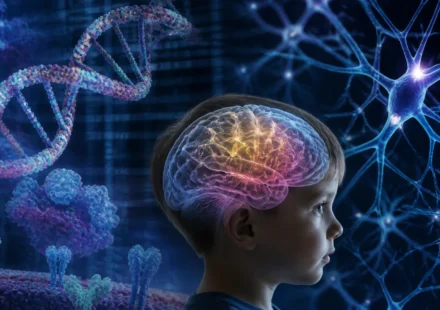
New Framework Illuminates Genetic and Molecular Layers in Autism Spectrum Disorder

A new review proposes a three-layer framework linking genes, biological pathways, and clinical features to better understand syndromic and non-syndromic autism spectrum disorder.

New AI Model Explores Age and Sex Differences in Autism Brain Imaging
A new study introduces a deep learning framework analyzing brain MRI to classify autism spectrum disorder by age and sex, revealing subtle neurodevelopmental differences but limited accuracy.

Study Links Adverse Childhood Experiences to Autism Spectrum Disorder Identification in Late Adolescents

A study of Israeli military conscripts found that adverse childhood experiences were linked to increased identification of autism spectrum disorder during service, suggesting early adversity may influence late ASD diagnosis.
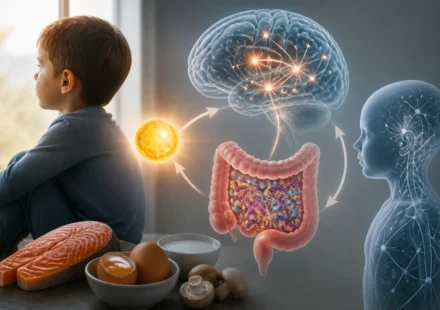
Exploring the Vitamin D-Gut-Brain Connection in Autism Spectrum Disorder

Recent research suggests a complex interplay between vitamin D deficiency and gut microbiota imbalances may influence autism spectrum disorder development through a bidirectional gut-brain axis.

Study Examines Links Between Infant Antibiotic Use and Risks of Autism and ADHD

A large Taiwanese study found that early-life antibiotic exposure is linked differently to autism and ADHD risks depending on antibiotic type, timing, and administration route.
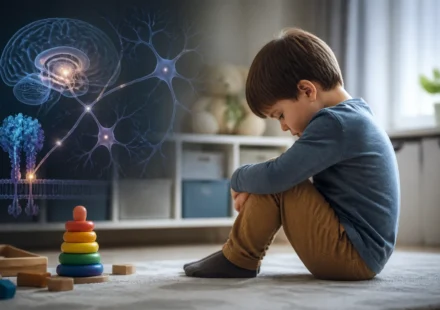
Neuregulin 1/ErbB4 Signaling Pathway Implicated in Autism Spectrum Disorder Development

Research indicates that disruptions in the Neuregulin 1/ErbB4 signaling pathway may contribute to autism spectrum disorder by affecting GABAergic neurons and the PI3K/AKT/mTOR pathway, highlighting potential targets for future therapies.
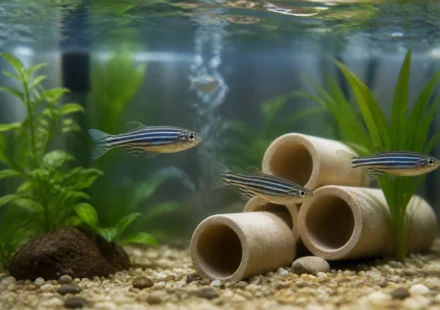
Enriched Environments May Reduce Autism-Like Behaviors in Zebrafish Model of Valproic Acid Exposure

A study using zebrafish exposed to valproic acid suggests that enriched environments may reduce certain autism-like behaviors, with effects varying by developmental stage.
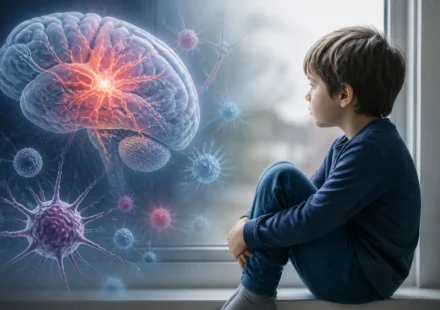
New Phase-Based Neuroinflammatory Model Offers Insight into Autism Spectrum Disorder

A new phase-based neuroinflammatory model suggests that immune system activation and brain inflammation contribute to a biologically distinct subgroup of autism spectrum disorder, offering insights into symptom progression and potential targeted…
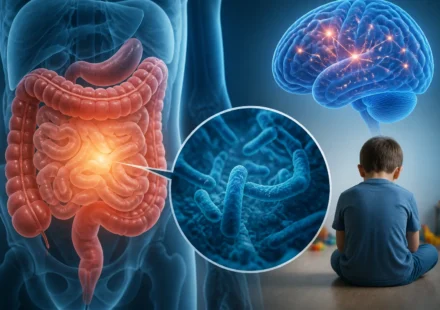
Gut Microbiota-Derived 5-HTP Shows Potential to Improve Autism Symptoms in Animal Models

New research indicates that 5-HTP produced by gut bacteria may cross into the brain and reduce autism-related behaviors in animal models, highlighting a potential therapeutic pathway.