Mouse Model with Pten Mutation Shows Changes in Social Behavior and Brain Activity

New Insights from a Mouse Model with Pten Mutation
A recent study involving a genetically modified mouse model has revealed notable changes in social behavior, brain immune cell activity, and hormone signaling. This research focused on mice carrying a germline mutation in the Pten gene, which is predominantly localized in the cell nucleus.
Behavioral and Neurological Findings
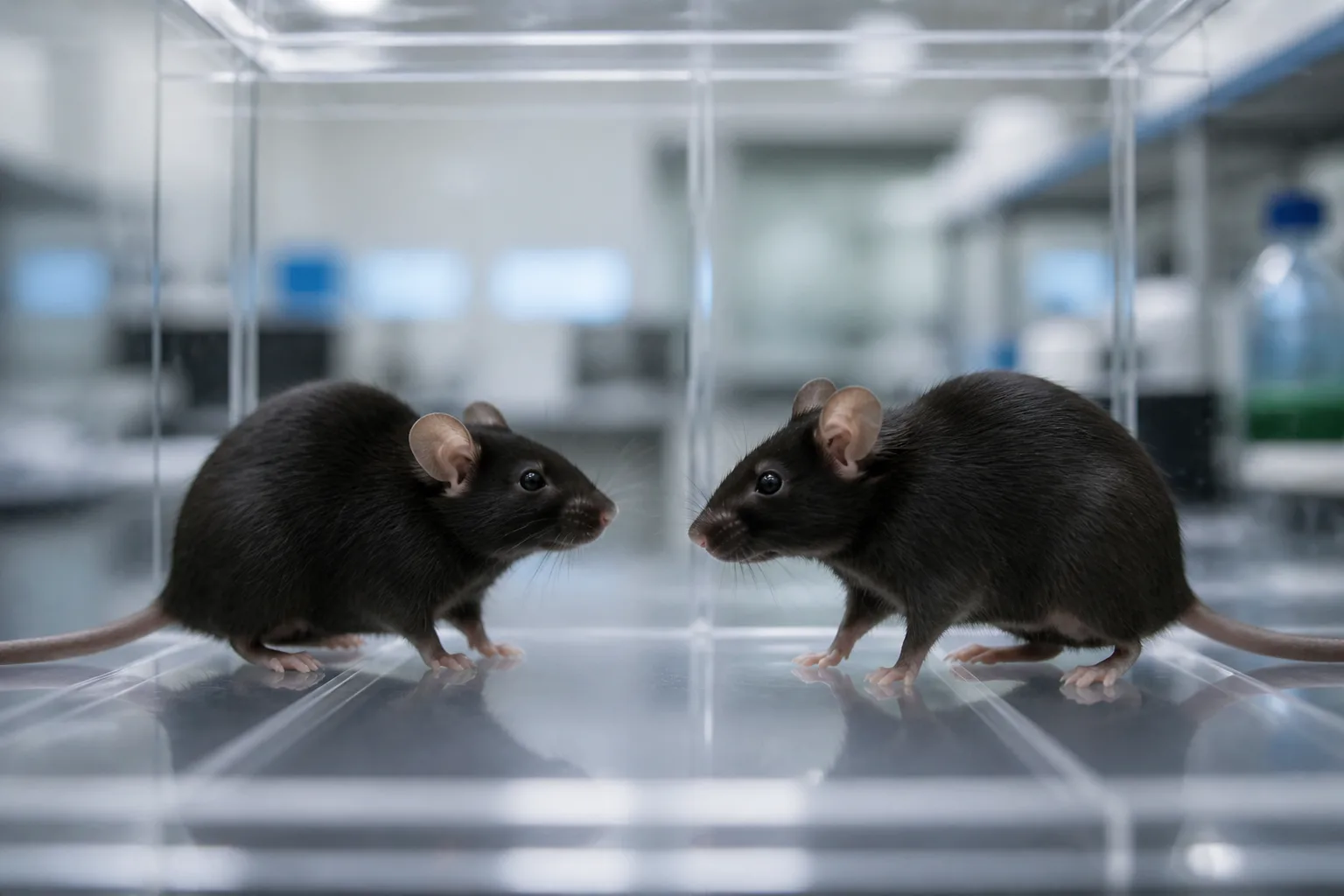
The mice exhibited difficulties with social interaction and displayed repetitive, perseverative behaviors. Alongside these behavioral changes, researchers observed activation of microglia, the brain’s resident immune cells, suggesting an inflammatory or altered immune environment within the brain.
Oxytocinergic System Alterations
Additionally, the study reported increased activity in the oxytocinergic system, which is involved in social bonding and communication. This finding may provide a link between the genetic mutation and the observed social behavior impairments.
Context and Implications
The Pten gene has been implicated in neurodevelopmental disorders, including autism spectrum conditions. Understanding how mutations affect brain function and behavior in animal models can help clarify biological pathways involved in these disorders.
Considerations and Limitations
While these findings offer valuable insights, it is important to note that mouse models do not fully replicate human conditions. Further research is necessary to determine how these results translate to human neurodevelopment and behavior.
For more detailed information, see the original publication: Correction: Germline nuclear-predominant Pten murine model exhibits impaired social and perseverative behavior, microglial activation, and increased oxytocinergic activity.
Download the images in this article