
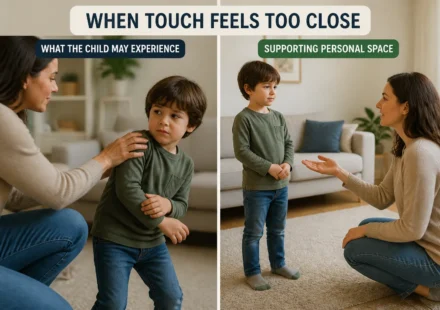
Supporting Children Sensitive to Touch and Personal Space: Practical Sensory Strategies

Learn practical sensory strategies to support children sensitive to touch and personal space. Understand their experience, signs, and respectful ways to help.
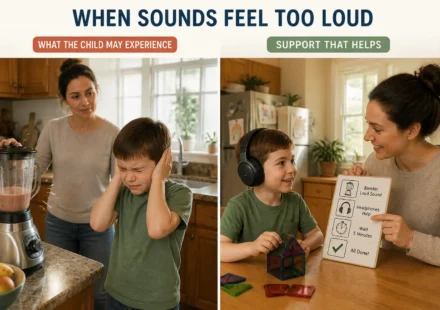
Supporting Children Sensitive to Loud Household Sounds: Practical Sensory Strategies

Learn practical sensory strategies to support children sensitive to loud household sounds. Understand their experience and discover respectful ways to help them feel comfortable.
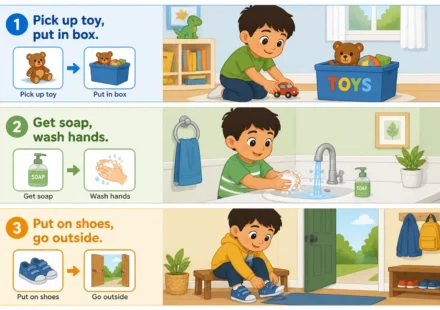
Following Two-Step Directions

Learn how to help your child follow two-step directions with simple, everyday examples like picking up toys and washing hands. Practical tips for parents included.
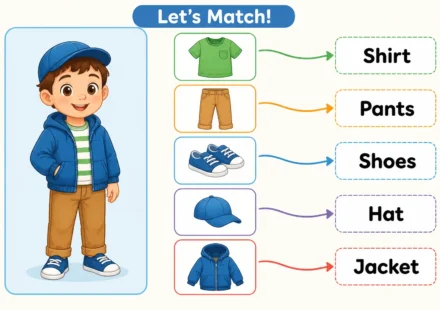
Learning Words for Clothing

Learn how to teach young children, including autistic children, common clothing words like shirt, pants, shoes, hat, and jacket to support everyday communication and independence.
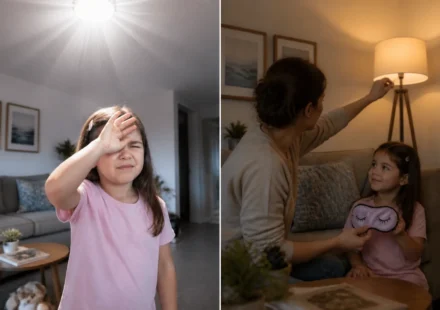
Supporting Children Sensitive to Bright Lights: Practical Sensory Strategies
Learn practical sensory strategies to support young children sensitive to bright lights. Discover signs, causes, and respectful ways to create comfortable environments at home and beyond.
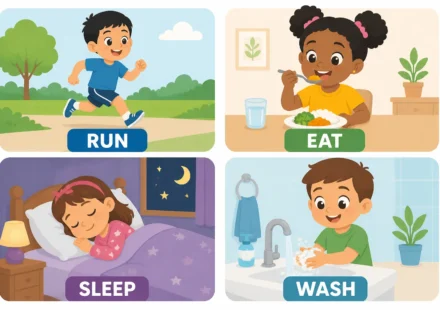
Learning Action Words

Learn how to teach young children important action words like run, eat, sleep, and wash. Practical tips for parents to support early language development naturally.
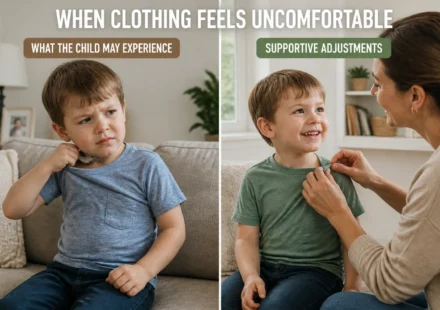
Clothing Texture and Tag Sensitivity: Practical Sensory Support for Young Children
Learn how to support young children sensitive to clothing textures and tags with practical strategies that respect their sensory needs and comfort.
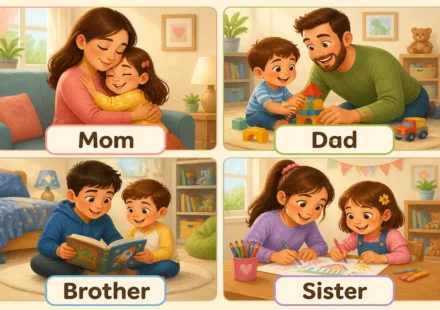
Learning Words for Family Members
Help your child learn and use important family member words like mom, dad, brother, and sister with practical tips and everyday examples.
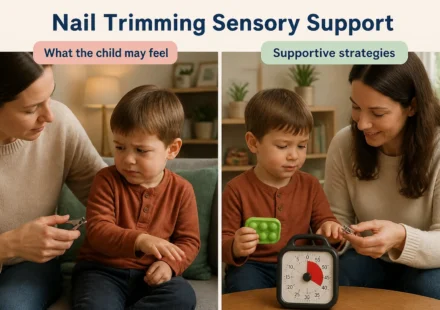
Nail Trimming Sensory Support: Helping Children Feel Comfortable

Nail trimming can be a sensory challenge for many children. Learn what your child may experience and practical strategies to make nail care comfortable and respectful.
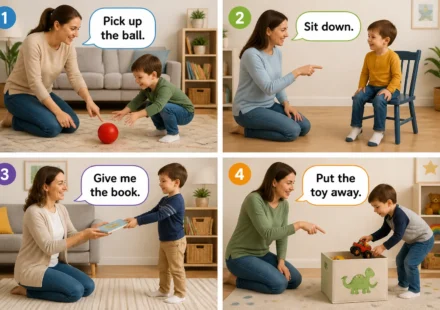
Following One-Step Directions

Learn how to help your child follow one-step directions with clear, simple language and everyday practice. This skill supports communication and independence.