

Ritualistic Behaviors in Autistic Children May Signal Later Internalizing Challenges, Study Finds

A longitudinal study suggests that ritualistic behaviors in autistic children may predict later internalizing symptoms like anxiety, highlighting the importance of early monitoring.
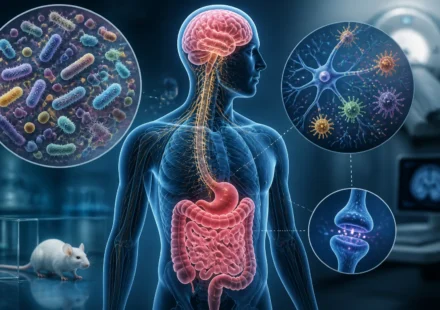
Exploring the Microbiota-Gut-Brain Axis: Insights from a New Special Issue

A new Special Issue explores how gut microbes influence brain chemistry, development, and neurological disorders, highlighting key mechanisms and future research directions.
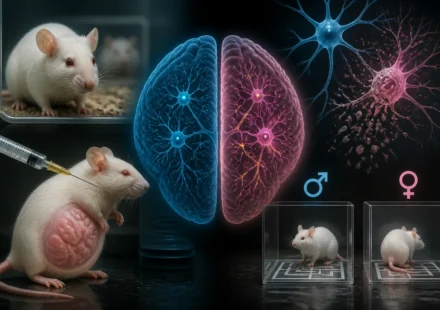
Study Finds Sex Differences in Brain Cell Death Linked to Autism-Like Behaviors After Prenatal Valproic Acid Exposure

New research shows prenatal valproic acid exposure may cause sex-specific ferroptosis-related brain changes linked to autism-like behaviors in mice, especially affecting males.

Omega-3 Supplements Show Modest Benefits for Certain Autism Symptoms, New Review Finds
A new meta-analysis suggests omega-3 supplements may modestly reduce irritability and improve communication in autism spectrum disorder, though larger studies are needed.
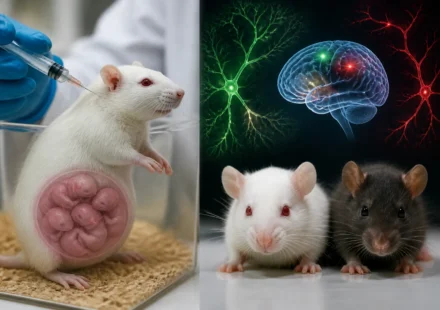
Prenatal Valproate Exposure in Rats Shows Sex-Specific Behavioral and Brain Excitability Changes Linked to Autism Traits

A new study using a rat model of prenatal valproate exposure reveals sex-specific differences in brain excitability and social behavior linked to autism traits, with males showing more social deficits and physical markers correlating with neural changes.

Prenatal Exposure to Common Chemicals Linked to Autism Symptom Patterns in Preschoolers, Vitamin D May Influence Risk

A study of 2,400 mother-child pairs found prenatal exposure to certain chemicals linked to autism symptom patterns in preschoolers, with maternal vitamin D levels influencing risk.
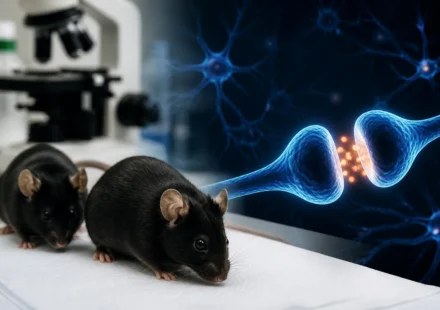
Study Finds Altered Striatal Synaptic Plasticity in Autism Model Mice Overexpressing eIF4E

A recent study reveals that mice overexpressing the autism risk gene eIF4E show altered synaptic plasticity in the striatum, potentially contributing to ASD-related behaviors.
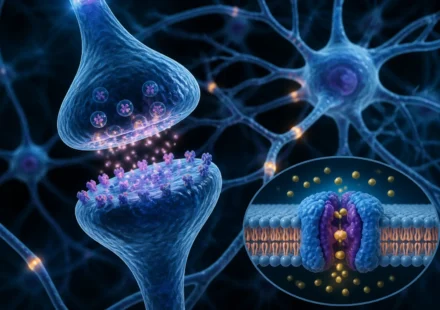
CACNA1C Genetic Variants Influence Neuronal Networks Through Distinct Mechanisms

New research reveals that different genetic variants in CACNA1C affect neuronal networks and development through distinct pathways, influencing conditions like autism and epilepsy.

Reanalysis Suggests Link Between Aluminum-Adjuvanted Vaccines and Neurodevelopmental Disorders in Danish Children
A reanalysis of Danish cohort data suggests a significant association between aluminum-containing vaccines and increased risk of neurodevelopmental disorders in children, challenging previous conclusions.

Review Examines Valproate and Divalproex Use in Autism Spectrum Disorder for Behavioral Symptoms

A systematic review found limited evidence supporting valproate and divalproex use for behavioral symptoms in children with autism spectrum disorder, highlighting the need for further research.