CACNA1C Genetic Variants Influence Neuronal Networks Through Distinct Mechanisms

Overview of CACNA1C and Its Role in Neurodevelopment
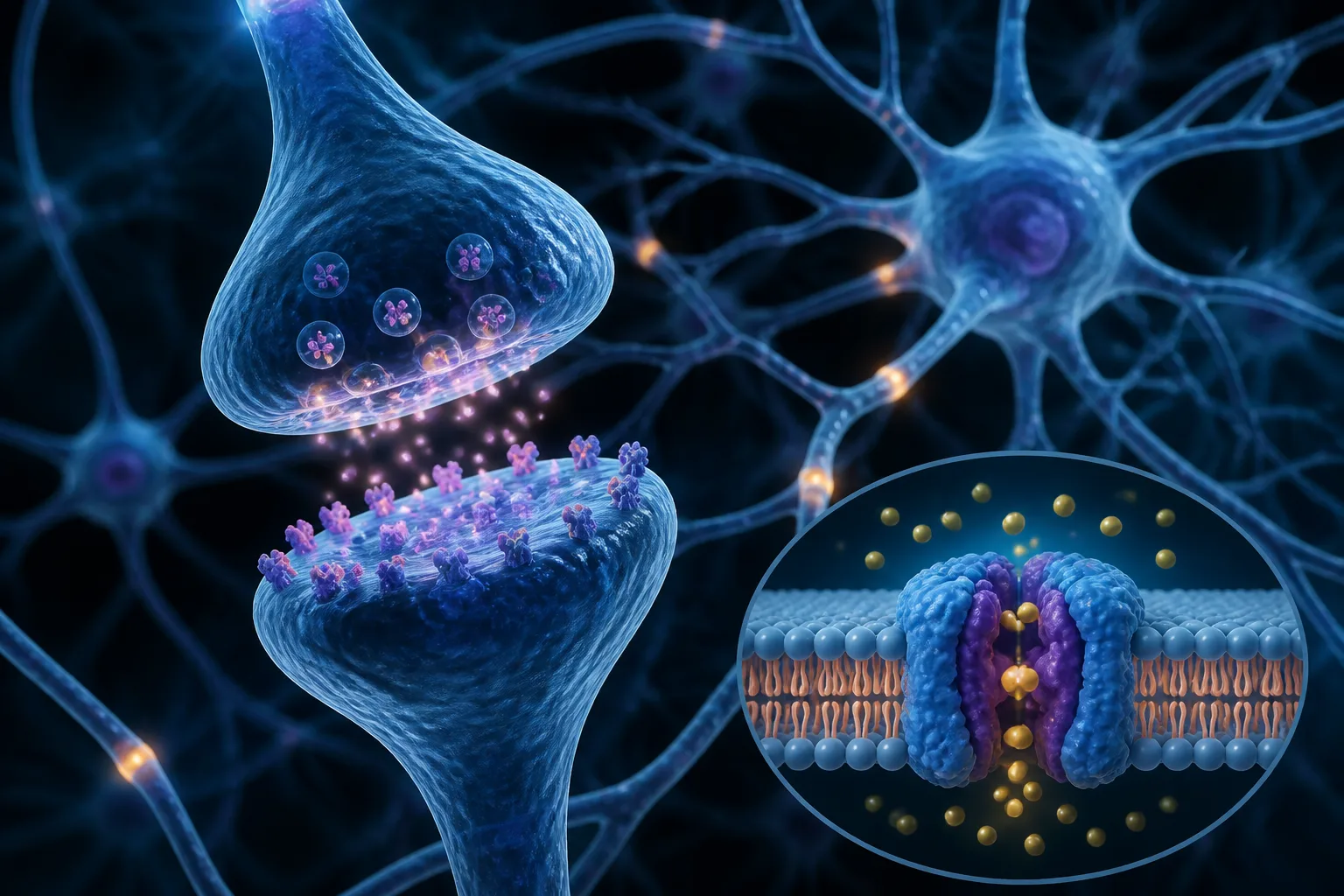
The gene CACNA1C encodes the Cav1.2 subunit of L-type calcium channels, which are critical for neuronal function. Variations in this gene have been linked to a range of psychiatric and neurodevelopmental disorders, including autism spectrum disorder (ASD), intellectual disability, and epilepsy. However, the precise cellular pathways through which different CACNA1C variants affect brain development and function have remained unclear.
New Research on Variant-Specific Effects in Human Neurons
Researchers recently investigated how different CACNA1C variants impact neuronal activity and development by creating human induced pluripotent stem cell (iPSC) lines with specific genetic changes. These included loss-of-function mutations and a novel gain-of-function variant (p.Ala1521Pro) derived from a patient with neurodevelopmental symptoms.
Using multielectrode arrays to measure neuronal network activity, the team observed that neurons harboring these variants exhibited opposing changes in network dynamics. Further pharmacological and gene expression analyses suggested that these differences were linked to disrupted gamma-aminobutyric acid (GABA) signaling, which is essential for maintaining the balance between excitatory and inhibitory signals in the brain.
Impact on Early Neuronal Development
Beyond network activity, the study examined early developmental features such as rosette morphology—a marker of neural differentiation—and CREB (cAMP response element binding protein) phosphorylation, which influences gene transcription. Loss-of-function variants altered rosette structure and reduced CREB phosphorylation, alongside changes in gene expression related to axon growth and synapse formation. Conversely, the gain-of-function patient variant produced opposite effects on these developmental markers, underscoring variant-specific pathways.
Implications for Understanding Neurodevelopmental Disorders
These findings highlight the complex role of Cav1.2 channels in regulating the excitatory-inhibitory balance and neuronal network organization. The divergent effects of CACNA1C variants provide insight into why mutations in the same gene can lead to a spectrum of neurodevelopmental conditions such as ASD and epilepsy. This research establishes a foundation for further studies to characterize how specific genetic changes in CACNA1C influence human neuronal function and may inform future therapeutic strategies.
Considerations and Future Directions
While this study offers valuable insights, it is based on cellular models that may not fully capture the complexity of human brain development. Additional research is needed to confirm these mechanisms in vivo and to explore how environmental factors might interact with genetic variants. Clinicians and families should interpret these findings as part of ongoing efforts to understand neurodevelopmental disorders rather than definitive diagnostic or treatment guidance.
For more detailed information, see the original publication: CACNA1C Genetic Variants Differentially Affect Neuronal Networks Through Divergent Pathways.
Download the images in this article