
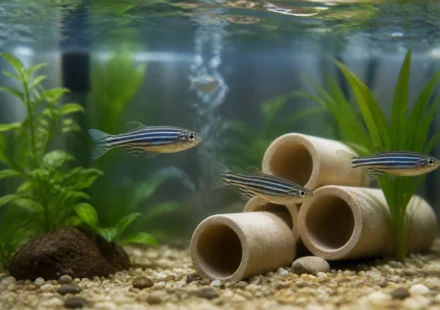
Enriched Environments May Reduce Autism-Like Behaviors in Zebrafish Model of Valproic Acid Exposure

A study using zebrafish exposed to valproic acid suggests that enriched environments may reduce certain autism-like behaviors, with effects varying by developmental stage.
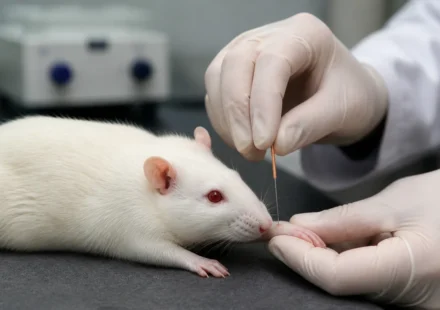
Acupuncture at Neiguan (PC6) Shows Potential to Improve Behavioral and Brain Changes in Autism Model Rats

A new study in rats suggests acupuncture at Neiguan (PC6) may improve behavioral symptoms and reduce brain inflammation associated with autism spectrum disorder.
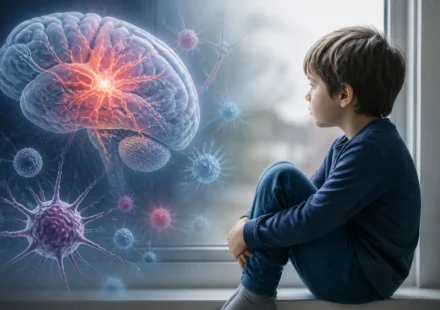
New Phase-Based Neuroinflammatory Model Offers Insight into Autism Spectrum Disorder

A new phase-based neuroinflammatory model suggests that immune system activation and brain inflammation contribute to a biologically distinct subgroup of autism spectrum disorder, offering insights into symptom progression and potential targeted…

Telehealth Use in Children with Autism Spectrum Disorder Shows Mixed Health Outcomes

A study comparing telehealth and in-person care for children with autism found telehealth linked to fewer hospitalizations but more irritability-related visits, highlighting the need for hybrid care approaches.

Compassion-Focused Therapy Shows Promise in Supporting Mothers of Children with Autism Spectrum Disorder

A recent study found that compassion-focused therapy may reduce parental burnout, self-criticism, and psychological distress in mothers of children with autism spectrum disorder, with benefits lasting at least three months.

Electroconvulsive Therapy Shows Promise for Catatonia in SCN2A Variant Patient with Autism

An 18-year-old autistic patient with an SCN2A gene variant showed rapid catatonia remission after electroconvulsive therapy, highlighting potential treatment mechanisms involving cortical spreading depolarization.
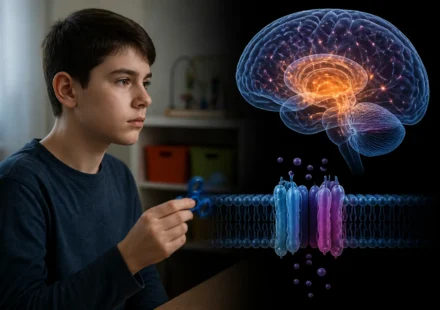
New KCNA1 Gene Variant Linked to Autism Spectrum Disorder and Tremor Shows Complex Effects on Brain Ion Channels

A newly identified KCNA1 gene variant in a teenager with autism and tremor shows both loss- and gain-of-function effects on brain potassium channels, expanding the known clinical spectrum of KCNA1-related disorders.

Millet-Based Gluten-Free, Casein-Free Diet Shows Promise for Children with Autism in India: A 12-Week Pilot Study

A 12-week pilot study in India found that millet-based gluten-free, casein-free diets are feasible and well accepted by children with autism spectrum disorder, with potential nutritional and behavioral benefits.
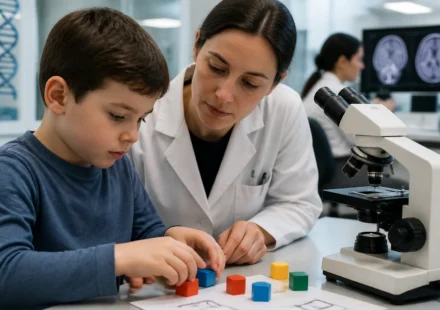
Rare SH2B1 Gene Variants Linked to Neurodevelopmental Disorders and Metabolic Features

A study links rare SH2B1 gene variants to neurodevelopmental disorders with metabolic symptoms, expanding understanding of their clinical impact.
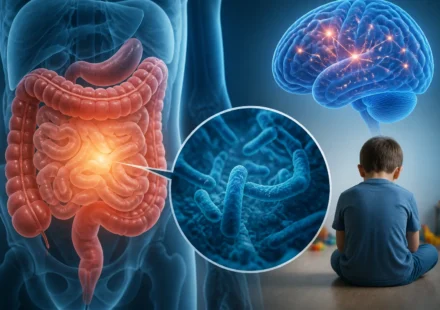
Gut Microbiota-Derived 5-HTP Shows Potential to Improve Autism Symptoms in Animal Models
New research indicates that 5-HTP produced by gut bacteria may cross into the brain and reduce autism-related behaviors in animal models, highlighting a potential therapeutic pathway.