

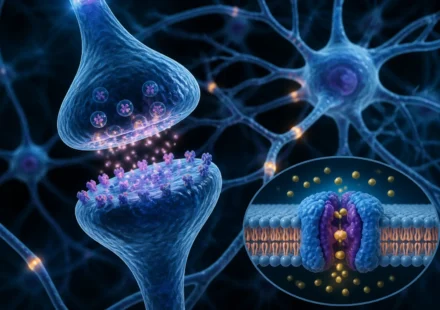
CACNA1C Genetic Variants Influence Neuronal Networks Through Distinct Mechanisms

New research reveals that different genetic variants in CACNA1C affect neuronal networks and development through distinct pathways, influencing conditions like autism and epilepsy.
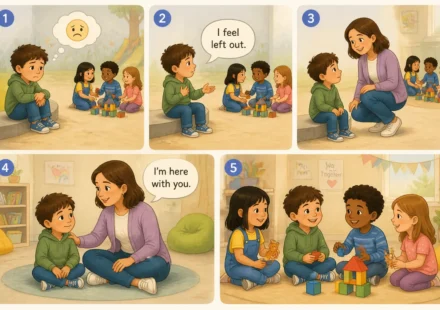
Helping Young Children Cope with Feeling Left Out
Feeling left out can be tough for young children, especially autistic children. Learn how to recognize, support, and help your child cope with feeling left out with gentle strategies.

Study Finds Changing Profiles of Children Diagnosed With ADHD and ASD Over Time
A Danish study reveals that children diagnosed with ADHD or ASD between 2012 and 2022 show decreasing differences from peers in socioeconomic and perinatal factors, suggesting evolving diagnostic practices.
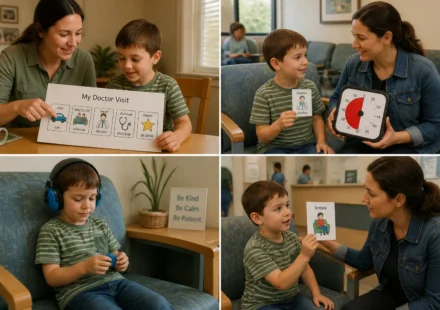
Waiting at the Doctor’s Office: Supporting Your Child Through the Challenge
Waiting at the doctor’s office can be tough for young children, especially those with sensory or communication needs. Learn four practical strategies to prepare, support, and build independence during this common challenge.
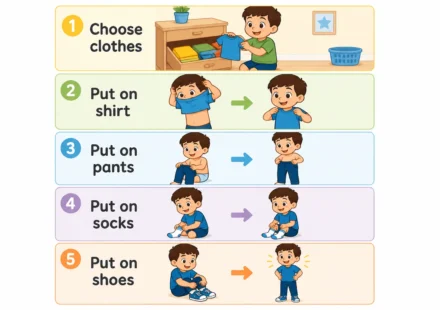
Getting Dressed: A 5-Step Visual Routine for Young Children
Learn a clear 5-step visual routine to support young children, including autistic children, in the daily transition of getting dressed with practical strategies and communication tools.
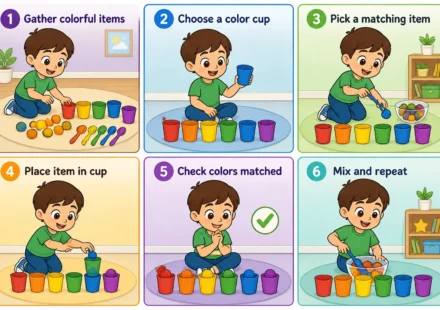
Simple Color Sorting: A Fun Learning Through Play Activity
Discover a simple color sorting activity that builds fine motor skills, color recognition, and problem solving in young children through playful learning.
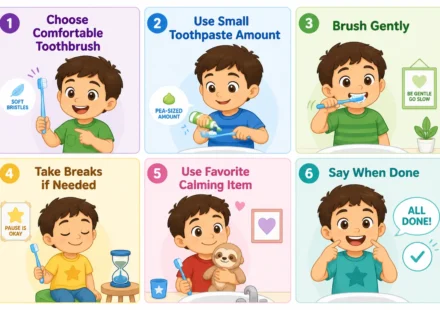
Sensory-Friendly Toothbrushing: 6 Steps to Help Children Stay Comfortable
Discover 6 sensory-friendly toothbrushing steps to help children stay comfortable, communicate needs, and enjoy a positive daily routine.

Marco Facchin Delves into the Dynamic Interplay of Neuroscience Theory and Philosophy
Marco Facchin emphasizes that while computational models are influential in neuroscience, they are part of a broader, evolving set of theories exploring cognition's complexity.
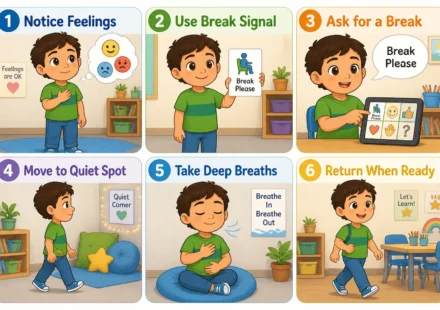
Asking for a Break: 6 Positive Steps for Young Children
Learn 6 positive steps to teach young children how to ask for a break, supporting communication and self-regulation with clear, child-friendly strategies.