
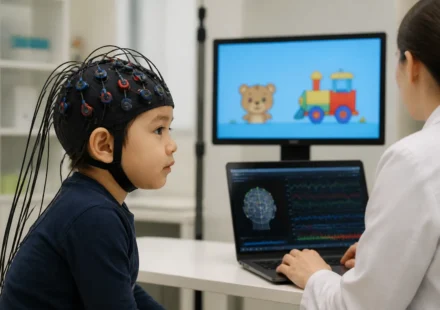
Exploratory Study Uses fNIRS and Machine Learning to Differentiate Autism in Young Children

A study explored using functional near-infrared spectroscopy (fNIRS) with machine learning to classify autism in children aged 2-6, finding modest accuracy and no significant diagnostic advantage beyond age and sex.
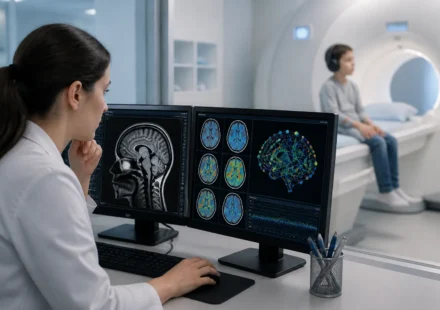
New Deep Learning Framework Enhances Autism Spectrum Disorder Detection Using Brain MRI

A new deep learning framework using advanced MRI image analysis shows promise in improving early detection of Autism Spectrum Disorder, potentially aiding clinical diagnosis.
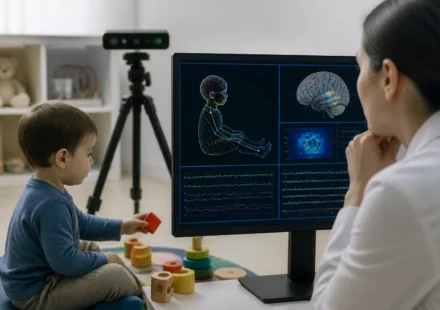
Systematic Review Highlights Promise and Challenges of Machine Learning for Early Autism Detection

A systematic review of machine learning models for early autism detection reveals promising diagnostic accuracy but highlights challenges in validation and clinical integration.
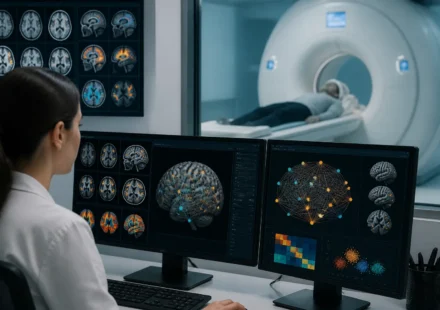
Study Compares Synolitic Graphs and Traditional Methods for Autism Classification Using Resting-State fMRI

A new study compared synolitic graphs with traditional connectivity methods for classifying autism from resting-state fMRI data, finding conventional approaches more accurate.
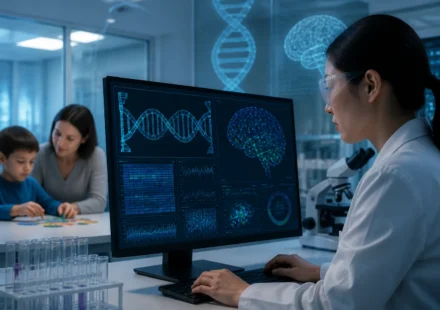
Advances and Challenges in Machine Learning for Autism Genomic Research

A recent review evaluates machine learning advances in autism genomic research, highlighting progress in gene expression, sequencing, microbiome analysis, and challenges like bias and interpretability.
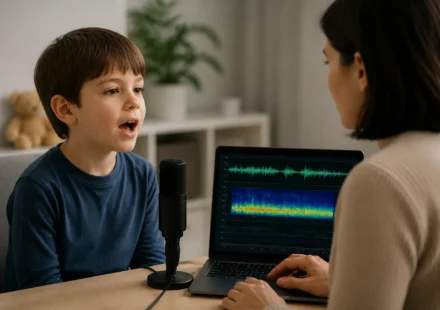
New AI Model Enhances Voice-Based Autism Detection Using Multiple Audio Features

A new AI model combining multiple audio features improves voice-based autism detection accuracy to over 94%, offering promise for early, noninvasive screening tools.
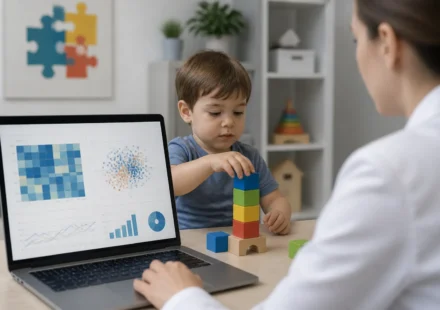
NeuroCypher ASD: A New Machine Learning Tool to Support Early Autism Screening in Toddlers

Researchers have developed NeuroCypher ASD, a machine learning and knowledge graph-based framework to improve early screening and interpretation of Autism Spectrum Disorder risk in toddlers.
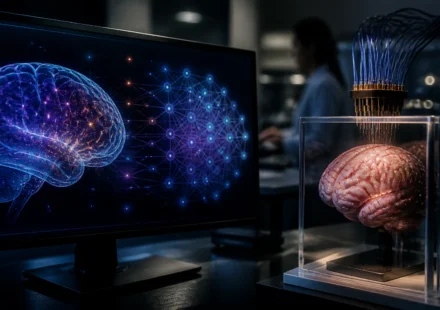
Understanding Similarities Between Brains and AI Models: New Approaches in Neural Comparison
New methods to compare neural activity across brains and AI models are emerging, but translating similarity metrics into deeper understanding remains a challenge.