
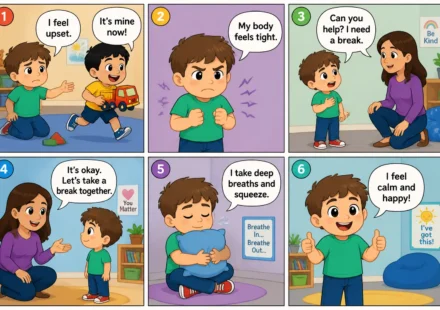
Helping Young Children Cope with Social Frustration

Learn practical strategies to help young children cope with social frustration, understand their feelings, communicate needs, and find calm with supportive adults.
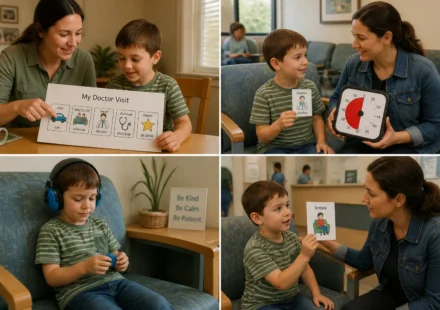
Waiting at the Doctor’s Office: Supporting Your Child Through the Challenge

Waiting at the doctor’s office can be tough for young children, especially those with sensory or communication needs. Learn four practical strategies to prepare, support, and build independence during this common challenge.
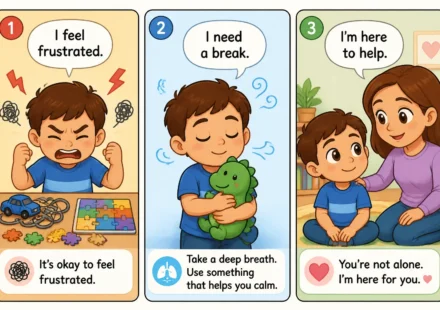
Helping Young Children Understand and Manage Frustration

Learn how to help young children, including autistic children, understand and manage frustration with practical strategies, supportive adult responses, and calm practice.
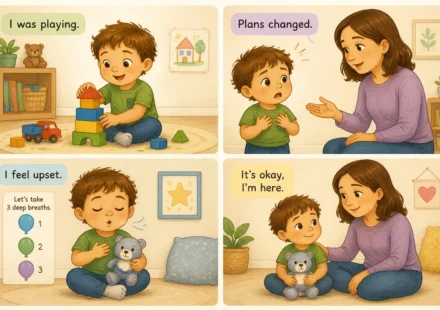
When Plans Suddenly Change: Helping Young Children Cope with Unexpected Changes

Learn practical ways to help young children, including autistic children, cope with unexpected changes in plans through supportive strategies and calm communication.
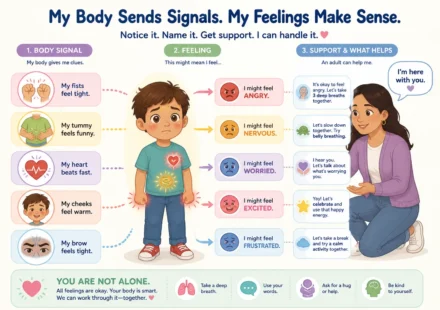
My Body Gives Me Clues: Helping Young Children Recognize Body Signals of Emotions

Discover how young children can recognize body signals of emotions and how adults can support this key step in emotional regulation with practical strategies.
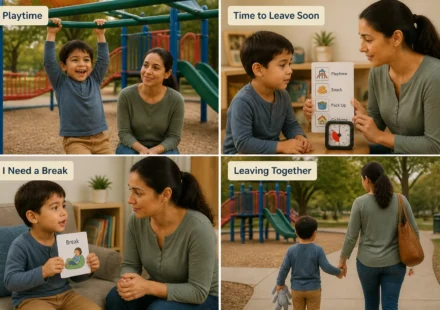
Leaving the Playground: Supporting Your Child Through a Difficult Transition

Leaving the playground can be tough for young children, especially those with autism. Learn four key supports to prepare, communicate, and support your child through this transition.
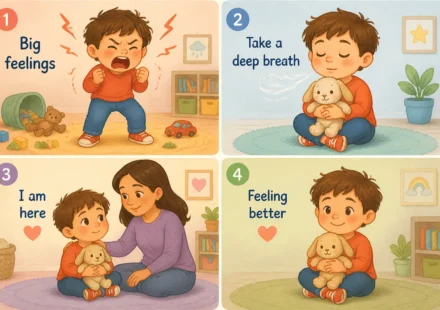
Recognizing and Managing Big Feelings: Emotional Regulation for Young Children

Learn how to help your child recognize and manage big feelings like anger and frustration with gentle, practical emotional regulation strategies for young children.
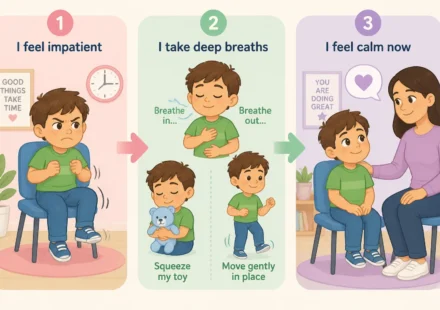
Waiting Can Feel Hard: Helping Young Children Understand and Manage Waiting
Waiting can feel hard for young children, including autistic children. Learn how to recognize feelings, use coping strategies, and support your child through waiting moments.
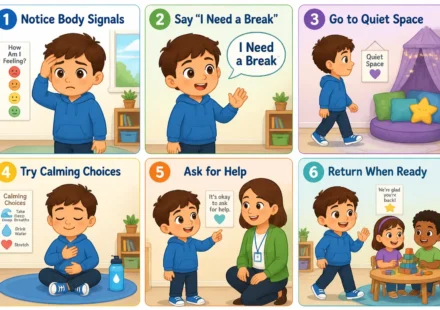
When I Need a Break: 6 Steps to Recognize and Ask for a Break in Young Children

Teach young children to recognize when they need a break and how to ask for one safely with 6 clear steps: notice body signals, say "I need a break," go to quiet space, try calming choices, ask for help, and return when ready.
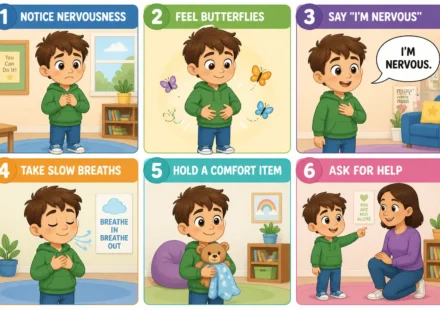
When I’m Nervous: 6 Steps to Recognize and Manage Nervousness in Young Children

Learn 6 practical steps to help young children recognize and manage nervousness, including noticing feelings, body signals, communicating needs, and safe coping strategies.