
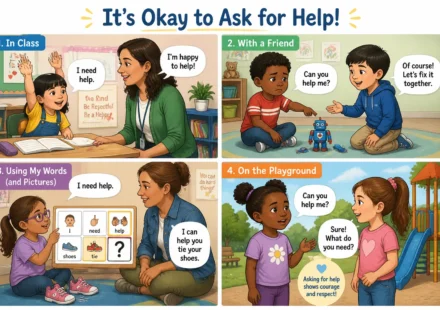
How to Ask for Help: 5 Clear Social Steps for Children

Learn how to teach young children, including autistic children, to ask for help with 5 clear social steps, practical communication options, and respectful support.
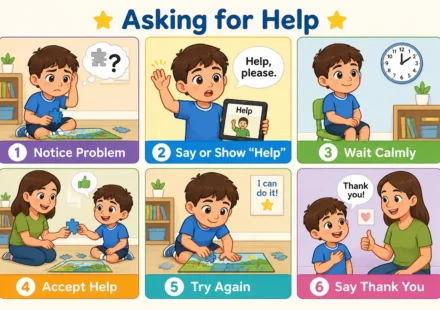
Asking for Help: 6 Positive Steps for Young Children

Learn 6 positive steps for young children to ask for help using clear communication, patience, and gratitude. Support independence and safe problem-solving.
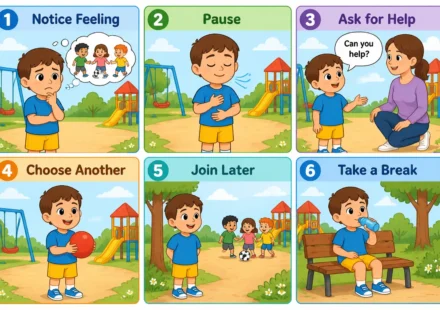
When I Feel Left Out: 6 Helpful Steps for Kids to Cope

Help your child cope with feeling left out using 6 practical steps: notice feeling, pause, ask for help, choose another activity, join later, and take a break.
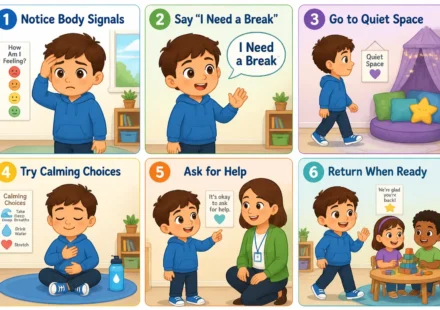
When I Need a Break: 6 Steps to Recognize and Ask for a Break in Young Children

Teach young children to recognize when they need a break and how to ask for one safely with 6 clear steps: notice body signals, say "I need a break," go to quiet space, try calming choices, ask for help, and return when ready.
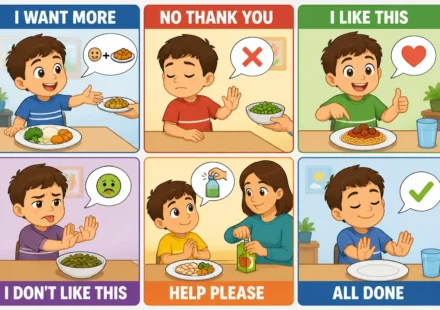
Mealtime Communication: 6 Essential Phrases for Young Children

Support your child's communication during meals with 6 essential phrases like 'I WANT MORE' and 'HELP PLEASE.' Learn practical ways to practice these skills naturally.
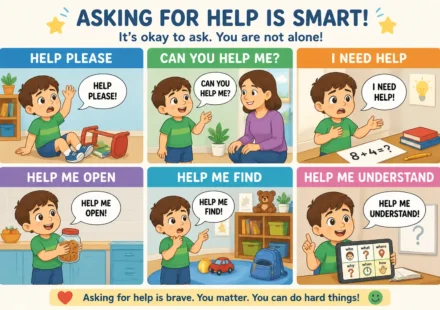
Asking for Help: 6 Essential Communication Phrases for Young Children

Help your child communicate their needs with 6 essential asking for help phrases. Learn practical ways to teach and practice these key communication skills.
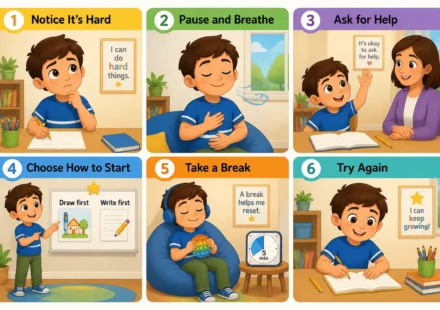
When I Have to Start a Non-Preferred Task: 6 Helpful Steps for Kids to Cope

Help your child cope when they have to start a non-preferred task with 6 practical steps: notice feelings, pause, ask for help, choose how to start, take breaks, and try again.
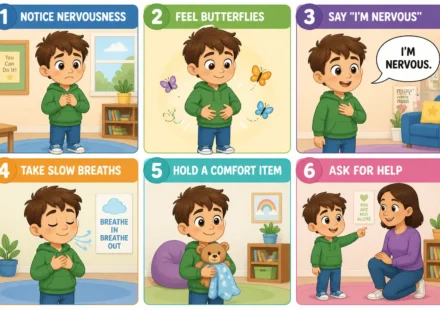
When I’m Nervous: 6 Steps to Recognize and Manage Nervousness in Young Children
Learn 6 practical steps to help young children recognize and manage nervousness, including noticing feelings, body signals, communicating needs, and safe coping strategies.
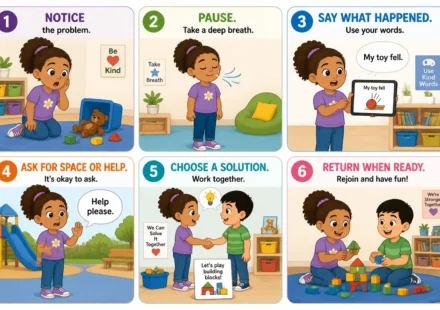
Handling Disagreement: 6 Clear Steps to Support Your Child’s Social Skills
Teach your child 6 clear steps to handle disagreement calmly and respectfully: notice the problem, pause, say what happened, ask for space or help, choose a solution, and return when ready.
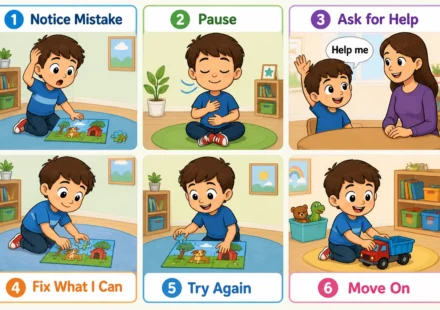
When I Make a Mistake: 6 Steps to Help Kids Cope
Help your child cope with mistakes using 6 practical steps: notice, pause, ask for help, fix what I can, try again, and move on. Support emotional growth with these strategies.