
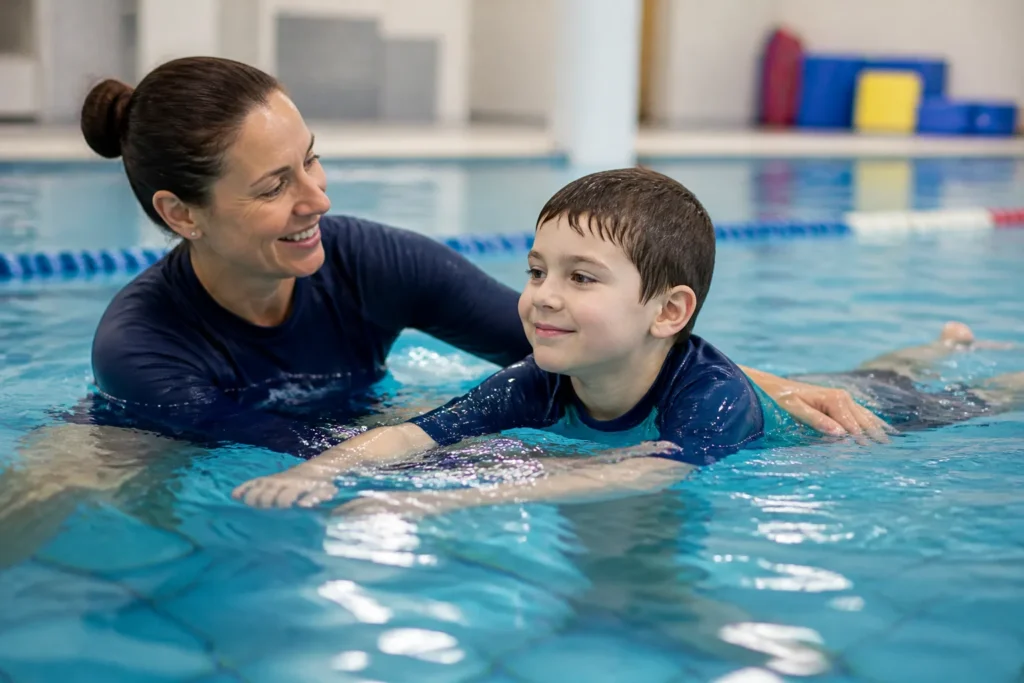






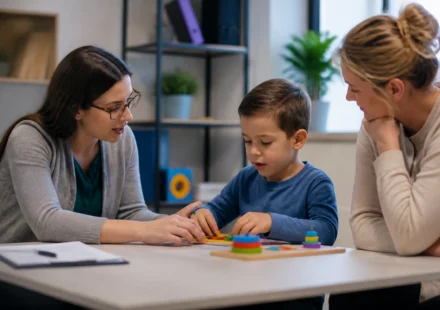
Toronto Organization Develops Ethical Framework for Direct Service Funding in Developmental Services

A Toronto developmental services organization developed an ethics framework to address challenges arising from Ontario's needs-based autism direct funding program, balancing choice with equity.

Interval-Based Aerobic Exercise and Parent Education May Improve Sleep and Attention in Children with Autism

A new trial suggests that combining interval-based aerobic exercise with parent behavioral education may improve sleep efficiency and attention in children with autism spectrum disorder experiencing sleep disturbances.
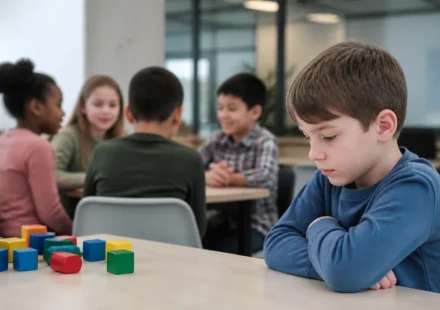
Study Reveals How Sex and IQ Influence Social Attention Differences in Autism

A new study finds that social attention differences in autism vary by sex and cognitive ability, with autistic females and children with lower IQ showing greater reductions in gaze to faces.
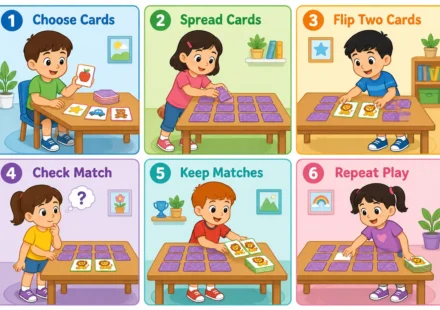
Simple Memory Matching Game: A Fun Learning Through Play Activity

Boost your child's memory, attention, and language skills with this simple memory matching game. Learn 6 easy steps to play and adapt at home.

Study Finds No Causal Link Between Pregnancy Inflammation and Child Neurodevelopmental Outcomes

A genetic study in Norway found no evidence that maternal inflammation during pregnancy causes neurodevelopmental disorders such as ADHD or autism in children, suggesting previous links may reflect genetic confounding.
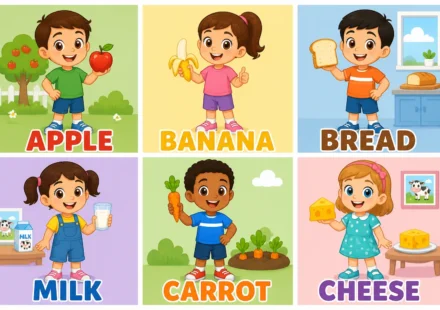
Teaching Food Vocabulary: 6 Everyday Foods for Young Children

Teach young children six everyday food words—apple, banana, bread, milk, carrot, and cheese—with a bright, engaging cartoon visual learning set. Practical tips for parents included.
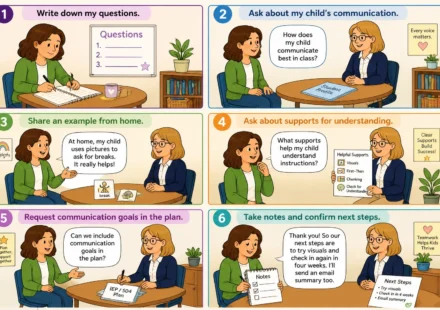
Preparing Questions to Ask a Teacher About My Child’s Communication Needs

Learn 6 practical questions parents can prepare to ask teachers about their child's communication needs to support effective advocacy and collaboration.
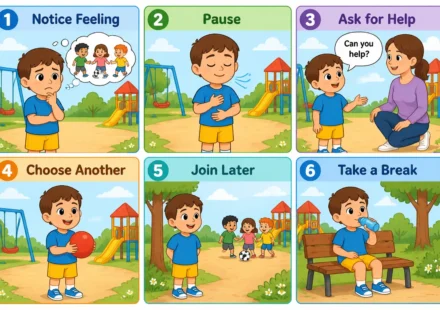
When I Feel Left Out: 6 Helpful Steps for Kids to Cope

Help your child cope with feeling left out using 6 practical steps: notice feeling, pause, ask for help, choose another activity, join later, and take a break.
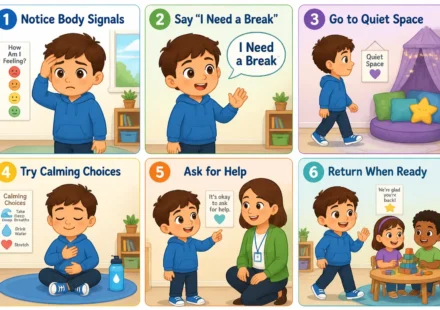
When I Need a Break: 6 Steps to Recognize and Ask for a Break in Young Children

Teach young children to recognize when they need a break and how to ask for one safely with 6 clear steps: notice body signals, say "I need a break," go to quiet space, try calming choices, ask for help, and return when ready.
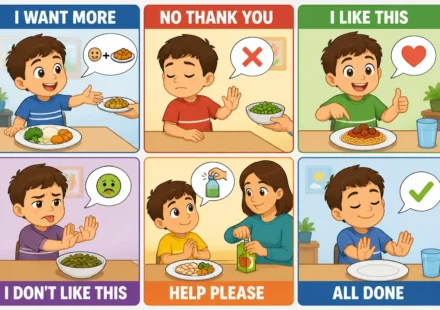
Mealtime Communication: 6 Essential Phrases for Young Children

Support your child's communication during meals with 6 essential phrases like 'I WANT MORE' and 'HELP PLEASE.' Learn practical ways to practice these skills naturally.