
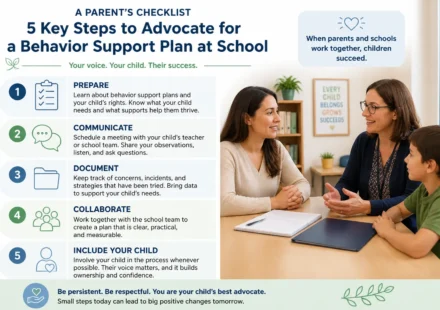
Advocating for Behavior Support Plans at School: A Practical Guide for Parents

Learn practical steps to advocate effectively for a behavior support plan at school, ensuring your autistic child's dignity, communication, and sensory needs are respected.
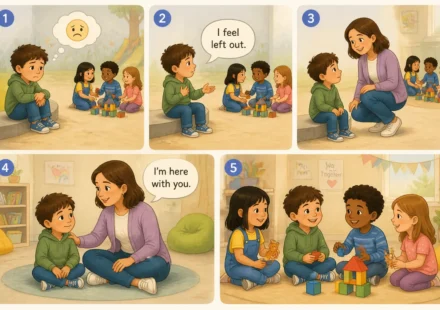
Helping Young Children Cope with Feeling Left Out

Feeling left out can be tough for young children, especially autistic children. Learn how to recognize, support, and help your child cope with feeling left out with gentle strategies.
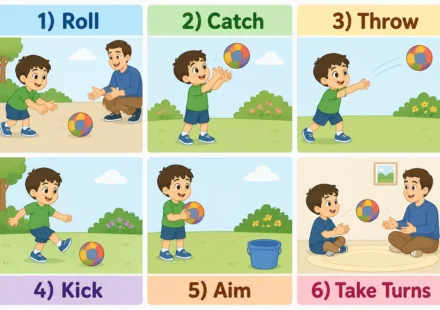
Simple Ball Play: A Fun Learning Through Play Activity

Discover a simple ball play activity with 6 fun steps to boost your child's motor skills, coordination, and social turn-taking. Easy for families to try!
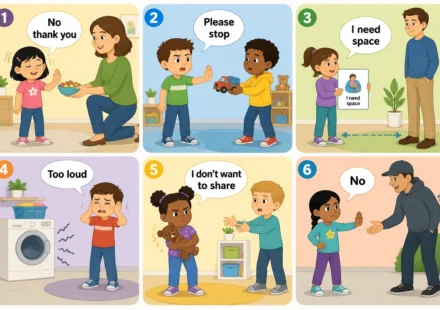
How I Can Say No: 6 Phrases to Set Boundaries

Teach young children how to say no respectfully with 6 practical phrases to set boundaries, refuse unwanted actions, and express needs clearly in daily life.
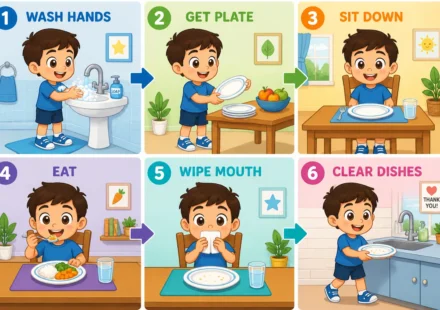
Mealtime Routine Visual Learning Set: 6 Steps to Help Your Child Build Independence

Help your child build independence with this 6-step mealtime routine visual learning set. Teach washing hands, getting a plate, sitting down, eating, wiping mouth, and clearing dishes.
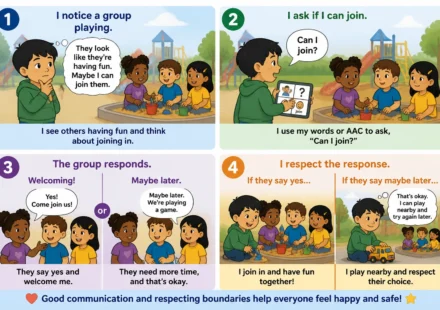
Asking to Join a Group

Learn how children can ask to join a group with respect and confidence. This guide teaches four key social skills to communicate interest, respect boundaries, and respond appropriately.
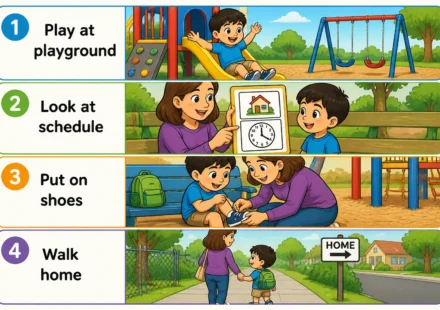
Transition from Playground to Home: A Simple 4-Step Visual Routine

Learn a simple 4-step visual routine to help young children transition smoothly from playground to home, reducing anxiety and supporting communication and independence.
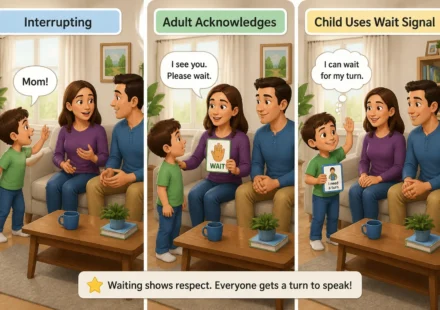
Supporting Young Children Who Interrupt: 5 Positive Steps for Parents

Interrupting is a common challenge for young children, including autistic children. Learn 5 positive steps to understand, prevent, and support your child in communicating respectfully.
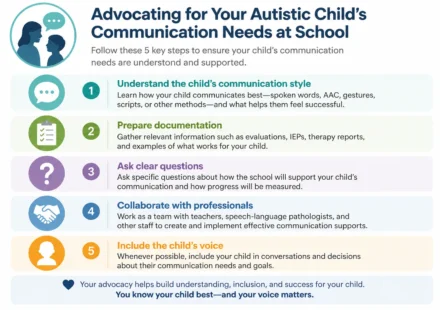
Advocating for Your Autistic Child’s Communication Needs at School: A Practical Parent Guide

Learn practical strategies to advocate effectively for your autistic child's communication needs at school, respecting their dignity and preferred methods.
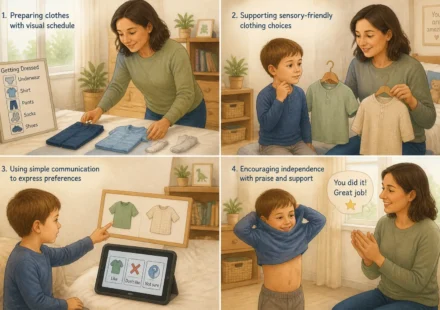
When Getting Dressed Feels Hard
Getting dressed can be challenging for young children with sensory or communication needs. Learn why it’s hard and practical ways to support your child during dressing routines.