

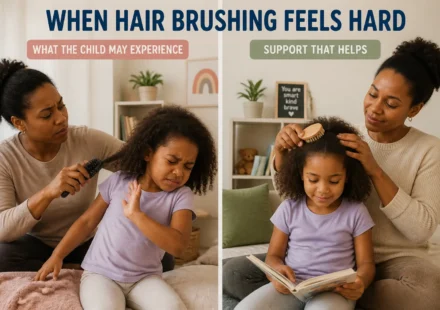
Supporting Children Sensitive to Hair Brushing: Practical Strategies for Parents

Learn practical strategies to support children sensitive to hair brushing. Understand sensory experiences, recognize signs, and help make grooming routines comfortable and positive.
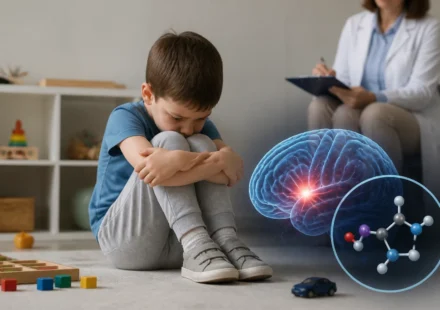
Study Links TMAO Miscompartmentalization to Autism Spectrum Disorder and Explores Potential Treatment
Research reveals that altered distribution of microbiota-derived TMAO may contribute to autism spectrum disorder, with urea showing potential as a therapeutic agent in animal models.
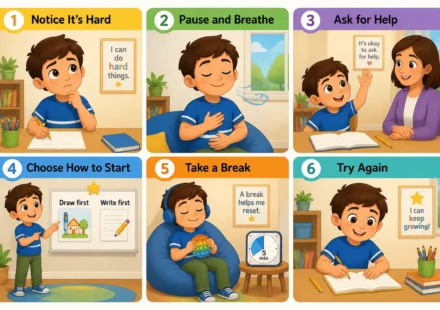
When I Have to Start a Non-Preferred Task: 6 Helpful Steps for Kids to Cope
Help your child cope when they have to start a non-preferred task with 6 practical steps: notice feelings, pause, ask for help, choose how to start, take breaks, and try again.
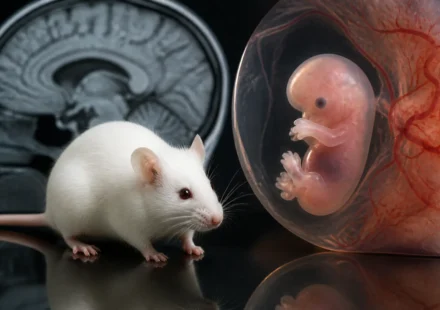
Prenatal Brain Development Differences in BTBR Mouse Model Linked to Neurodevelopmental Disorders
A new study reveals prenatal brain development differences in the BTBR mouse model, highlighting altered cortical layering and midline structures linked to neurodevelopmental disorders.
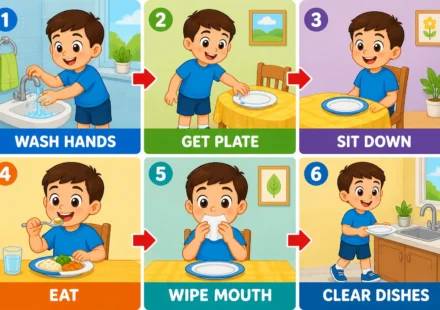
Mealtime Routine Visual Learning Set: 6 Steps to Help Your Child Build Independence
Teach your child to participate in mealtime with this 6-step visual routine: wash hands, get plate, sit down, eat, wipe mouth, and clear dishes. Build independence!

Integrating Agentic AI into Neuroscience Research: Guidelines and Considerations
Agentic AI is increasingly integrated into neuroscience research, prompting the need for clear policies and responsible practices to guide its use in labs.

Caregiver-Led Language Interventions Show Promise for Young Children at Risk of Developmental Language Disorder
A new systematic review finds that caregiver-led spoken language interventions can improve language development in children under five at risk of Developmental Language Disorder, supporting early, family-centered therapy approaches.