When Plans Suddenly Change: Helping Young Children Cope with Unexpected Changes

Unexpected changes in plans can be challenging for young children, especially for autistic children and those who need extra emotional support. When a familiar routine shifts suddenly, children may feel confused, upset, or overwhelmed. Understanding what your child might be experiencing and learning practical ways to support them can make these moments easier for everyone.
What Your Child May Be Experiencing
When plans suddenly change, children might feel a mix of emotions such as disappointment, frustration, anxiety, or sadness. These feelings are natural responses to uncertainty and the loss of predictability. For some children, especially those who rely on routine for comfort, changes can feel very unsettling.
Common Signs Adults May Notice
- Facial expressions showing confusion or distress
- Withdrawal or avoidance of the situation
- Increased vocalizations like crying, yelling, or repetitive questions
- Physical signs such as restlessness, fidgeting, or seeking comfort objects
- Resistance to transition or refusal to engage in the new activity
Possible Triggers for Difficulty with Changes
Triggers can vary but often include:
- Sudden cancellations of favorite activities
- Unexpected shifts in daily routines (e.g., meal times, bedtime)
- Changes in caregivers or environments
- Surprises without prior warning or preparation
Practical Support Strategies
Supporting your child through unexpected changes involves preparation, communication, and emotional support. Here are some effective strategies:
- Prepare in Advance When Possible: Use simple language and visuals to explain upcoming changes ahead of time. For example, “After lunch, we will go to the park instead of the library today.”
- Use Visual Supports: Visual schedules or picture cards can help children understand the new plan and what to expect next.
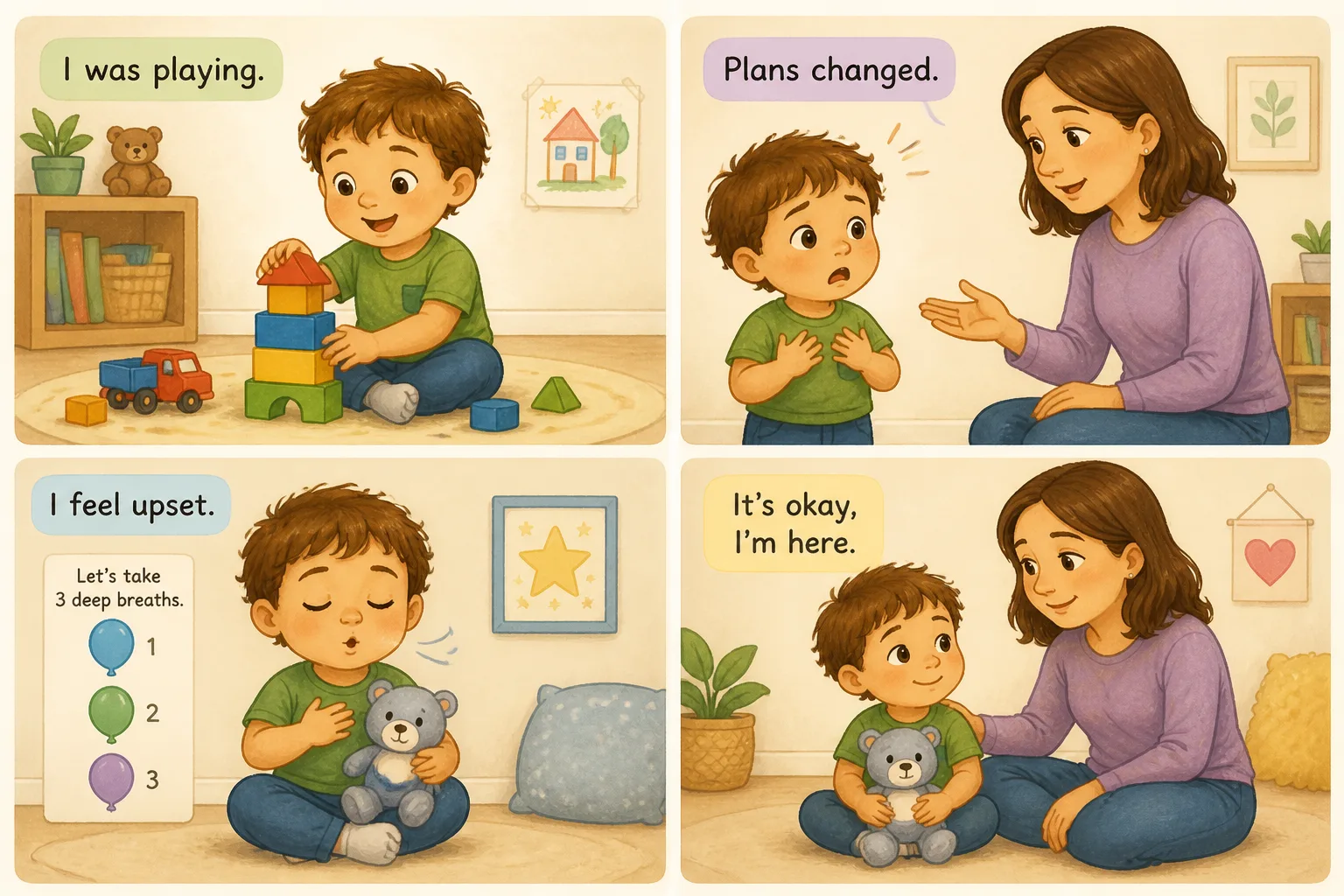
- Validate Feelings: Acknowledge your child’s emotions by saying things like, “I see you’re upset because our plan changed. That’s okay.” This helps children feel heard and understood.
- Offer Choices: Giving small choices can help your child feel some control, such as choosing which toy to bring along or deciding the order of activities.
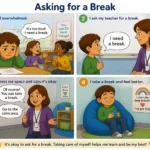
- Teach and Model Coping Skills: Encourage deep breathing, squeezing a soft toy, or moving to a quiet spot to help regulate emotions during the change.
- Stay Calm and Present: Your calm presence and gentle reassurance can help your child feel safe and supported.
Helpful Things Adults Can Say or Do
- “I’m here with you. We can figure this out together.”
- “It’s okay to feel upset. I’m listening.”
- “Would you like to take some deep breaths with me?”
- “Let’s find a quiet place if you need a break.”
- “We can try the new plan and see how it goes.”
How to Practice Skills During Calm Moments
Practice coping strategies and talking about changes when your child is calm. Role-play scenarios or read stories about unexpected changes to build familiarity. This can help your child feel more prepared and confident when changes happen.
What Adults Should Avoid Forcing
Avoid insisting your child immediately accept the change or suppress their feelings. Don’t pressure eye contact or verbal explanations if your child isn’t ready. Instead, offer space and support, letting them express their emotions in their own way and time.
Individual Differences
Every child is unique. Some may adapt quickly to changes, while others need more time and support. Observe your child’s cues and tailor your approach to their needs. Patience and understanding are key.
Key Takeaway
When plans suddenly change, children need compassionate support that respects their feelings and helps them navigate uncertainty safely. Through preparation, validation, calm presence, and teaching coping skills, adults can guide children toward resilience and emotional regulation.
How do you help your child when plans change unexpectedly? Share your experiences or questions below.
Download the images in this article