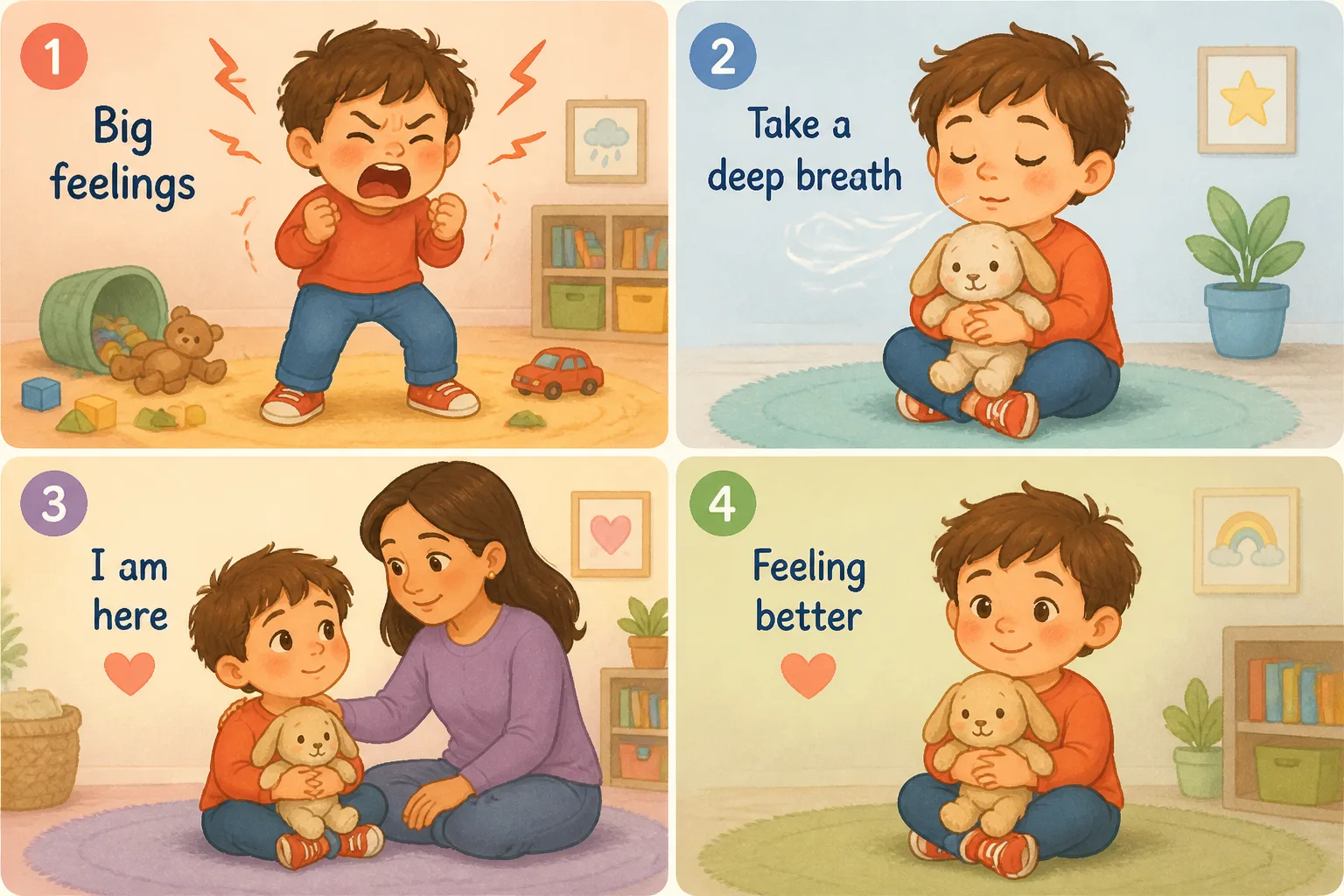

Introduction: Understanding Big Feelings
<pYoung children, including autistic children and those who need extra emotional support, often experience strong emotions that can feel overwhelming. These "big feelings" like anger, sadness, or frustration can be confusing and hard to manage. This article explains what big feelings are, why they might be hard for your child, and offers practical strategies to help your child recognize and manage these emotions in a supportive way.
What Are Big Feelings and Why Are They Hard?
Big feelings are intense emotions that can feel like a storm inside a child. For young children, especially those with sensory sensitivities or communication challenges, these feelings might be triggered by changes, misunderstandings, sensory overload, or unmet needs. The intensity can make it hard for children to calm down or explain how they feel.
Common Signs and Possible Triggers
Children may show big feelings through crying, yelling, withdrawing, or physical actions like stomping or covering their face. Triggers vary but often include:
- Unexpected changes in routine
- Difficulty expressing needs or feelings
- Loud noises or busy environments
- Feeling tired, hungry, or uncomfortable
Practical Support Strategies for Parents and Caregivers
Supporting your child through big feelings means helping them feel safe, understood, and guided. Try these strategies:
- Stay calm and present: Your calm presence helps your child feel safe. Use a gentle voice and open body language.
- Use simple, clear language: Label the feeling, e.g., “I see you feel angry,” to help your child connect words to emotions.
- Offer calming tools: Deep breathing, squeezing a soft toy, or a quiet corner with favorite items can help regulate emotions.
- Respect their need for space: Some children need a moment alone to process feelings. Let them know you are nearby when ready.
- Model coping strategies: Show your child how you take deep breaths or count to calm down.
Helpful Things Adults Can Say or Do
Words and actions matter. Here are examples of supportive communication:
- “It’s okay to feel upset. I’m here to help.”
- “Let’s take some deep breaths together.”
- “Can you show me what you need?”
- “Would you like to use your quiet space?”
Practicing Skills During Calm Moments
Teach emotional regulation when your child is calm. Practice deep breathing, recognizing emotions with picture cards, or using simple phrases like “I feel…” This builds skills before big feelings arise.
What Adults Should Avoid Forcing
Avoid demanding eye contact, forcing a child to talk before ready, or insisting they stop feeling a certain way. These can increase anxiety and reduce trust.
Individual Differences
Every child is unique. Some may need more time, sensory supports, or alternative communication methods like AAC devices or gestures. Tailor your approach to your child’s needs.
Key Takeaway
Recognizing and managing big feelings is a skill that takes time and gentle support. By staying calm, offering clear communication, and providing calming tools, you help your child feel safe and learn to handle strong emotions.
What calming strategy has your child responded to best when big feelings arise? Share your experience to help other parents!
Download the images in this article