
Skip to content
Love Beyond Words - autismwords.com Love Beyond Words - autismwords.com Love Beyond Words - autismwords.com

Supporting children with autism through education and care

Love Beyond Words - autismwords.com Love Beyond Words - autismwords.com Love Beyond Words - autismwords.com

Supporting children with autism through education and care

  • Learning & Support
    • Communication Skills
    • Daily Living Skills
    • Emotional Regulation
    • Everyday Challenges
    • Learning Through Play
    • Parent Education & Advocacy
    • Positive Behavior Support
    • Routines & Transitions
    • Social Skills
    • Speech & Language
  • Autism News & Perspectives
  • Learning & Support
    • Communication Skills
    • Daily Living Skills
    • Emotional Regulation
    • Everyday Challenges
    • Learning Through Play
    • Parent Education & Advocacy
    • Positive Behavior Support
    • Routines & Transitions
    • Social Skills
    • Speech & Language
  • Autism News & Perspectives
Close

Search

  • https://www.facebook.com/
  • https://twitter.com/
  • https://t.me/
  • https://www.instagram.com/
  • https://youtube.com/
Love Beyond Words - autismwords.com Love Beyond Words - autismwords.com Love Beyond Words - autismwords.com

Supporting children with autism through education and care

Love Beyond Words - autismwords.com Love Beyond Words - autismwords.com Love Beyond Words - autismwords.com

Supporting children with autism through education and care

  • Learning & Support
    • Communication Skills
    • Daily Living Skills
    • Emotional Regulation
    • Everyday Challenges
    • Learning Through Play
    • Parent Education & Advocacy
    • Positive Behavior Support
    • Routines & Transitions
    • Social Skills
    • Speech & Language
  • Autism News & Perspectives
  • Learning & Support
    • Communication Skills
    • Daily Living Skills
    • Emotional Regulation
    • Everyday Challenges
    • Learning Through Play
    • Parent Education & Advocacy
    • Positive Behavior Support
    • Routines & Transitions
    • Social Skills
    • Speech & Language
  • Autism News & Perspectives
Close

Search

  • https://www.facebook.com/
  • https://twitter.com/
  • https://t.me/
  • https://www.instagram.com/
  • https://youtube.com/
Home/Autism News & Perspectives/Key Insights from ASF at INSAR 2023 Highlight Diversity and Inclusion in Autism Research
Key Insights from ASF at INSAR 2023 Highlight Diversity and Inclusion in
Autism News & Perspectives

Key Insights from ASF at INSAR 2023 Highlight Diversity and Inclusion in Autism Research

August 23, 2026 3 Min Read
0

Autism Science Foundation Shares New Findings from INSAR 2023

The Autism Science Foundation (ASF) recently presented updates from the International Society for Autism Research (INSAR) 2023 conference, emphasizing the complexity and diversity of autism. These insights underscore the importance of inclusive research approaches and the need to better understand autism across different populations and life stages. For a detailed overview, see the original ASF report here.

Autism: A Spectrum of Experiences and Identities

A central theme at INSAR was the recognition that autism does not have a singular meaning. For some individuals, autism is an identity; for others, it is considered a condition or a disorder. Genetic, sociological, and demographic differences mean that each autistic person’s experience is unique. This diversity highlights the necessity of including autistic voices in scientific research to ensure studies reflect the broad spectrum of experiences.

Concerns were raised by some neurodiverse community members regarding genetic research, with fears that such studies might be used to eliminate autistic individuals. However, researchers clarified that genetic studies aim to improve diagnosis and treatment options. The largest genetic study to date has revealed biological complexities in autism, potentially guiding new diagnostic and therapeutic strategies.

ASF’s Chief Science Officer, Dr. Alycia Halladay, emphasized the importance of collaboration between scientists and the autism community, advocating for research conducted with sensitivity and without fear, to advance understanding and care.

Improving Research Accessibility for All Participants

INSAR highlighted challenges in including minimally verbal or intellectually disabled individuals in autism research. A dedicated panel discussed strategies to reduce barriers for families, such as adapting assessments to individual needs and developmental levels rather than chronological age.

Recommendations to enhance participation include:

  • Flexibility in testing protocols to accommodate sensory sensitivities and behavioral differences.
  • Conducting research in naturalistic settings comfortable for participants, even if this requires researchers to travel.
  • Personalizing approaches by gathering detailed information about participants’ preferences and needs beforehand.
  • Utilizing remote assessments via secure video platforms to increase accessibility and protect privacy.

Addressing Autism Across the Lifespan

Research on autism in adulthood and aging remains limited. Patricia Howlin from King’s College London shared findings from longitudinal studies tracking autistic individuals from childhood into later life. These studies reveal a wide range of outcomes and highlight the need for more comprehensive research to define quality of life for autistic adults and seniors.

Focus on Females with Autism

Girls and women with autism were identified as an underserved group requiring improved diagnostic methods and support. Studies presented at INSAR suggest that females may carry a higher burden of genetic variants associated with autism and that a “female protective effect” might explain lower diagnosis rates among females.

Research indicates females with autism are often diagnosed later and may have lower IQ scores. Two subgroups of females—those with early autistic traits that diminish over time and those diagnosed later in childhood—show differing language abilities and social challenges. Further investigation is needed to understand these patterns and their relation to the protective effect.

Engaging the Autistic Community in Research

INSAR discussions stressed the importance of involving autistic individuals in research design and communication. Using the example of the Spectrum10k project, which faced community backlash, researchers highlighted the need for transparent, trustworthy, and community-led approaches that respect diverse perspectives.

Key principles for inclusive research engagement include:

  • Transparency and balance in communication.
  • Leadership and priorities driven by autistic individuals and their communities.
  • Inclusion of diverse voices, with accommodations for accessibility.
  • Commitment to actionable outcomes beyond consultation.

Access to INSAR 2023 Content

INSAR plenary session videos will be available on-demand from June 5 through July 10 for INSAR members. Membership reopens on June 1, offering free access to this content.

Conclusion

The 2023 INSAR conference, as reported by the Autism Science Foundation, reinforced that autism is a complex, multifaceted spectrum requiring nuanced research approaches. Inclusion of autistic voices, attention to diverse populations including females and aging individuals, and flexible, accessible research methods are crucial for advancing understanding and improving support for the autism community.

Source: Autism Updates: ASF Goes to INSAR

Download the images in this article

  • Key Insights from ASF at INSAR 2023 Highlight Diversity and Inclusion in

Tags:

autism agingautism in femalesautism research updatesAutism Science Foundationgenetics and autisminclusive autism researchINSAR 2023neurodiversity
Other Articles
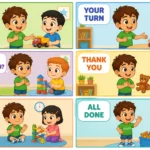
Taking Turns: 6 Essential Communication Phrases for Young Children
Previous

Taking Turns: 6 Essential Communication Phrases for Young Children

Study Finds Artichoke Extract May Improve Autism-Like Behaviors in Rat Models Exposed
Next

Study Finds Artichoke Extract May Improve Autism-Like Behaviors in Rat Models Exposed to Prenatal Immune Challenges

No Comment! Be the first one.

Leave a Reply Cancel reply

Your email address will not be published. Required fields are marked *

AAC asking for a break asking for help autism education autism parenting autism research Autism Science Foundation autism spectrum disorder autism support child development child independence children's feelings child transitions communication communication phrases communication skills coping strategies daily living skills emotional regulation everyday challenges fine motor skills Functional Communication Gross Motor Skills hygiene routine IEP support language development learning through play parent advocacy parenting tips parent preparation positive behavior support predictable routines problem solving replacement skills school accommodations school support self-advocacy sensory breaks sensory support speech and language visual learning visual learning set visual routine visual supports young children

  • Teaching WH Questions: 6 Simple Examples for Young Children
    Teaching WH Questions: 6 Simple Examples for Young Children
    Learn how to teach young children important WH questions like who, what, where, when, why, and how with 6 simple visual examples and practical tips for parents.
  • Advancing Sleep Care in Children with Neurodevelopmental Disorders Through Phenotype-Focused Approaches
    Advancing Sleep Care in Children with Neurodevelopmental Disorders Through Phenotype-Focused Approaches
    Sleep disturbances are common in children with neurodevelopmental disorders, but diagnosis alone offers limited treatment guidance. A phenotype-focused approach may improve care.
  • Study Reveals Varied Preferences for Autism Terminology Among Autistic Individuals and Parents
    Study Reveals Varied Preferences for Autism Terminology Among Autistic Individuals and Parents in the U.S.
    A U.S. study of over 5,000 participants reveals diverse preferences for autism-related terminology, highlighting the importance of respectful, individualized language use.
  • Virtual Caregiver-Led Autism Intervention Adapted for Spanish-Speaking Families Shows Promise
    Virtual Caregiver-Led Autism Intervention Adapted for Spanish-Speaking Families Shows Promise
    A newly adapted virtual caregiver-led intervention shows potential in supporting Spanish-speaking families of children with autism by incorporating cultural and linguistic considerations.
  • Handling Disagreement: 6 Clear Steps to Support Your Child's Social Skills
    Handling Disagreement: 6 Clear Steps to Support Your Child’s Social Skills
    Teach your child 6 clear steps to handle disagreement calmly and respectfully: notice the problem, pause, say what happened, ask for space or help, choose a solution, and return when ready.
Advancing Sleep Care in Children with Neurodevelopmental Disorders Through Phenotype-Focused Approaches
August 25, 2026
Study Reveals Varied Preferences for Autism Terminology Among Autistic Individuals and Parents
Study Reveals Varied Preferences for Autism Terminology Among Autistic Individuals and Parents in the U.S.
August 25, 2026
Virtual Caregiver-Led Autism Intervention Adapted for Spanish-Speaking Families Shows Promise
August 25, 2026
Pediatric Primary Care Network Integrates Autism Spectrum Disorder Evaluation and Support Services
August 25, 2026
Expressing Discomfort and Asking for Help: 6 Essential Communication Phrases for Young
Expressing Discomfort and Asking for Help: 6 Essential Communication Phrases for Young Children
47 views
Preparing for Loud Events: 6 Sensory Support Steps for Children
47 views
Preparing for an IEP Meeting: 6 Essential Parent Steps for Success
37 views
Using a Calm Voice: 5 Positive Steps for Young Children
34 views
Color Sorting Treasure Hunt: A Fun Learning Through Play Activity
34 views

Content on this website is created with the assistance of artificial intelligence (AI), while some portions are still reviewed and overseen by humans. All content and resources are provided completely free of charge.

Some information may be referenced or cited from reputable sources. Whenever possible, we will clearly identify the sources used within each article.

If you have any questions, feedback, or would like to contact us, please email: info@autismwords.com

Copyright 2026 — Love Beyond Words - autismwords.com. All rights reserved. Blogsy WordPress Theme

Join Us on the Journey to Understanding Autism

Subscribe to receive curated autism knowledge, lessons, and the latest news — delivered to you regularly.

We promise to send only helpful autism-related information and knowledge — no ads, no spam. You can unsubscribe anytime.

Thank you for subscribing!