Study Finds Artichoke Extract May Improve Autism-Like Behaviors in Rat Models Exposed to Prenatal Immune Challenges

Research Overview
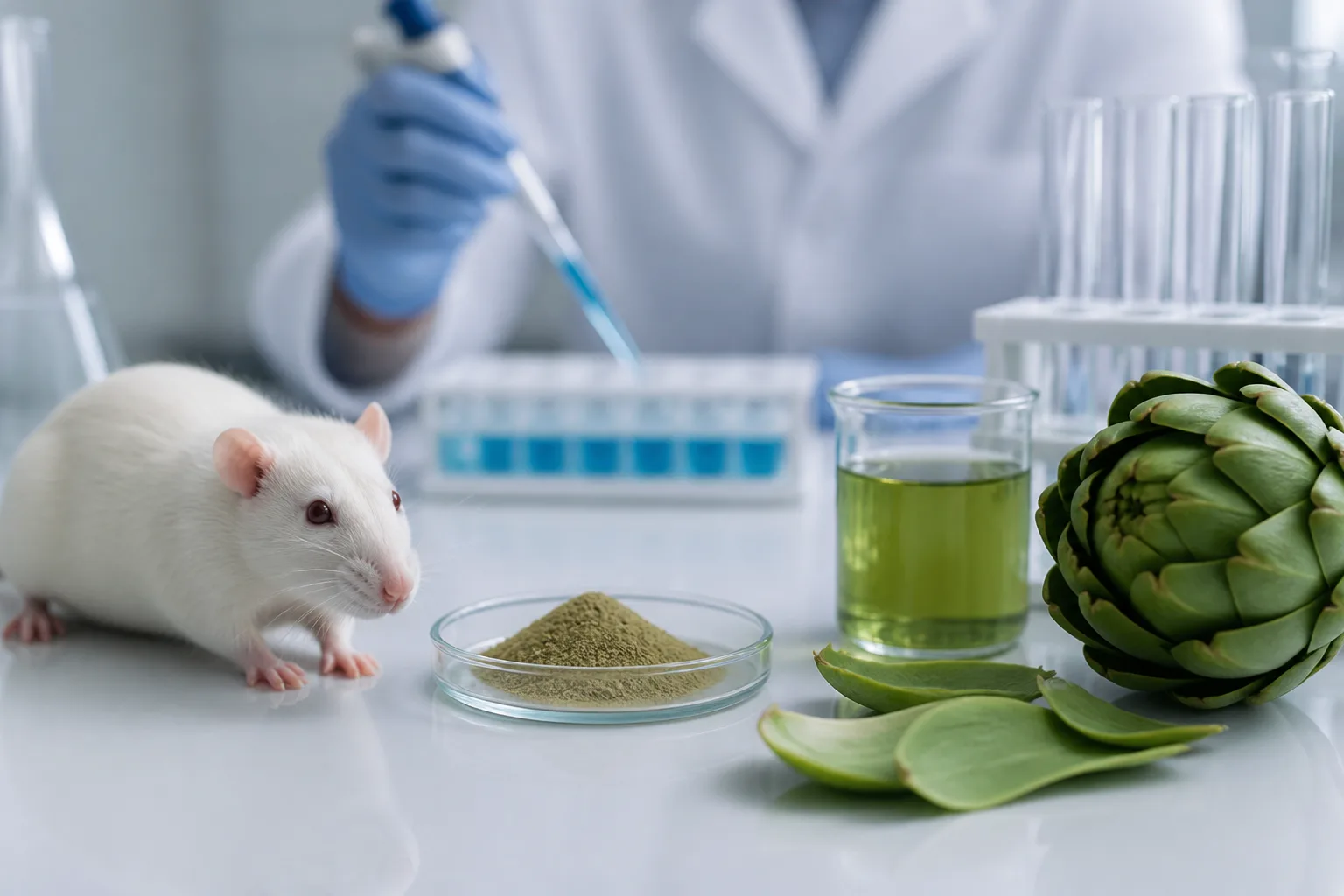
A recent experimental study compared the effects of maternal immune activation (MIA) and prenatal exposure to valproic acid (VPA) on autism-like behaviors in rats. The investigation also explored whether a polyphenol-rich extract from artichoke leaves, used as a prebiotic, alone or combined with probiotics and omega-3 fatty acids, could alleviate behavioral impairments associated with these prenatal exposures.
Study Design and Methods
Researchers used Wistar albino rats exposed prenatally to either lipopolysaccharide (LPS), which induces maternal immune activation, or valproic acid, a known agent that can cause autism-like features in rodents. Male offspring were then treated starting at 7 days old with different combinations of artichoke extract (AR), probiotics (Pro), and omega-3 (ω3) supplements depending on their group assignment.
The study included nine groups, such as controls, rats exposed only to VPA or LPS, and various groups receiving postnatal treatments with AR alone or combined with Pro and ω3. Some groups also received AR during gestation as a protective intervention.
Key Findings
Both prenatal LPS and VPA exposure resulted in significant impairments in social behavior and increased stereotypic-like behaviors in rats, which are consistent with autism spectrum disorder (ASD) characteristics. Importantly, administration of artichoke extract, either before or after birth, showed a notable improvement in these behavioral deficits.
Furthermore, combinations of artichoke extract with probiotics and omega-3 fatty acids appeared to enhance the beneficial effects, suggesting a potential synergistic role in mitigating ASD-like symptoms in these animal models.
Implications for Families and Future Research
These findings highlight the potential of dietary interventions involving prebiotics, probiotics, and omega-3 supplements to support neurobehavioral development affected by prenatal immune challenges or chemical exposures. While promising, these results are preliminary and based on animal models, so direct application to human health requires further investigation.
Limitations and Considerations
It is important to note that the study was conducted in rats, and autism spectrum disorder is a complex condition influenced by numerous genetic and environmental factors. The improvements observed with artichoke extract and supplements indicate associations rather than definitive cures or prevention strategies. More research is needed to understand the mechanisms involved and to assess safety and efficacy in humans.
For more detailed information, see the original study published in Translational Neuroscience: https://pubmed.ncbi.nlm.nih.gov/42633072/.
Download the images in this article