
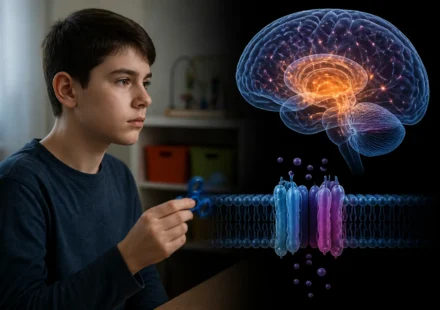
New KCNA1 Gene Variant Linked to Autism Spectrum Disorder and Tremor Shows Complex Effects on Brain Ion Channels

A newly identified KCNA1 gene variant in a teenager with autism and tremor shows both loss- and gain-of-function effects on brain potassium channels, expanding the known clinical spectrum of KCNA1-related disorders.
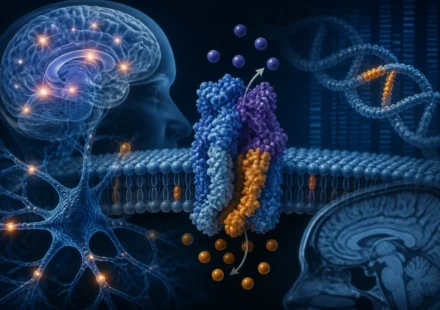
Genetic Variants in Na+,K+-ATPase Linked to Diverse Neurological Disorders: A Comprehensive Review

A systematic review has identified 123 genetic variants in Na+,K+-ATPase subunits linked to a range of neurological disorders, including epilepsy, migraines, and neurodevelopmental conditions.
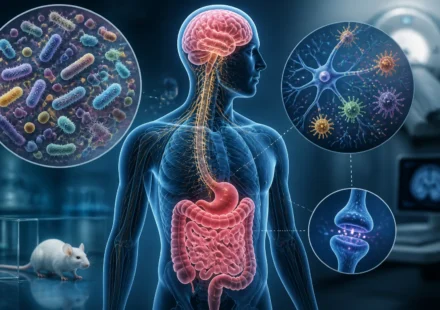
Exploring the Microbiota-Gut-Brain Axis: Insights from a New Special Issue

A new Special Issue explores how gut microbes influence brain chemistry, development, and neurological disorders, highlighting key mechanisms and future research directions.
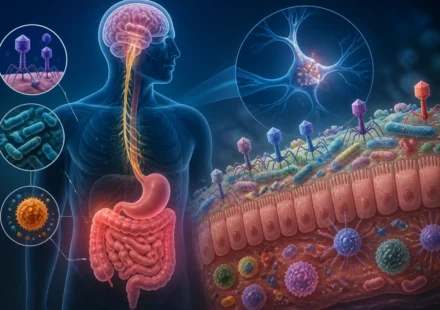
Emerging Role of Gut Virome in Microbiota-Gut-Brain Axis and Neuroimmune Balance

Research indicates that viruses in the gut, including bacteriophages and eukaryotic viruses, may influence brain-immune communication and neurological health through the microbiota-gut-brain axis.
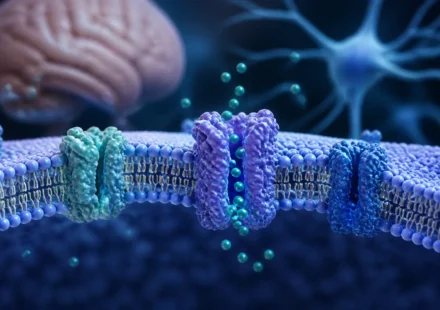
Solute Carrier Transporters Gain Attention as Potential Targets for CNS Disorder Treatments

New research highlights solute carrier (SLC) membrane transporters as promising targets for treating central nervous system disorders such as epilepsy, neurodegeneration, and autism spectrum disorders.

Heavy Metals and Environmental Factors Linked to Neurological Disorders Across Lifespan

New research highlights how environmental exposures, including heavy metals, may influence neurodevelopmental and neurodegenerative disorders by disrupting brain processes across the lifespan.