
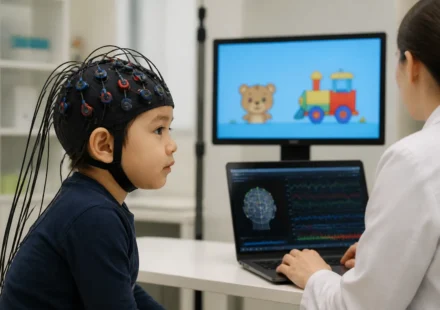
Exploratory Study Uses fNIRS and Machine Learning to Differentiate Autism in Young Children

A study explored using functional near-infrared spectroscopy (fNIRS) with machine learning to classify autism in children aged 2-6, finding modest accuracy and no significant diagnostic advantage beyond age and sex.
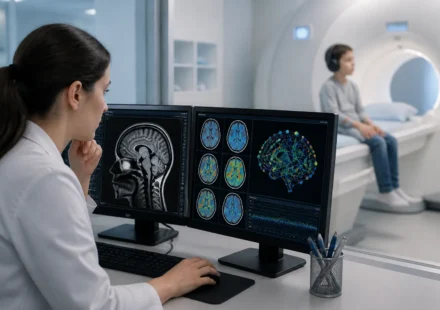
New Deep Learning Framework Enhances Autism Spectrum Disorder Detection Using Brain MRI

A new deep learning framework using advanced MRI image analysis shows promise in improving early detection of Autism Spectrum Disorder, potentially aiding clinical diagnosis.

Study Links Adverse Childhood Experiences to Autism Spectrum Disorder Identification in Late Adolescents

A study of Israeli military conscripts found that adverse childhood experiences were linked to increased identification of autism spectrum disorder during service, suggesting early adversity may influence late ASD diagnosis.
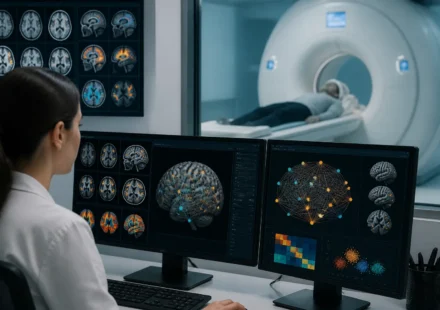
Study Compares Synolitic Graphs and Traditional Methods for Autism Classification Using Resting-State fMRI

A new study compared synolitic graphs with traditional connectivity methods for classifying autism from resting-state fMRI data, finding conventional approaches more accurate.
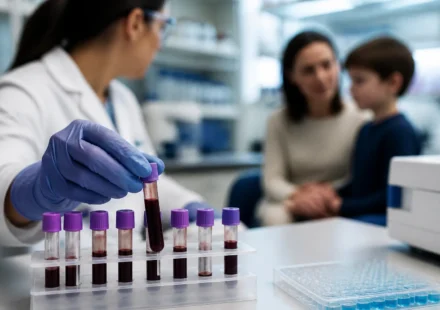
Blood-Based Metabolic Testing Shows Promise in Supporting Autism Spectrum Disorder Diagnosis

A recent clinical trial found that blood metabolites related to folate metabolism, analyzed with AI, may support Autism Spectrum Disorder diagnosis with over 80% accuracy in young children.

New Eye Gaze Shift Task Shows Promise in Autism Assessment: Pilot Study Findings
A new pilot study finds the Eye Gaze Shift Task (EGST) may be a feasible and accurate tool to assess eye gaze behavior in children with autism, showing strong diagnostic potential alongside existing methods.