

Study Finds Social Stimuli Alone Can Boost Joint Attention in Children with Autism

A recent study shows that contingent social stimuli alone, such as smiles and praise, can increase joint attention behaviors in children with autism, offering a practical intervention approach.

Supporting Autistic Doctors in Early Medical Careers: New Framework Proposed

A new study highlights the challenges autistic doctors face transitioning from medical school to clinical training and proposes the SUPPORT framework to enhance inclusion and well-being.

Sylvia Fogel Leads New Directions in U.S. Autism Research Strategy

Sylvia Fogel, chair of the federal Interagency Autism Coordinating Committee, is guiding new research priorities in U.S. autism studies, focusing on vaccines, regression, and neuroimmune factors.
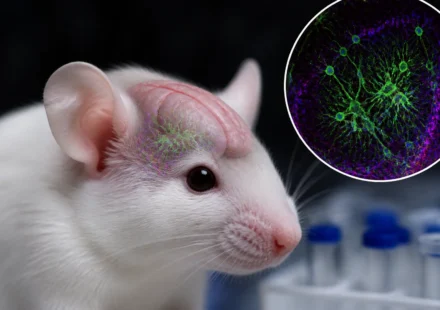
Human Brain Organoids Thrive in Mouse Cortex, Offering New Insights into Brain Development

Human brain organoids transplanted into mouse cortex show promising growth, offering new avenues to study brain development and disorders like autism.

Ritualistic Behaviors in Autistic Children May Signal Later Internalizing Challenges, Study Finds

A longitudinal study suggests that ritualistic behaviors in autistic children may predict later internalizing symptoms like anxiety, highlighting the importance of early monitoring.
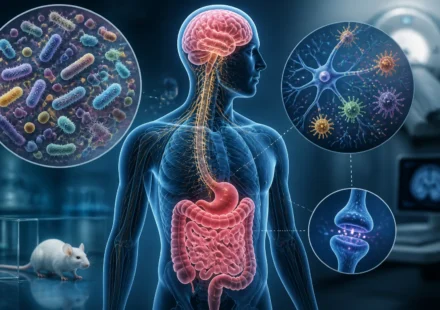
Exploring the Microbiota-Gut-Brain Axis: Insights from a New Special Issue
A new Special Issue explores how gut microbes influence brain chemistry, development, and neurological disorders, highlighting key mechanisms and future research directions.

Challenges and Strategies in Managing Type 1 Diabetes Among Neurodiverse Children and Adolescents

A study exploring how neurodiverse children and young people manage Type 1 diabetes reveals unique challenges and the important role of family support and diabetes technologies.

Study Finds No Clear Link Between Prenatal Sedative-Hypnotic Use and ADHD or ASD in Children

A Taiwanese nationwide study found no significant increase in ADHD or ASD risk among children prenatally exposed to sedative-hypnotics after adjusting for maternal psychiatric conditions.
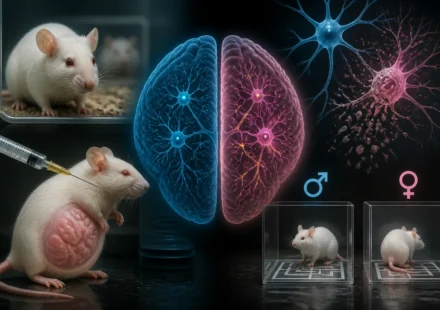
Study Finds Sex Differences in Brain Cell Death Linked to Autism-Like Behaviors After Prenatal Valproic Acid Exposure

New research shows prenatal valproic acid exposure may cause sex-specific ferroptosis-related brain changes linked to autism-like behaviors in mice, especially affecting males.

New Data Indicate Diagnostic Changes Drive Rise in Autism Diagnoses

New analyses suggest that rising autism diagnoses are largely due to changes in diagnostic practices rather than an actual increase in autism prevalence.