
Gene Activation Linked to Nuclear Location in Developing Brain
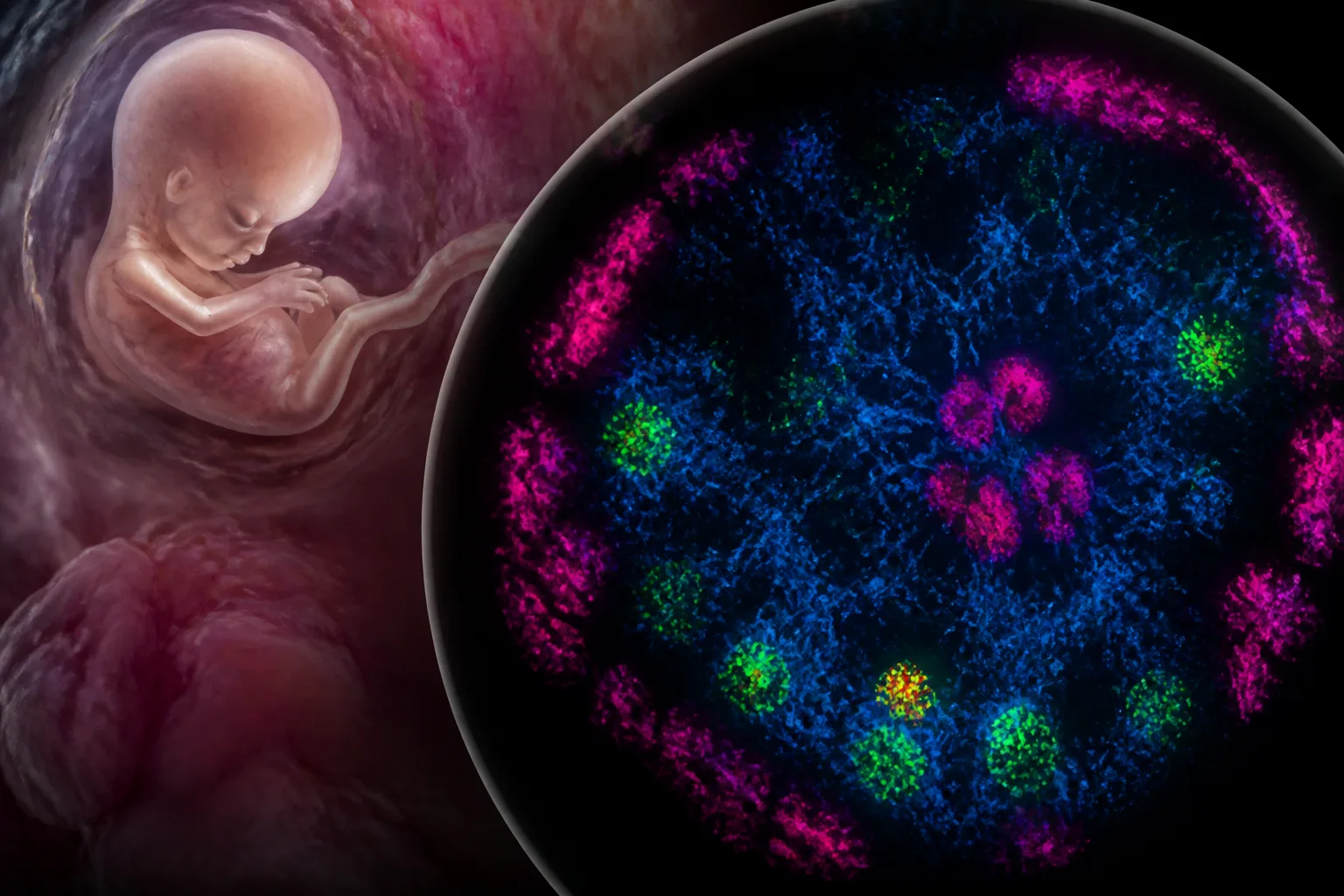
Recent research examining human brain tissue during development indicates that the spatial positioning of genes within the cell nucleus may influence their activity levels. Specifically, genes appear to become more active when they relocate from the periphery of the nucleus toward internal regions rich in proteins responsible for RNA synthesis and processing.
Key Findings from the Study
The study observed that during brain development, certain genes shift their position inside the nucleus. This movement correlates with an increase in gene expression, suggesting that nuclear architecture plays a role in regulating which genes are turned on or off at critical stages.
Proteins involved in RNA production and processing are concentrated in specific nuclear compartments. When genes move closer to these areas, their transcriptional activity tends to increase, supporting the idea that physical proximity within the nucleus can affect gene regulation.
Context and Implications for Brain Development
Understanding how gene activity is controlled during brain development is essential for grasping how complex neural structures form. The findings highlight the importance of nuclear organization as a layer of gene regulation, beyond the genetic code itself.
For families and individuals, this research may eventually contribute to better insights into developmental brain disorders, though the current findings are preliminary and primarily enhance foundational knowledge.
Limitations and Considerations
While the study sheds light on the relationship between nuclear positioning and gene activity, it does not establish direct causation. Further research is necessary to determine how these spatial changes impact brain function and development over time.
Additionally, the observations are based on tissue samples and may not fully capture dynamic processes occurring in living brains.
For more detailed information, see the original study at The Transmitter.
Download the images in this article