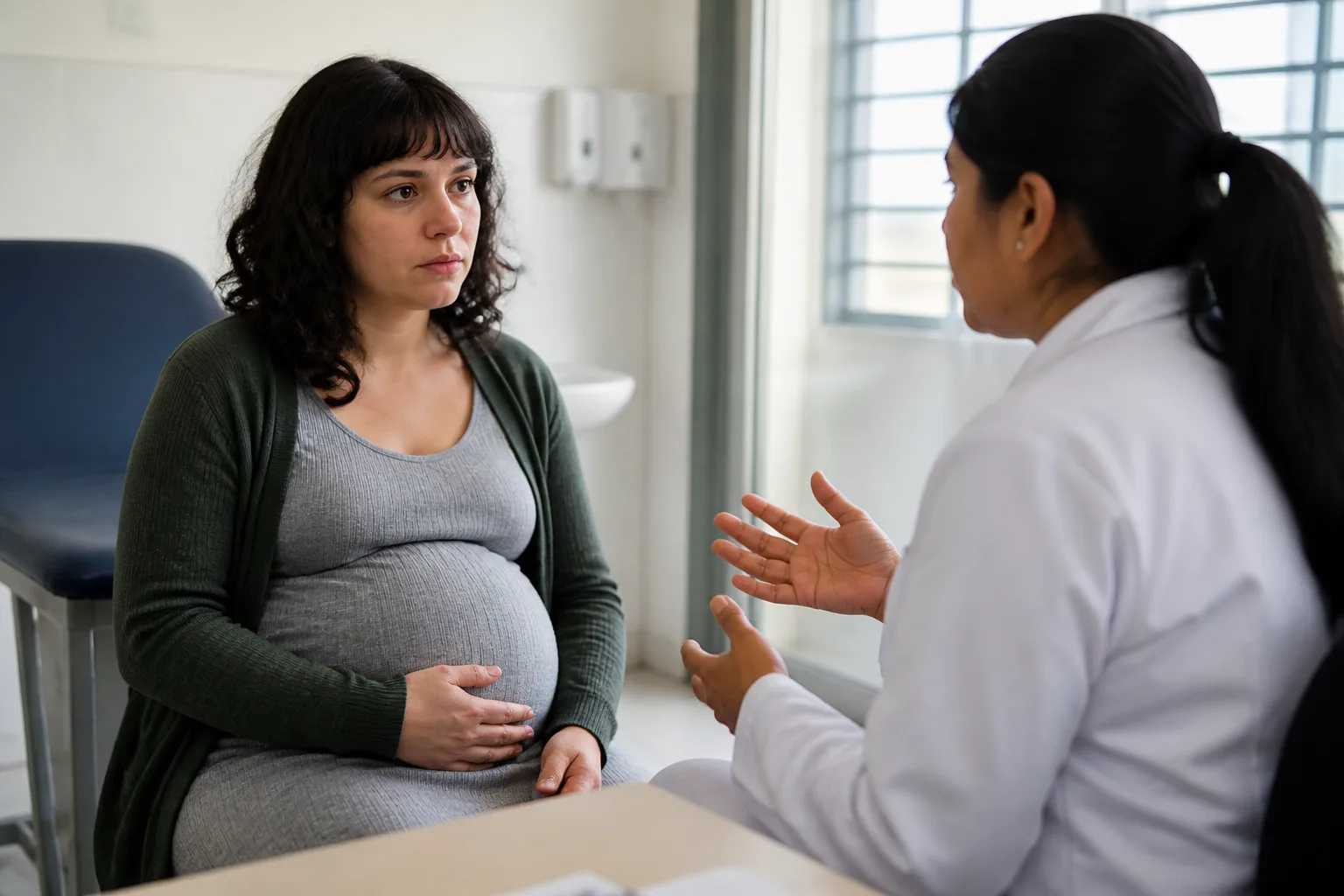
Study Highlights Communication Challenges for Autistic Women in Brazilian Perinatal Care

Communication Barriers Impact Perinatal Care for Autistic Women
A recent qualitative study conducted in Brazil has shed light on the communication difficulties autistic women face during pregnancy, childbirth, and postpartum care. These challenges contribute to increased obstetric and perinatal risks among this population, emphasizing the need for improved healthcare communication strategies.
Research Approach and Participants
The study involved 34 autistic women with varying support needs, including three non-speaking participants with complex communication requirements. Researchers used the Hermeneutic-Dialectic Circle (HDC) method to analyze semi-structured interviews conducted through multiple accessible formats such as video calls, real-time messaging, in-person meetings, and augmentative and alternative communication tools.
Key Findings: Three Central Themes
- Unrecognized Communication Needs: Participants reported challenges related to alexithymia (difficulty identifying and expressing emotions), sensory hypersensitivity, and a strong need for predictability. These communication demands often went unacknowledged by healthcare providers.
- Institutional and Interpersonal Communication Failures: Women experienced invalidation of their symptoms, disrespectful treatment, and exclusion, particularly among non-speaking individuals, highlighting systemic shortcomings rather than isolated incidents.
- Positive Experiences with Adapted Communication: When healthcare professionals employed tailored communication strategies, participants felt safer and more autonomous, demonstrating the benefits of respectful and effective interactions.
Implications for Healthcare
The study suggests that communication barriers in perinatal care for autistic women are systemic and require comprehensive interventions. Training healthcare workers to recognize and accommodate autistic communication styles and implementing accessible communication methods could enhance safety, respect, and inclusivity in maternity care settings.
Considerations and Limitations
While the findings provide valuable insights, they are based on a specific population within Brazil and may not generalize globally. Additionally, the qualitative nature of the study reflects personal experiences rather than establishing causal relationships.
For more detailed information, the original study can be accessed here.
Download the images in this article