
Research Highlights Differences in Pain Processing Among Autistic Adults
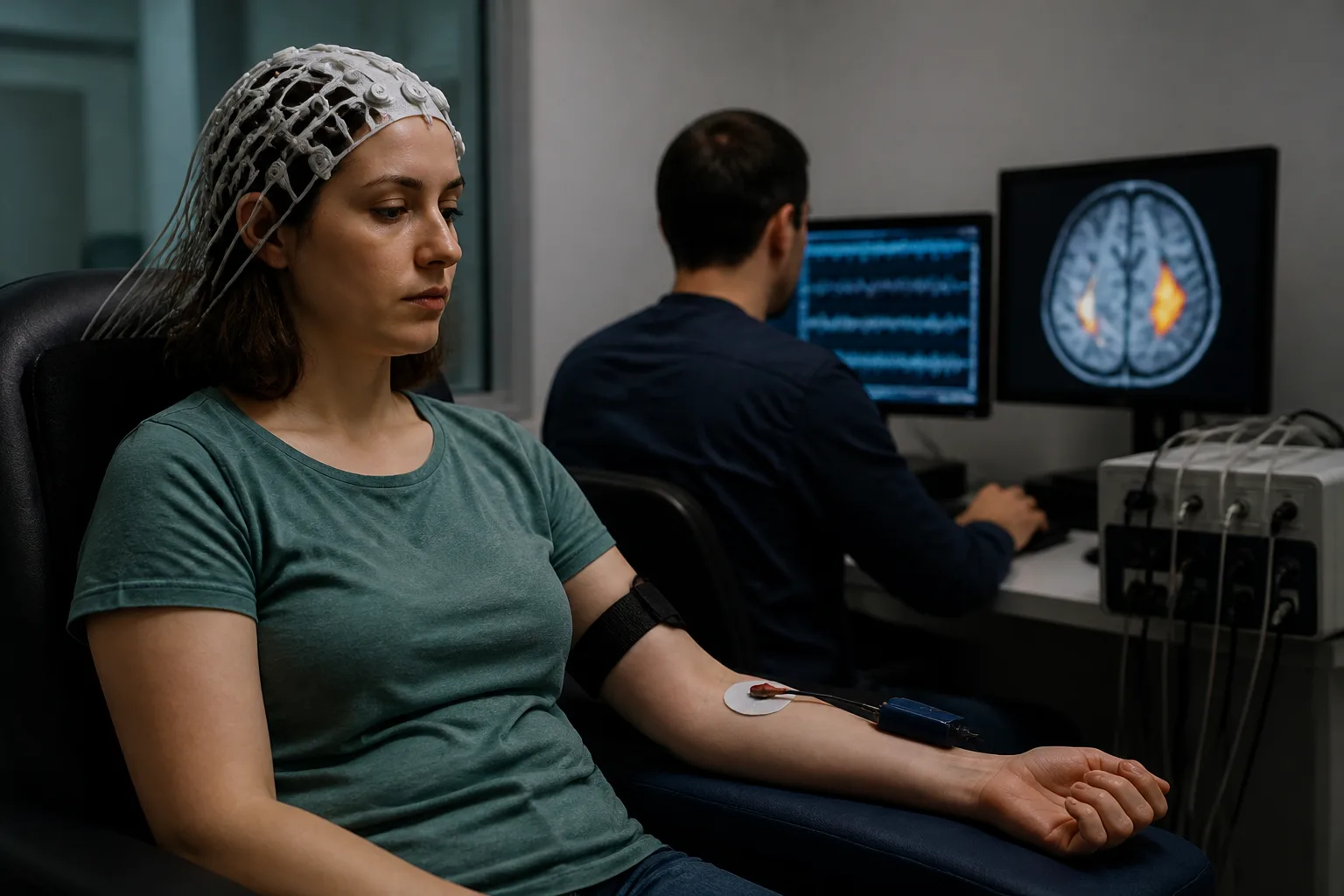
A recent study investigated how adults with autism spectrum disorder (ASD) perceive and process pain, revealing notable differences linked to sex. The research focused on the relationship between subjective pain reports and brain activity responses to painful heat stimuli, highlighting distinct patterns especially in autistic females.
Study Design and Participants
The cross-sectional study included 50 adults diagnosed with Level 1 ASD and 52 typically developing controls (TDC), matched for age, sex, and IQ. Participants were exposed to brief heat stimuli at 52°C, during which their pain ratings and cortical responses were recorded. The brain activity was measured using contact heat-evoked potentials (CHEPs), focusing on the N2 amplitude, a component associated with pain processing.
Key Findings on Pain Sensitivity and Brain Responses
Autistic participants reported higher pain intensity compared to controls. However, their cortical responses, particularly the N2 amplitude, were lower overall, indicating a possible disconnect between how pain is felt and how the brain processes it. This effect was especially pronounced in autistic females, who exhibited the lowest N2 amplitudes among all groups.
Interestingly, in females across both groups, higher N2 amplitudes correlated with higher reported pain, suggesting a link between brain response and pain perception. This correlation was strong in typically developing females but weaker and not statistically significant in autistic females. In contrast, males did not show a significant relationship between N2 amplitude and pain ratings.
Autistic Traits and Attention to Detail
Across all participants, higher N2 amplitudes were associated with greater attention-to-detail traits, a characteristic often observed in autism. This suggests that individual differences in sensory processing and attentional focus may influence how pain is experienced and processed neurologically.
Implications for Understanding Pain in Autism
The findings suggest that autistic individuals, particularly females, may process pain differently at the cortical level, possibly due to variations in salience detection or attentional mechanisms. This challenges the assumption that pain-evoked brain potentials serve as universally objective markers of pain intensity. Recognizing sex differences and autistic traits is important for accurately interpreting pain responses and could inform more personalized approaches to pain management in autism.
Limitations and Future Directions
While the study provides valuable insights, it focused on adults with Level 1 ASD and used a specific type of heat stimulus. Further research is needed to explore these findings in broader autism populations and with different pain modalities. Additionally, understanding how these neural differences translate to everyday pain experiences remains an important area for future investigation.
For more detailed information, see the original study published in the European Journal of Pain: How the Brain Interprets Pain in Autistic People: Does Sex Matter?.
Download the images in this article