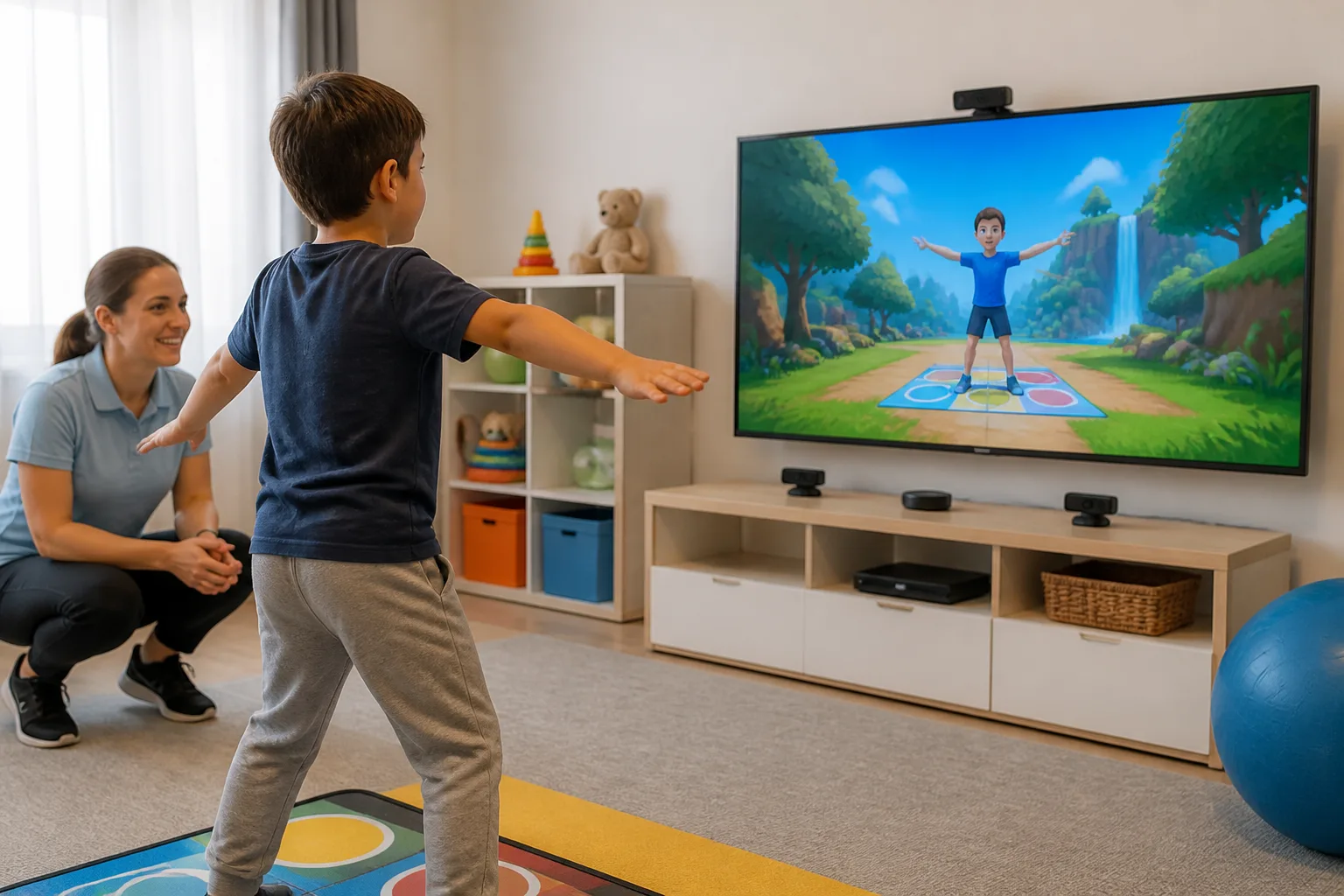
Exergaming Shows Promise for Children and Adolescents with Autism Spectrum Disorder: A Scoping Review

Overview of Exergaming as an Intervention for Autism Spectrum Disorder
Exergaming, which combines physical activity with interactive video gaming technologies such as motion sensing and virtual reality, has gained attention as a potentially safe and cost-effective tool to support children and adolescents with autism spectrum disorder (ASD). A recent scoping review analyzed the current evidence on how exergaming affects various health outcomes in this population.
Key Findings from the Review
The review, conducted according to PRISMA-ScR guidelines, included 28 experimental studies published between 2010 and 2025, involving 789 participants across 12 countries. Researchers examined intervention protocols and their effectiveness through the lens of the International Classification of Functioning, Disability and Health for Children and Youth (ICF-CY).
Results indicated that exergaming interventions were diverse and tailored to individual needs, with many showing improvements across multiple health indicators. Notably, even total intervention durations under four hours were associated with beneficial effects. Among different types of exergames, sports simulation games appeared to be the most effective.
Health Outcomes Categorized by ICF-CY
- Body Functions: 52 outcome indicators focused on aspects such as motor skills, coordination, and physical fitness.
- Activities and Participation: 18 indicators related to engagement in daily activities and social participation.
- Environmental Factors: 7 indicators considered the role of surroundings and support systems.
Implications for Families and Practitioners
These findings suggest that exergaming may serve as an effective non-pharmacological approach to support children and adolescents with ASD, potentially enhancing physical, social, and functional abilities. The adaptability and interactive nature of exergames could make them appealing and accessible tools for therapy and rehabilitation.
Considerations and Future Directions
While promising, the evidence base remains varied, and the review highlights the need for further research to clarify the optimal “dose” of exergaming — that is, how the frequency and duration of sessions relate to outcomes. More rigorous studies could help establish standardized protocols and better understand long-term effects.
Families and clinicians interested in incorporating exergaming into care plans should consider individual preferences, abilities, and the specific types of games used, as these factors may influence effectiveness.
For more detailed information, see the original review at PubMed.
Download the images in this article