Study Reveals Oral Health Challenges for Children with Autism in Almaty, Kazakhstan

Oral Health Status Among Children with Autism Spectrum Disorder in Kazakhstan
A recent pilot study conducted in Almaty, Kazakhstan, has highlighted significant oral health concerns among children diagnosed with autism spectrum disorder (ASD). The research, which involved clinical examinations and caregiver surveys, sheds light on the oral hygiene practices, dental care experiences, and challenges faced by these children and their families.
Key Findings from the Study
The study included 53 children aged 3 to 18 years with confirmed ASD diagnoses, recruited from the “Autism Pobedim” rehabilitation center. Clinical assessments measured dental caries using DMFT/dmft and CAST indices, while oral hygiene was evaluated with the OHI-S index. Caregivers completed a detailed questionnaire covering home oral hygiene routines, dental visits, and developmental characteristics.
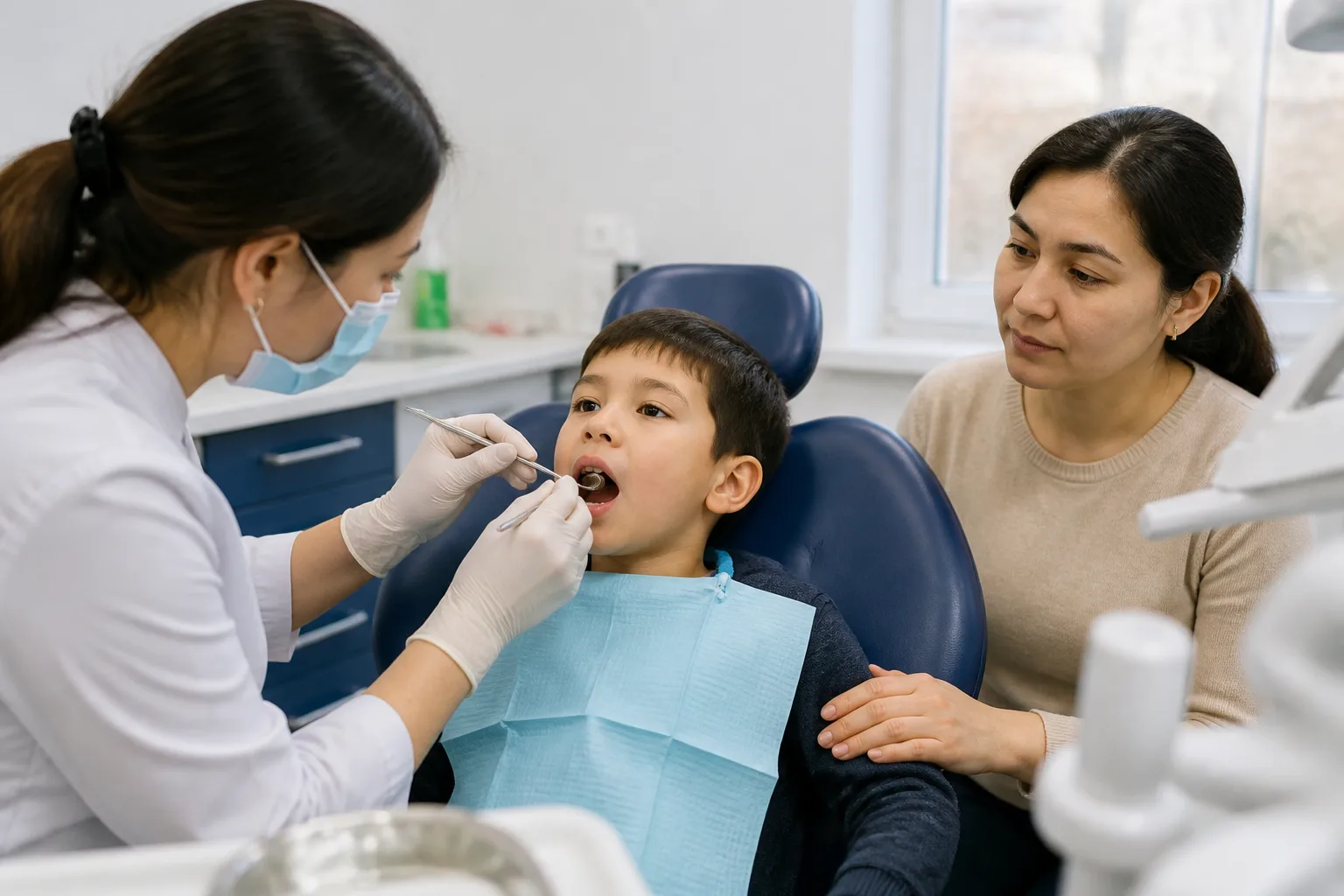
Results showed that only about one-quarter (24.5%) of the children brushed their teeth twice daily, and most required parental help to do so. Nearly one-third (30.2%) had never visited a dentist, and a majority of caregivers (58.5%) reported significant difficulties during dental appointments. Management strategies reported by caregivers during dental visits included physical restraint, sedation, and general anesthesia.
Furthermore, less than 40% (39.6%) of the children had completed dental treatment. Dietary habits also raised concerns, with 71.7% consuming sweets between meals and only 17% rinsing their mouths after eating. While three-quarters of caregivers (75.5%) checked toothpaste ingredients, professional guidance on oral hygiene for these children appeared limited.
Context and Implications for Families
This study underscores the considerable oral health burden among children with ASD in Kazakhstan, characterized by high rates of dental caries and challenges in maintaining effective oral hygiene. The reliance on caregiver assistance for toothbrushing and difficulties during dental visits point to the need for tailored support and education.
Families of children with ASD may benefit from specialized preventive strategies and behavior support to improve oral care routines and reduce dental anxiety. Enhanced professional guidance could also empower caregivers to better manage their children’s oral health needs.
Study Limitations and Future Directions
As a single-center pilot study with a relatively small sample size, these findings are exploratory and may not represent all children with ASD in Kazakhstan. The authors recommend larger, multicenter studies to confirm these results and to develop effective, culturally appropriate interventions.
Overall, this research highlights the importance of addressing oral health disparities in children with ASD and the critical role of caregiver education and tailored dental care approaches.
For more detailed information, the original study can be accessed here.
Download the images in this article