Study Finds Autism-Linked Genetic Variants Cluster into Two Molecular Patterns in Mouse Brains

Research Highlights Two Key Molecular States in Autism Mouse Models
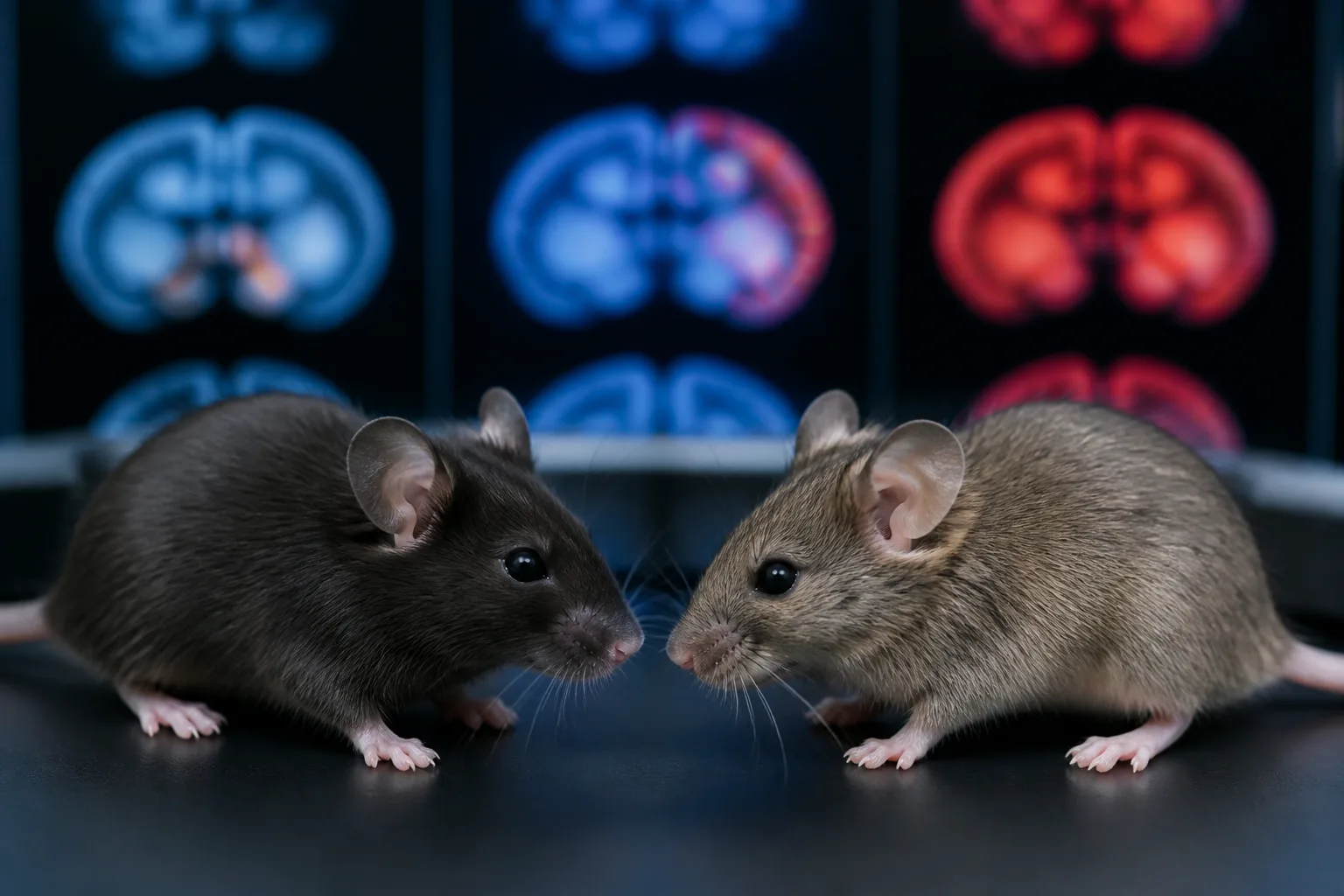
A recent study analyzing gene expression in 17 different mouse models associated with autism spectrum disorder (ASD) has identified that these diverse genetic variants tend to group into two distinct and opposing transcriptomic states. This finding suggests that despite the wide range of genetic changes linked to autism, they may converge on a limited number of biological pathways within the brain.
Key Findings from the Study
Researchers examined gene activity patterns across multiple mouse models that carry different autism-related genetic variants. They observed that the transcriptomes—the complete set of RNA transcripts produced by the genome—fell into one of two contrasting molecular states. This convergence implies that various genetic mutations implicated in autism may impact brain function through shared molecular mechanisms.
Implications for Understanding Autism Biology
Autism is known for its genetic complexity, with numerous variants contributing to the condition in different individuals. The discovery that these variants may funnel into two main molecular patterns provides a clearer framework for understanding the biological basis of autism. It may guide future research toward targeting these common pathways, potentially aiding in the development of more effective interventions.
Considerations for Families and Researchers
While this research offers promising insights, it is important to recognize that these findings are based on mouse models and gene expression analyses. Translating these molecular patterns to human autism requires further investigation. Families should view these results as part of ongoing scientific efforts to unravel autism’s complexity rather than definitive explanations or immediate clinical applications.
Study Limitations and Future Directions
The study’s reliance on animal models means that the molecular patterns identified may not fully capture the diversity of autism in humans. Additionally, the functional consequences of these transcriptomic states on behavior and development remain to be clarified. Ongoing research is needed to explore how these molecular signatures relate to clinical features and whether they can inform personalized approaches to support autistic individuals.
For more detailed information, see the original research report at The Transmitter.
Download the images in this article