Unraveling the Neural and Genetic Basis of Mate Choice in Heliconius Butterflies

Insights into Butterfly Mate Selection
Researchers studying Heliconius butterflies have made progress in understanding how these insects select their mates based on color preferences. This research sheds light on the neural pathways and genetic factors that influence mate choice in these species.
Neuroethology of Mate Color Preference
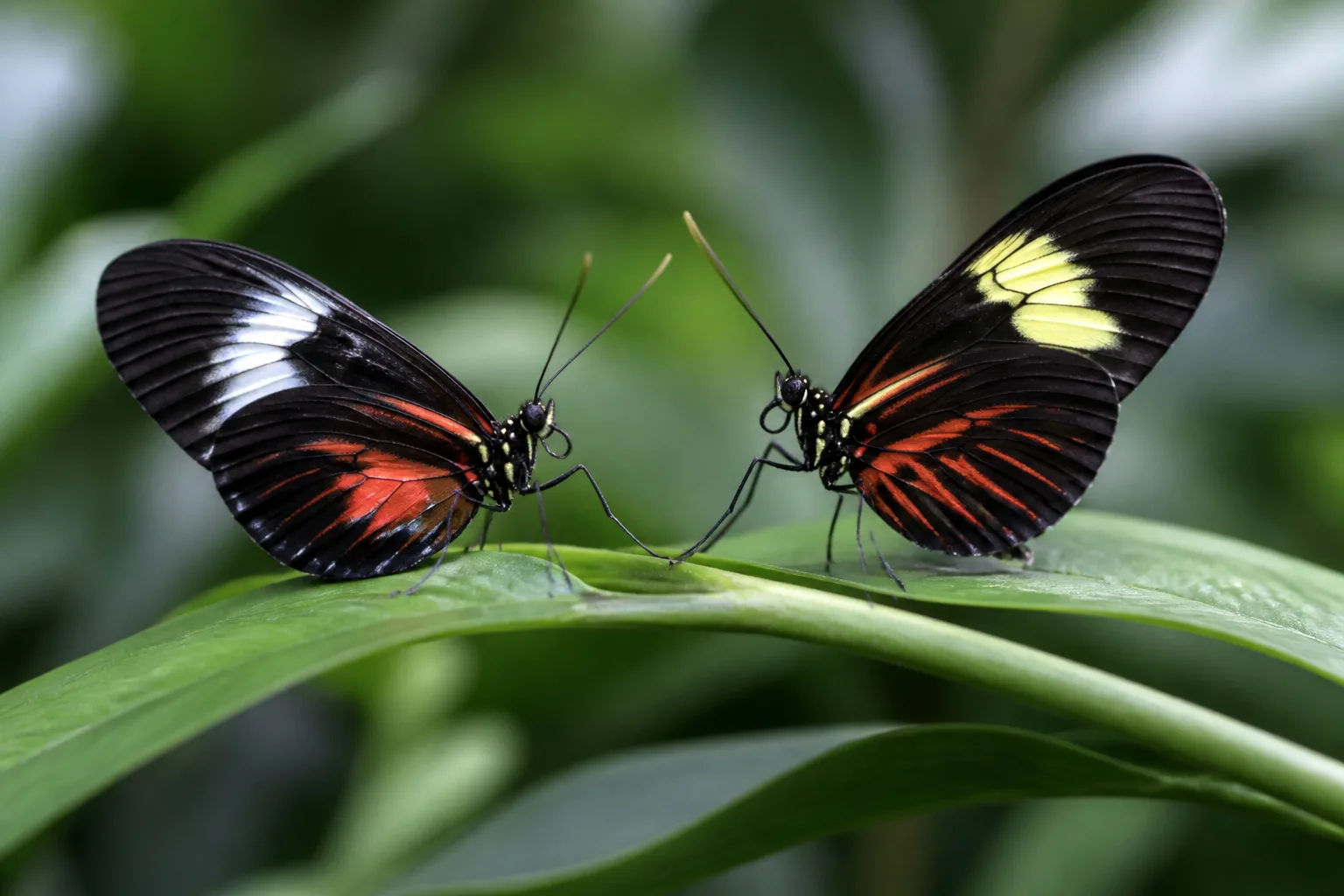
Heliconius butterflies are known for their vivid wing patterns, which play a crucial role in mating behaviors. Scientists have focused on these butterflies to explore how their brains process visual cues related to color, and how this processing affects their selection of potential mates.
Genetic Influences on Mate Choice
The studies suggest that specific genes are involved in determining color preferences, which in turn influence mating decisions. By examining these genetic components, researchers aim to better understand the biological mechanisms underlying reproductive isolation and speciation.
Broader Implications
Understanding the neural and genetic basis of mate preference in Heliconius butterflies provides a valuable model for studying similar processes in other animals. This knowledge contributes to the broader field of neuroethology, which investigates how nervous systems generate natural behaviors.
For more detailed information, see the original research coverage at The Transmitter.
Download the images in this article