
Exploring New Perspectives in Neuroscience Literature
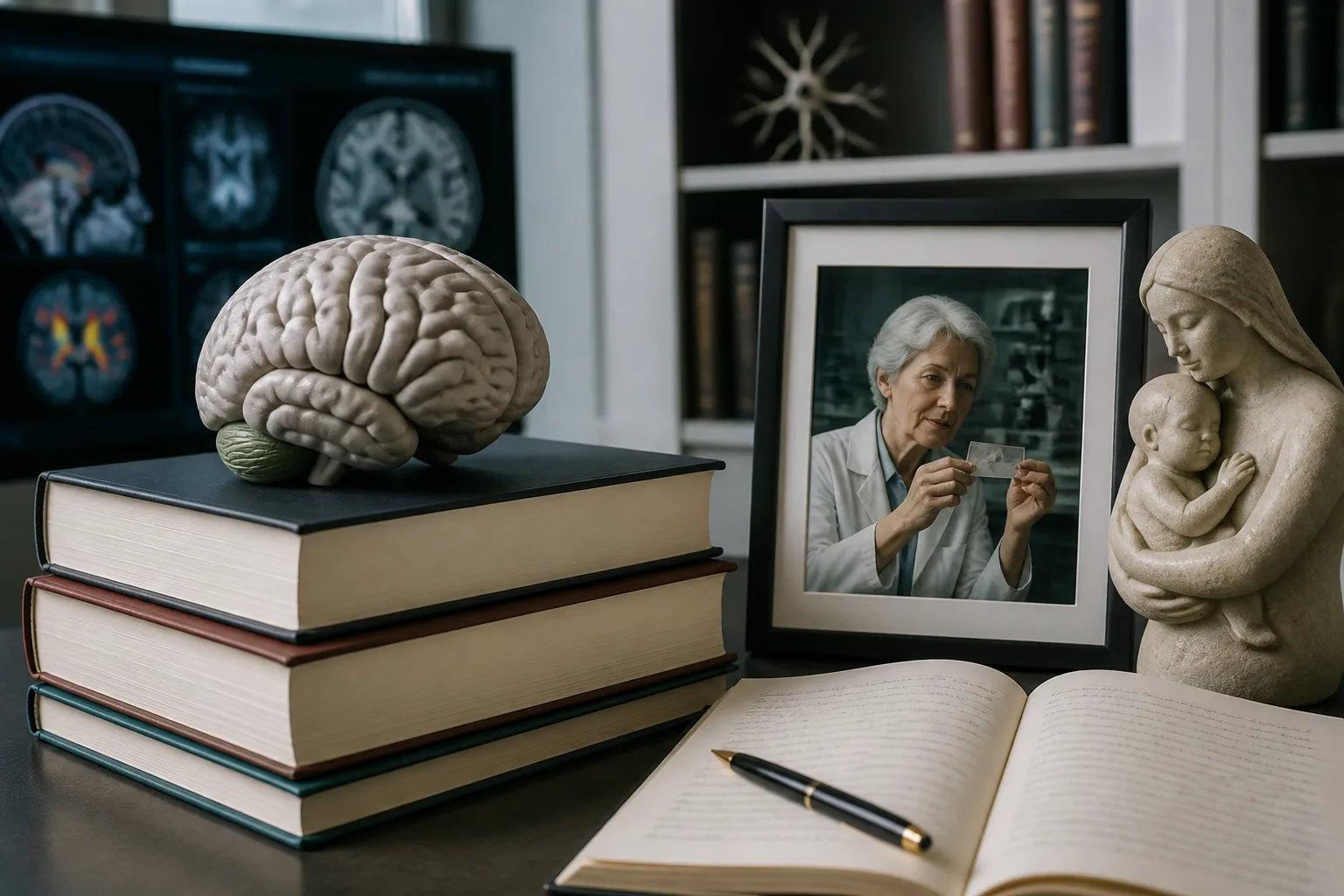
The summer of 2026 brings an engaging selection of neuroscience books that offer both scientific analysis and personal narratives. These works delve into topics ranging from the ambitious Human Brain Project to the intricate neuroscience behind motherhood, as well as a memoir from a leading researcher in Huntington’s disease.
Critical Examination of the Human Brain Project
One of the highlighted titles provides an in-depth review of the Human Brain Project, a large-scale scientific initiative aimed at simulating the human brain. This book critically assesses the project’s goals, methodologies, and outcomes, offering readers a comprehensive understanding of its impact and challenges.
Understanding the Neuroscience of Motherhood
Another significant work focuses on the neuroscience underlying motherhood. It explores how brain function and structure adapt during pregnancy and postpartum periods, shedding light on the biological and psychological changes that support maternal behaviors.
Memoir from a Huntington’s Disease Research Pioneer
Adding a personal dimension to the list, a memoir by a trailblazer in Huntington’s disease research shares firsthand experiences and reflections. This narrative provides valuable insights into the scientific journey and the human aspects of studying this neurodegenerative condition.
Implications for Readers and Families
These books collectively contribute to a broader understanding of brain science and its real-world applications. For families and individuals interested in neuroscience, they offer accessible yet detailed perspectives that bridge research and lived experience.
Considerations and Context
While these titles present informative content, readers should note that scientific interpretations and personal accounts represent specific viewpoints within the field. As with all scientific literature, ongoing research may continue to refine or expand upon these themes.
For further details and the full list of recommended readings, visit The Transmitter.
Download the images in this article