

Discovery of Brainstem Neurons Influencing Anxiety Behaviors
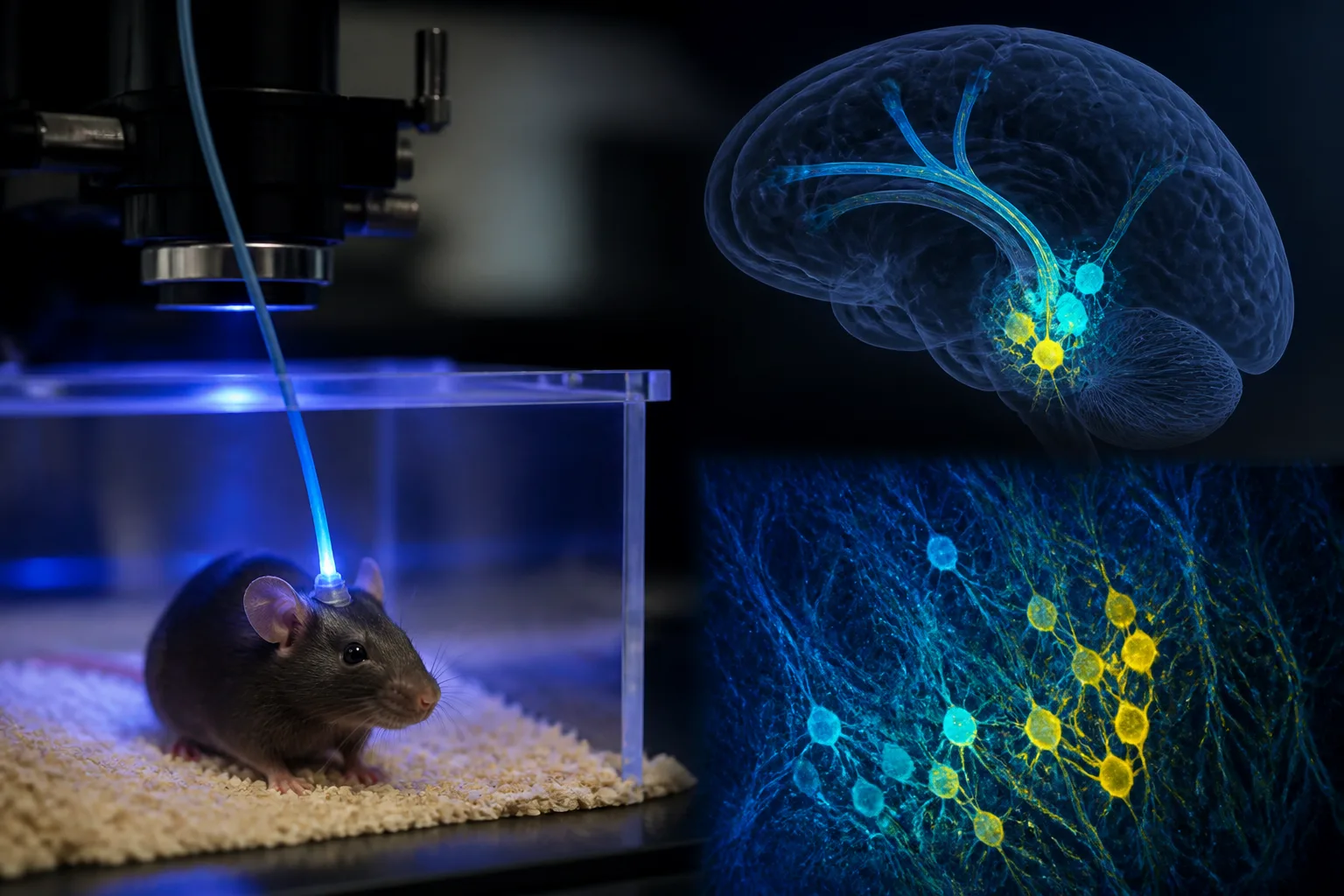
Researchers have identified a specific group of neurons in the brainstem that appear to contribute to anxiety-like behaviors, adding complexity to the neural circuits involved in anxiety regulation. This finding was made possible through precise optogenetic techniques that allow targeted modulation of these neurons.
Key Findings from the Study
The study focused on a population of neurons located in the medulla, a part of the brainstem. Using optogenetics—a method that uses light to control cells genetically modified to respond to it—scientists were able to selectively activate or inhibit these neurons. Their experiments demonstrated that manipulating this neuronal group influenced anxiety-related behaviors in animal models.
Context within Anxiety Circuitry
Anxiety is regulated by a complex network of brain regions, including the amygdala, hippocampus, and prefrontal cortex. The identification of medullary neurons as contributors to anxiety adds a new dimension to this network, highlighting the brainstem’s role beyond its traditional functions in autonomic control and arousal.
Implications for Families and Individuals
Understanding the diverse neural components involved in anxiety may eventually lead to more targeted treatments. While this research is preliminary and primarily conducted in animal models, it underscores the intricate biological underpinnings of anxiety disorders, which can help reduce stigma and inform future therapeutic strategies.
Limitations and Considerations
It is important to note that these findings are early-stage and have not yet been translated to human studies. The complexity of anxiety disorders means that many brain regions and environmental factors contribute to symptoms. Therefore, this research represents one piece of a larger puzzle rather than a definitive explanation.
For more detailed information on this study, visit the original report at The Transmitter.
Download the images in this article