
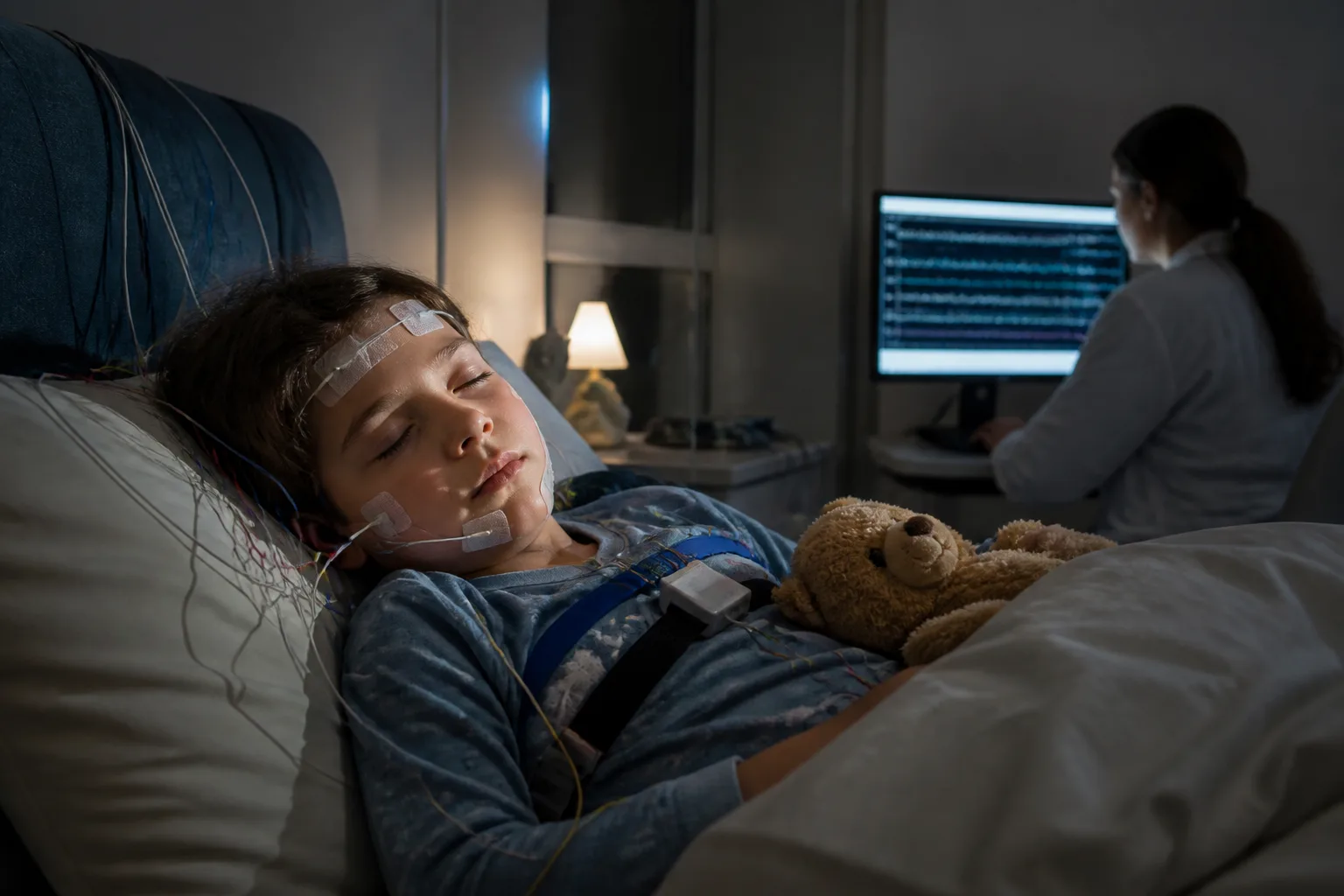
Advancing Sleep Care in Children with Neurodevelopmental Disorders Through Phenotype-Focused Approaches

Understanding Sleep Challenges in Neurodevelopmental Disorders
Sleep difficulties are common among children diagnosed with neurodevelopmental disorders (NDDs), such as autism spectrum disorder (ASD), attention-deficit/hyperactivity disorder (ADHD), intellectual disabilities, and various genetic syndromes. However, relying solely on diagnostic categories often falls short when it comes to guiding effective assessment and treatment strategies.
Recent Research Highlights Diverse Sleep Profiles
Recent studies emphasize the considerable variability in sleep disturbances both within and across different NDD diagnoses. Key clinical sleep phenotypes identified include:
- Insomnia and circadian rhythm disruptions
- Sleep-disordered breathing
- Sleep-related movement disorders
- Excessive daytime sleepiness (hypersomnolence)
- Parasomnias (unusual behaviors during sleep)
Emerging evidence suggests interconnected biological pathways involving circadian regulation, arousal mechanisms, synaptic function, sensory processing, and dopamine-iron metabolism may underlie these sleep problems.
Treatment Approaches: Behavioral and Pharmacological Insights
Behavioral interventions tailored to the child’s specific sleep phenotype are gaining support, with adaptations designed to meet the unique needs of children with NDDs. Pharmacologically, melatonin stands out as the most supported treatment, particularly for managing insomnia in children with ASD and certain neurogenetic conditions.
Conversely, evidence supporting the use of other sedating medications remains limited, especially across the broader spectrum of neurodevelopmental disorders.
Integrating Diagnosis and Phenotype for Personalized Care
Experts advocate for a clinical framework that combines diagnosis-informed risk assessment with phenotype-directed evaluation and management. This means that while the neurodevelopmental diagnosis helps identify syndrome-specific risks and monitoring requirements, the dominant sleep phenotype, alongside contributing medical and environmental factors and the impact on daily functioning, should drive clinical investigations and treatment choices.
Future Directions and Research Needs
There is a clear need for more rigorous clinical trials that include children with severe disabilities and rare neurodevelopmental conditions. Such studies should employ developmentally appropriate, objective, and family-centered outcome measures to better capture treatment effectiveness and real-world benefits.
For families and clinicians navigating sleep issues in children with NDDs, this phenotype-focused approach offers a promising path toward more individualized and effective care.
Source: For detailed information, see the original publication at PubMed – Sleep in Children with Neurodevelopmental Disorders.
Download the images in this article