Skip to content
Love Beyond Words - autismwords.com Love Beyond Words - autismwords.com Love Beyond Words - autismwords.com

Supporting children with autism through education and care

Love Beyond Words - autismwords.com Love Beyond Words - autismwords.com Love Beyond Words - autismwords.com

Supporting children with autism through education and care

  • Learning & Support
    • Communication Skills
    • Daily Living Skills
    • Emotional Regulation
    • Everyday Challenges
    • Learning Through Play
    • Parent Education & Advocacy
    • Positive Behavior Support
    • Routines & Transitions
    • Social Skills
    • Speech & Language
  • Autism News & Perspectives
  • Hero News
  • Learning & Support
    • Communication Skills
    • Daily Living Skills
    • Emotional Regulation
    • Everyday Challenges
    • Learning Through Play
    • Parent Education & Advocacy
    • Positive Behavior Support
    • Routines & Transitions
    • Social Skills
    • Speech & Language
  • Autism News & Perspectives
  • Hero News
Close

Search

  • https://www.facebook.com/
  • https://twitter.com/
  • https://t.me/
  • https://www.instagram.com/
  • https://youtube.com/
Love Beyond Words - autismwords.com Love Beyond Words - autismwords.com Love Beyond Words - autismwords.com

Supporting children with autism through education and care

Love Beyond Words - autismwords.com Love Beyond Words - autismwords.com Love Beyond Words - autismwords.com

Supporting children with autism through education and care

  • Learning & Support
    • Communication Skills
    • Daily Living Skills
    • Emotional Regulation
    • Everyday Challenges
    • Learning Through Play
    • Parent Education & Advocacy
    • Positive Behavior Support
    • Routines & Transitions
    • Social Skills
    • Speech & Language
  • Autism News & Perspectives
  • Hero News
  • Learning & Support
    • Communication Skills
    • Daily Living Skills
    • Emotional Regulation
    • Everyday Challenges
    • Learning Through Play
    • Parent Education & Advocacy
    • Positive Behavior Support
    • Routines & Transitions
    • Social Skills
    • Speech & Language
  • Autism News & Perspectives
  • Hero News
Close

Search

  • https://www.facebook.com/
  • https://twitter.com/
  • https://t.me/
  • https://www.instagram.com/
  • https://youtube.com/
Home/Autism News & Perspectives/2023 Advances in Autism Research Highlight Diagnosis, Gender Differences, and Genetic Insights
2023 Advances in Autism Research Highlight Diagnosis, Gender Differences, and Genetic Insights
Autism News & Perspectives

2023 Advances in Autism Research Highlight Diagnosis, Gender Differences, and Genetic Insights

By Brian Truong
August 22, 2026 5 Min Read
0

Overview of 2023 Autism Research Progress

The year 2023 brought significant advancements in autism research, enhancing understanding of autism spectrum disorder (ASD) and improving diagnostic methods and support strategies. Key developments included refining autism definitions, exploring gender differences, identifying genetic resilience factors, and leveraging technology and artificial intelligence (AI) to expedite diagnosis and intervention access. These findings aim to improve the quality of life for individuals on the autism spectrum and their families.

Refining the Definition and Diagnosis of Autism

Ongoing discussions in 2023 focused on how autism is defined and diagnosed, acknowledging the broad heterogeneity within the spectrum. Some individuals experience autism as a disabling condition, while others view it as an identity, with many falling somewhere in between. The concept of “profound autism,” introduced in 2021 to describe individuals requiring constant support and with significant cognitive or verbal challenges, was further examined through recent studies and editorials. Researchers Greene and Whitehouse proposed a model where genetic and environmental factors shape brain differences leading to autism, followed by a “transactional” phase where life experiences influence behavior and functioning. This framework helps explain the wide variation in autism presentations and supports the need for individualized interventions rather than one-size-fits-all approaches.

Prevalence and Demographic Insights

The Centers for Disease Control and Prevention (CDC) released updated prevalence data showing that approximately 1 in 36 eight-year-old children in the U.S. are diagnosed with autism, with variations by gender and location. Early identification in four-year-olds is improving, and racial disparities in diagnosis appear to lessen by age eight, although intellectual disability remains more frequently diagnosed among Black children. Girls continue to be diagnosed less often than boys at both ages, highlighting an area requiring further research.

For the first time, the CDC also reported on the prevalence of profound autism, estimating that 27.8% of children with ASD meet criteria for this subgroup. This population is often underrepresented in research, prompting the Autism Science Foundation (ASF) to initiate a pilot grant program focused on studying profound autism.

Challenges of Misinformation

Social media platforms like TikTok have been shown to disseminate a high volume of inaccurate information about autism, with misleading content receiving similar attention as accurate information. This contributes to public misunderstandings about autism causes and treatments. Families are encouraged to seek evidence-based resources to discern factual information.

Technological Innovations in Diagnosis

Artificial intelligence and digital technologies made notable strides in autism diagnosis this year. Tools measuring social attention and visual engagement—such as Duke University’s SenseToKnow and the FDA-approved EarliPoint—offer noninvasive, quick assessments by tracking gaze patterns toward social versus nonsocial stimuli. These methods approach the diagnostic accuracy of traditional, lengthier assessments and can be used in clinical or home settings.

Telehealth platforms like As You Are and CanvasDx utilize clinician-coded behavioral measures combined with caregiver reports to provide accessible diagnostic services remotely. These AI-driven approaches aim to reduce long wait times for evaluations and improve diagnostic equity.

Understanding Autism in Females

Females are diagnosed with autism at significantly lower rates than males, partly due to differences in behavioral presentation and diagnostic challenges. Research in 2023 highlighted neurobiological distinctions, including variations in brain activity and gene mutation rates between sexes, which may contribute to these disparities. The Lancet published recommendations to better support autistic females, emphasizing recognition of female-specific behaviors and tailored employment opportunities. More clinical tools are needed to ensure females on the spectrum receive appropriate diagnosis and support.

Insights into Brain Function and Neurology

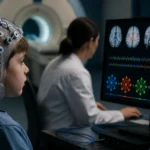
Studies revealed that the autistic brain shares connectivity patterns with other neurodevelopmental and psychiatric conditions, such as ADHD and bipolar disorder, suggesting overlapping biological mechanisms. Research on brain tissue found reduced expression of genes involved in neural communication and increased inflammatory markers, indicating possible neurodegenerative processes over time. One key finding involved GABAergic neurons, which regulate neural excitation; their reduction was linked to stereotypic behaviors and intellectual ability in autism.

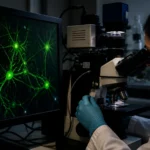
Emerging model systems called assembloids—miniature brain-like structures grown in the lab—allow scientists to study how autism-associated genes affect brain development at the cellular level, offering new avenues for understanding disease mechanisms.

Developmental Trajectories and Lifespan Considerations

Longitudinal research identified multiple autism symptom trajectories, including stable, improving, and worsening patterns over time. Early behavioral features at six months could moderately predict outcomes at school age. Mental health challenges were more prevalent in autistic individuals, particularly females, with anxiety and depression increasing from childhood through adolescence. Physical health generally declined with age, while core autism symptoms improved in midlife for some. These findings underscore the importance of monitoring and supporting individuals across the lifespan.

Genetic Complexity and Resilience

Genetic studies revealed that rare mutations associated with autism do not always result in a diagnosis, suggesting factors like environment, epigenetics, and additional genetic variants influence resilience. Assortative mating—where parents share similar traits—may contribute to the presence of rare genetic variants in children with autism. The interplay between rare and common genetic variants supports a liability threshold model, where cumulative genetic factors influence autism risk.

Addressing Comorbidities

Individuals with autism frequently experience co-occurring medical and psychiatric conditions that can significantly impact quality of life and, in some cases, be life-threatening. Genetic links between autism and other body systems, such as gastrointestinal dysfunction, are being explored to develop targeted therapies. Comorbidities often persist throughout life but may improve over time with appropriate management.

Supporting Siblings of Autistic Individuals

Research indicates that siblings without autism may face increased risks for psychiatric and neurodevelopmental disorders and report lower quality of life. Interventions incorporating cognitive behavioral therapy and stress management have shown promise in enhancing resilience and coping skills among siblings. The presence of a typically developing sibling can positively influence developmental outcomes for autistic individuals, although factors like age difference and behavior challenges affect sibling dynamics.

Implications for Families and Future Directions

The ultimate goal of autism research is to improve lives through personalized approaches. Early, evidence-based interventions remain crucial, with studies confirming that earlier treatment leads to better outcomes in language, social communication, and adaptive skills. Advances in genetics, AI diagnostics, and longitudinal research will continue to refine individualized care strategies. Families are encouraged to seek timely assessments and interventions tailored to each person’s unique needs.

For more detailed information, visit the original review by the Autism Science Foundation at Autism Science Foundation 2023 Year End Review.

Download the images in this article

  • 2023 Advances in Autism Research Highlight Diagnosis, Gender Differences, and Genetic Insights

Tags:

AI autism diagnosisautism comorbiditiesautism diagnosisautism geneticsautism research 2023early intervention autismgender differences autismprofound autism
Author

Brian Truong

Follow Me
Other Articles
Hidden Markov Models Reveal Distinct Brain Network Dynamics in Autism Spectrum Disorder
Previous

Hidden Markov Models Reveal Distinct Brain Network Dynamics in Autism Spectrum Disorder

Avanço técnico em estudos da memória destaca reativação neuronal durante a recuperação
Next

Avanço técnico em estudos da memória destaca reativação neuronal durante a recuperação

No Comment! Be the first one.

Leave a Reply Cancel reply

Your email address will not be published. Required fields are marked *

ADHD ASD ASD research autism autism communication autism diagnosis autism parenting autism research autism spectrum disorder autism support autistic adults autistic children child communication child development child independence communication communication skills communication support communication supports communication tools coping strategies daily living skills early intervention emotional regulation fine motor skills Functional Communication intellectual disability language development learning through play mental health mouse model neurodevelopment neurodevelopmental disorders neurodiversity neuroinflammation parent advocacy positive behavior support sensory accommodations sensory needs sensory processing sensory support sex differences visual learning set visual routine young children

  • Halliwick Aquatic Therapy Linked to Improved Quality of Life in Children with
    Halliwick Aquatic Therapy Linked to Improved Quality of Life in Children with Autism Spectrum Disorder
    A study suggests that Halliwick-based aquatic physical activity may improve quality of life in children and adolescents with autism spectrum disorder, showing benefits in psychological well-being and autonomy.
  • New Insights into Autism: Linking Brain Fluid Dynamics and Network Development to
    New Insights into Autism: Linking Brain Fluid Dynamics and Network Development to Clinical Outcomes
    New research explores how brain fluid movement and neural network development may influence autism's clinical outcomes, offering insights into its diverse trajectories.
  • Study Links Perceived Stress and Auditory Sensitivity in Autistic and Non-Autistic University
    Study Links Perceived Stress and Auditory Sensitivity in Autistic and Non-Autistic University Students
    A study finds perceived stress is linked to auditory sensitivity in autistic and non-autistic university students, with autistic students showing higher sensitivity.
  • New Study Supports Reliable Autism Intervention Measures Across Clinic and Home Settings
    New Study Supports Reliable Autism Intervention Measures Across Clinic and Home Settings
    A recent study found that brief observational tools measuring social communication and caregiver strategies in young autistic children are reliable and feasible across both clinic and home settings, supporting flexible early intervention assessments.
  • Study Highlights Social Disadvantages Impacting Health of Autistic Adults Without Intellectual Disability
    Study Highlights Social Disadvantages Impacting Health of Autistic Adults Without Intellectual Disability
    A UK study finds autistic adults without intellectual disability face social disadvantages that contribute to higher chronic illness and mortality risks, highlighting the need for systemic policy changes.
Halliwick Aquatic Therapy Linked to Improved Quality of Life in Children with
Halliwick Aquatic Therapy Linked to Improved Quality of Life in Children with Autism Spectrum Disorder
October 16, 2026
New Insights into Autism: Linking Brain Fluid Dynamics and Network Development to
New Insights into Autism: Linking Brain Fluid Dynamics and Network Development to Clinical Outcomes
October 16, 2026
Study Links Perceived Stress and Auditory Sensitivity in Autistic and Non-Autistic University
Study Links Perceived Stress and Auditory Sensitivity in Autistic and Non-Autistic University Students
October 16, 2026
New Study Supports Reliable Autism Intervention Measures Across Clinic and Home Settings
October 16, 2026
Study Reveals Sex-Specific Behavioral Changes in Mice Lacking α5-Nicotinic Acetylcholine Receptors
157 views
Preparing for Loud Events: 6 Sensory Support Steps for Children
139 views
Expressing Discomfort and Asking for Help: 6 Essential Communication Phrases for Young
Expressing Discomfort and Asking for Help: 6 Essential Communication Phrases for Young Children
133 views
Feeling Worried: 6 Steps to Help Young Children Recognize and Manage Worry
131 views
Using a Calm Voice: 5 Positive Steps for Young Children
129 views

Content on this website is created with the assistance of artificial intelligence (AI), while some portions are still reviewed and overseen by humans. All content and resources are provided completely free of charge.

Some information may be referenced or cited from reputable sources. Whenever possible, we will clearly identify the sources used within each article.

If you have any questions, feedback, or would like to contact us, please email: info@autismwords.com

Copyright 2026 — Love Beyond Words - autismwords.com. All rights reserved. Blogsy WordPress Theme

Join Us on the Journey to Understanding Autism

Subscribe to receive curated autism knowledge, lessons, and the latest news — delivered to you regularly.

We promise to send only helpful autism-related information and knowledge — no ads, no spam. You can unsubscribe anytime.

Thank you for subscribing!