Human Brain Organoids Grown for Five Years Show Postnatal Developmental Features

Long-Term Cultured Brain Organoids Exhibit Advanced Maturation
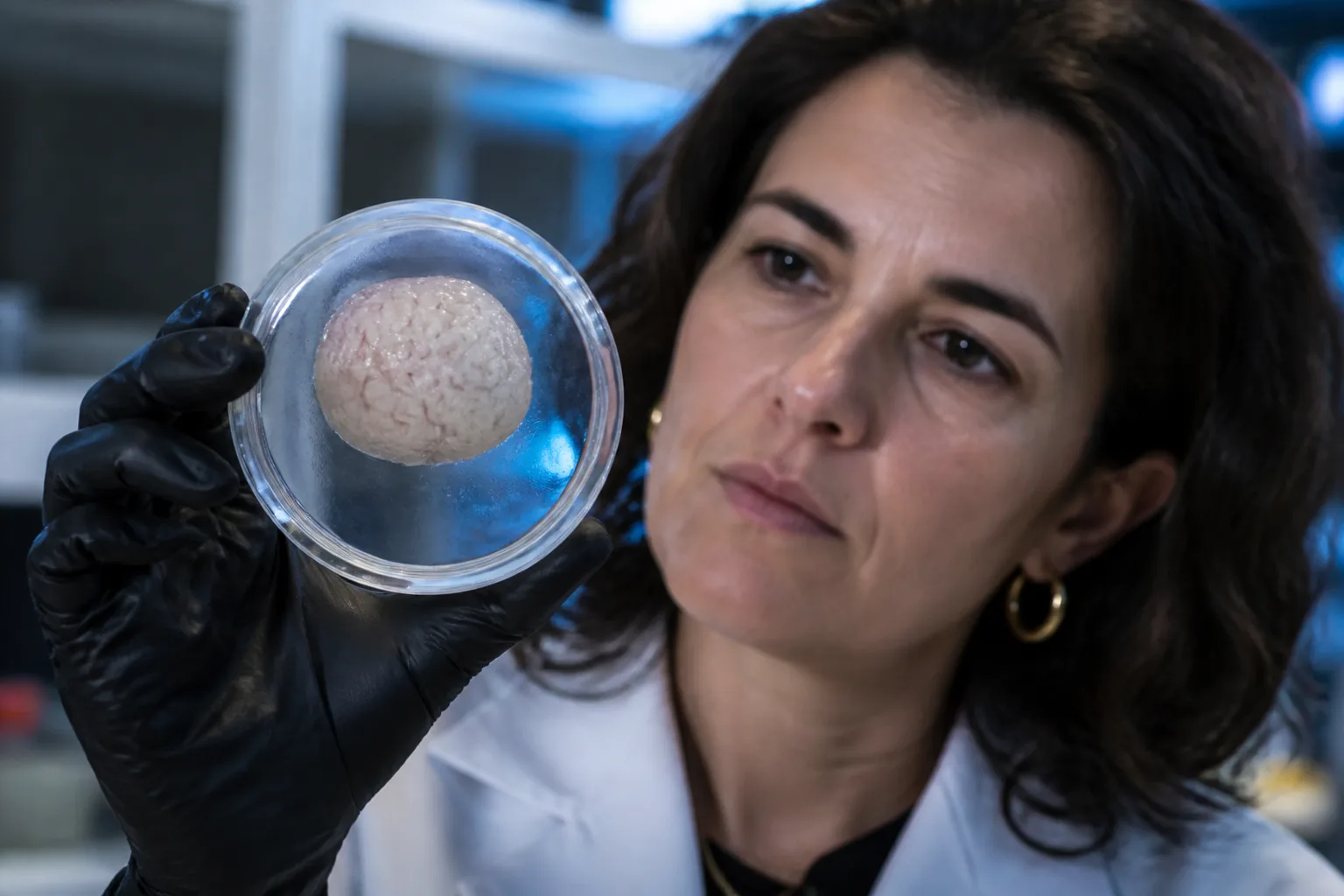
Researchers in Paola Arlotta’s laboratory have successfully cultured human brain organoids for five years, during which these miniature brain models developed characteristics typical of postnatal brain stages. This finding is notable because most brain organoids grown in laboratories typically replicate only prenatal development phases.
Key Findings from the Study
Brain organoids are three-dimensional clusters of brain cells grown from stem cells that mimic aspects of human brain development. Traditionally, these organoids have been limited to modeling early, prenatal stages of brain growth. However, the organoids cultivated in Arlotta’s lab matured on a schedule comparable to natural human brain development, reaching features seen after birth.
This advancement suggests that long-term cultivation of brain organoids may allow researchers to study later stages of brain maturation in a controlled environment. Such models could provide insights into developmental processes and neurological conditions that manifest after birth.
Context and Implications for Families
While this research is still in early stages, it opens potential avenues for studying complex brain development and disorders that affect children and adults. Understanding how brain cells mature postnatally could improve knowledge about neurodevelopmental conditions and aid in developing new treatments.
Limitations and Cautions
It is important to note that brain organoids, despite their complexity, are simplified models and do not fully replicate the human brain’s structure or function. The findings do not imply that organoids can replace clinical studies or direct medical applications at this time. Further research is needed to validate these models and explore their full potential.
For more detailed information, see the original report from The Transmitter.
Download the images in this article