Study Finds Elevated Inflammatory Cytokines in Temporal Cortex of Individuals with Autism Spectrum Disorder

Research Highlights Immune Changes in Brain Region Linked to Autism
Recent research has identified increased levels of inflammatory cytokines in the superior temporal gyrus (STG) of individuals with autism spectrum disorder (ASD), suggesting altered neuroimmune activity in this brain region important for social communication and sensory processing.
Key Findings from Postmortem Brain Analysis
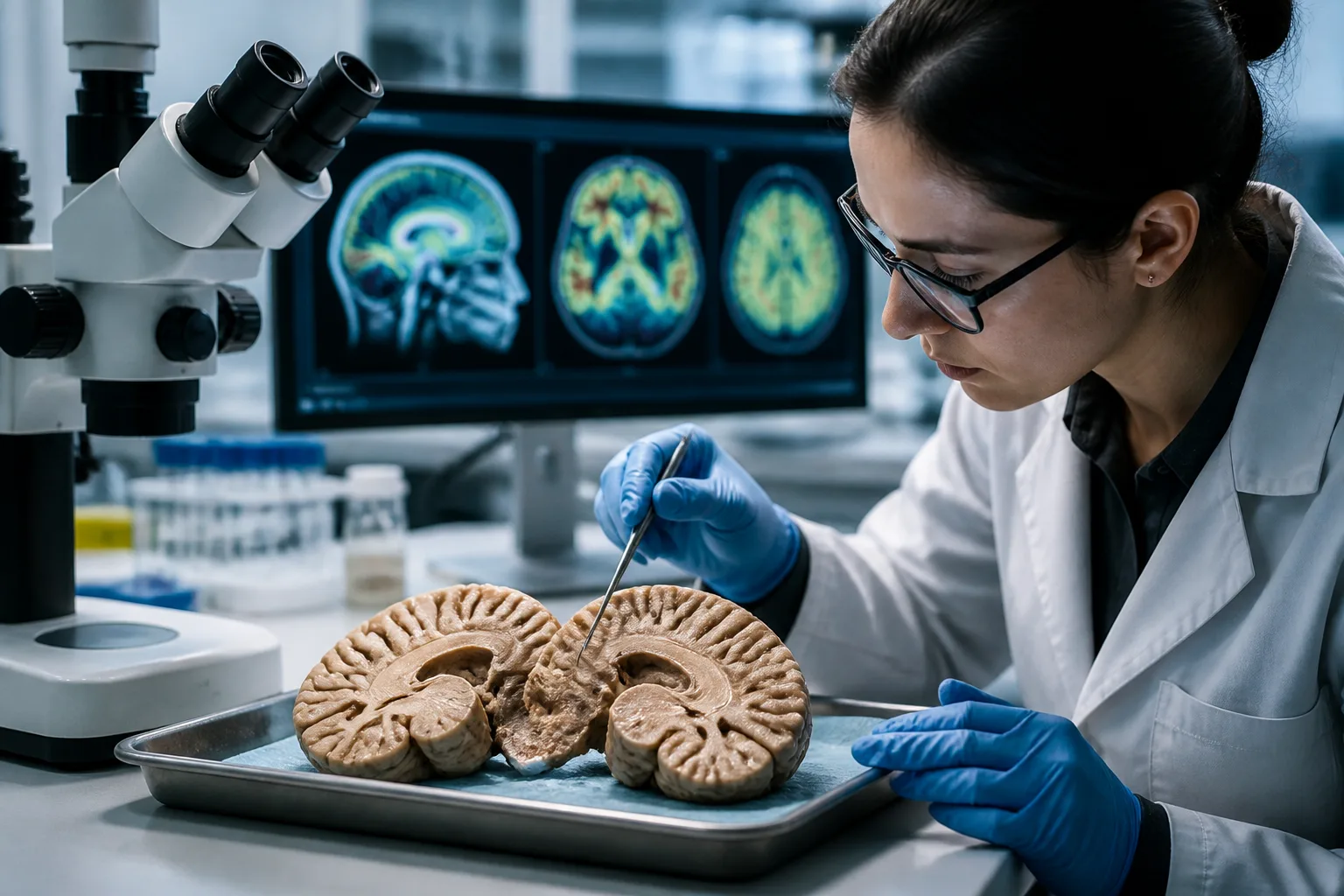
A study analyzing postmortem brain tissue from 46 donors, including 17 with ASD and 29 neurotypical controls, measured various cytokines, chemokines, and growth factors in the STG. Using multiplexed bead immunoassays on fresh-frozen samples, researchers found significantly elevated levels of several pro-inflammatory markers in the ASD group. These included interleukins IL-1α, IL-8, IL-18, as well as FLT-3L, FGF-2, G-CSF, M-CSF, MCP3, PDGF-AA, and GROa.
Conversely, levels of certain cytokines such as RANTES, IFNα2, and IL-4 were notably reduced in individuals with ASD compared to controls. This pattern indicates a distinctive neuroimmune profile characterized by increased inflammation without a corresponding rise in immune regulatory factors.
Context and Implications
While previous studies have reported immune differences in cerebrospinal fluid and blood samples from people with ASD, this research provides new insights by focusing on the brain tissue itself, particularly the STG, a region implicated in ASD-related social and sensory challenges.
The findings support the hypothesis that neuroinflammatory processes may play a role in ASD, potentially contributing to the disorder’s complex neurodevelopmental features. Understanding these immune alterations could open avenues for exploring targeted therapies that modulate neuroinflammation.
Considerations and Future Directions
It is important to note that this study shows associations rather than direct causation between cytokine changes and ASD. The sample size, while meaningful for postmortem research, remains limited, and further studies are needed to confirm these findings and explore their functional significance.
Moreover, neuroimmune interactions in ASD are complex and likely involve multiple pathways. These results add to a growing body of evidence but should be interpreted cautiously within the broader context of ASD research.
For more detailed information, the original study can be accessed here.
Download the images in this article