The Role of Artificial Intelligence in Clinical Trials for Autism and Neurobehavioral Disorders

Emerging Use of AI in Neurobehavioral Clinical Trials
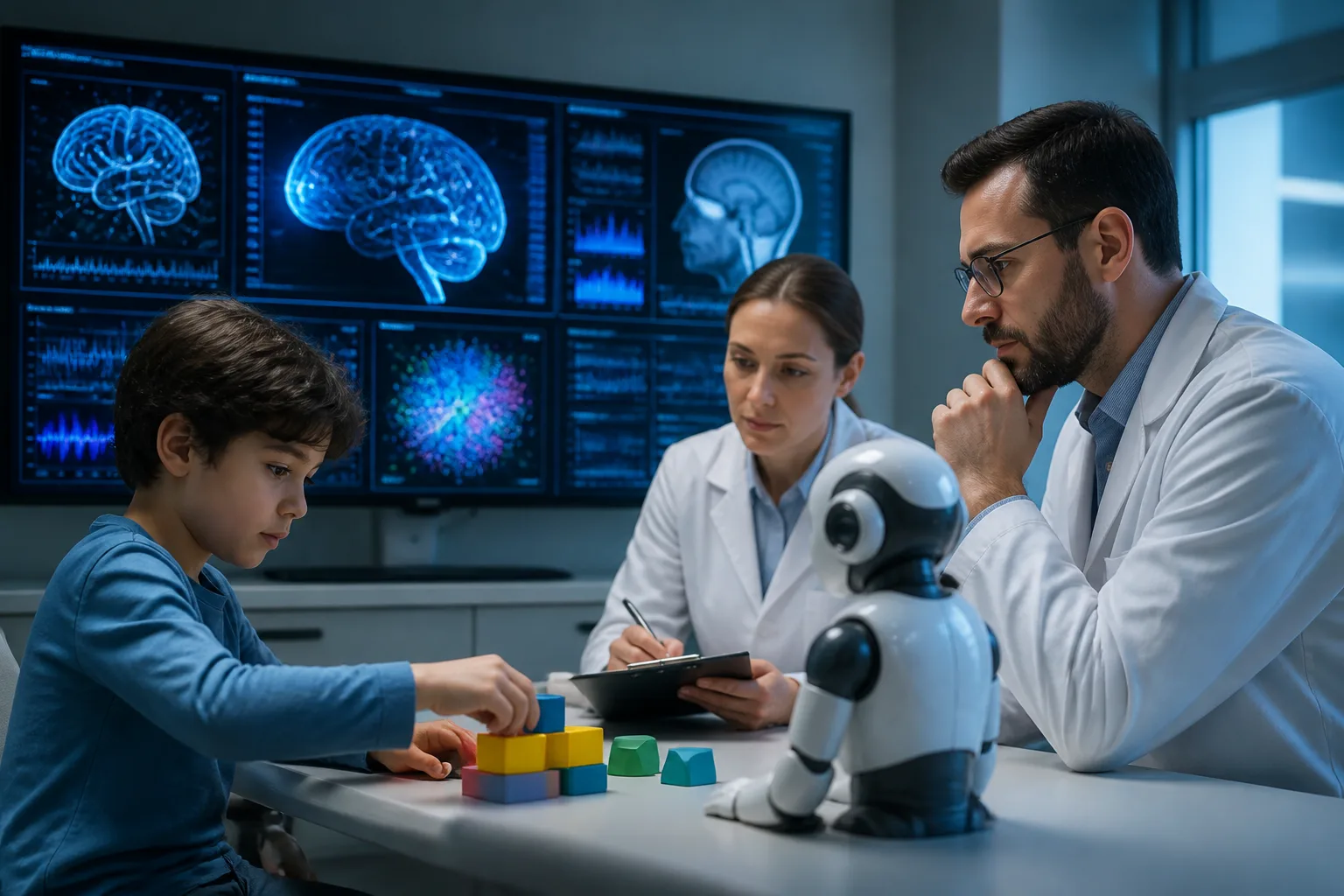
Artificial intelligence (AI), including generative AI (GenAI), is increasingly being applied to the design and management of clinical trials targeting autism spectrum disorder and other neurobehavioral conditions. These disorders often involve complex and multifaceted variables, making traditional trial design challenging. AI offers advanced tools to analyze large datasets and integrate diverse biological information, potentially improving trial efficiency and insights.
Potential Benefits and Current Applications
Recent developments have seen AI assist in processing high-throughput data and combining various omics-derived models—such as genomics, proteomics, and metabolomics—to better understand patient heterogeneity and treatment responses. This computational approach may help tailor clinical trials more precisely to patient subgroups and optimize outcome measures.
Ethical and Methodological Considerations
Despite these promising capabilities, researchers emphasize that AI should currently serve as a support tool rather than replace human judgment in clinical trial processes. Ethical concerns and methodological limitations remain, particularly regarding the qualitative assessment of treatment effects and the nuanced interpretation of clinical outcomes. Maintaining a strong human element ensures careful evaluation of both quantitative data and patient-centered impacts.
Implications for Families and Clinicians
For families and healthcare providers, the integration of AI in clinical trials may eventually lead to more personalized and effective therapies for autism and related disorders. However, it is important to recognize that AI-driven approaches are still evolving and are not a substitute for clinical expertise or individualized care decisions.
Conclusion
While artificial intelligence holds promise to enhance the design and analysis of clinical trials in neurobehavioral disorders, its role remains complementary. Ongoing research and careful ethical oversight are essential to ensure AI tools are used responsibly and effectively in advancing treatments for autism and other complex conditions.
For more detailed information, see the original study here.
Download the images in this article