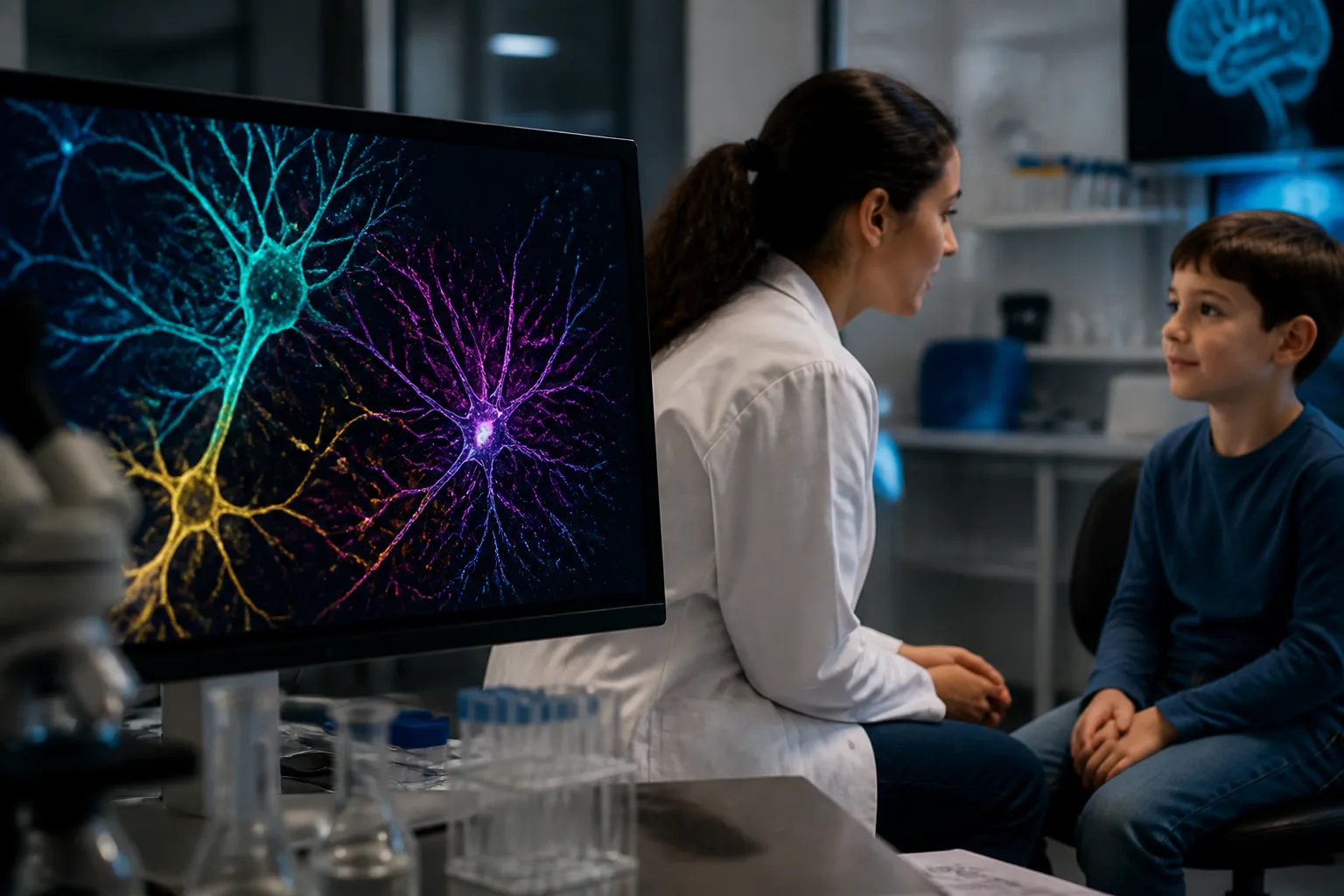
Distinct Neuron Groups Influence Social Behavior Differently: Insights from Recent Autism Research

Recent research highlights how two separate populations of neurons can have opposing effects on sociability, offering new perspectives on social behavior mechanisms. These findings contribute to the broader understanding of autism spectrum conditions and related social interaction challenges.
Key Findings on Neuronal Influence and Sociability
Scientists have identified two distinct groups of neurons that impact social behavior in different ways. One population appears to promote sociability, while the other seems to inhibit it. This dual effect suggests a complex neural balance underlying social engagement, which may be disrupted in autism spectrum disorders.
Context and Implications for Families
Understanding the neural basis of social behavior can inform future research and potential interventions aimed at improving social functioning for individuals on the autism spectrum. While these findings are preliminary, they underscore the importance of nuanced approaches that consider multiple neural pathways.
Limitations and Cautions
It is important to note that current research is still evolving, and these neuronal effects have been observed primarily in controlled experimental settings. Further studies are needed to confirm these results in humans and to explore how they translate into clinical applications.
For more detailed information on these findings and other autism-related research developments, visit The Transmitter.
Download the images in this article