Telemedicine Parent Training Shows Promise for Children with Autism and Their Families

Telemedicine Enhances Support for Families of Children with Autism
Access to specialized autism spectrum disorder (ASD) interventions remains a challenge, especially in rural or underserved areas. A recent meta-analysis has highlighted the potential benefits of telemedicine-based parent training programs in improving outcomes for children and adolescents with autism and their caregivers.
Key Findings from the Meta-Analysis
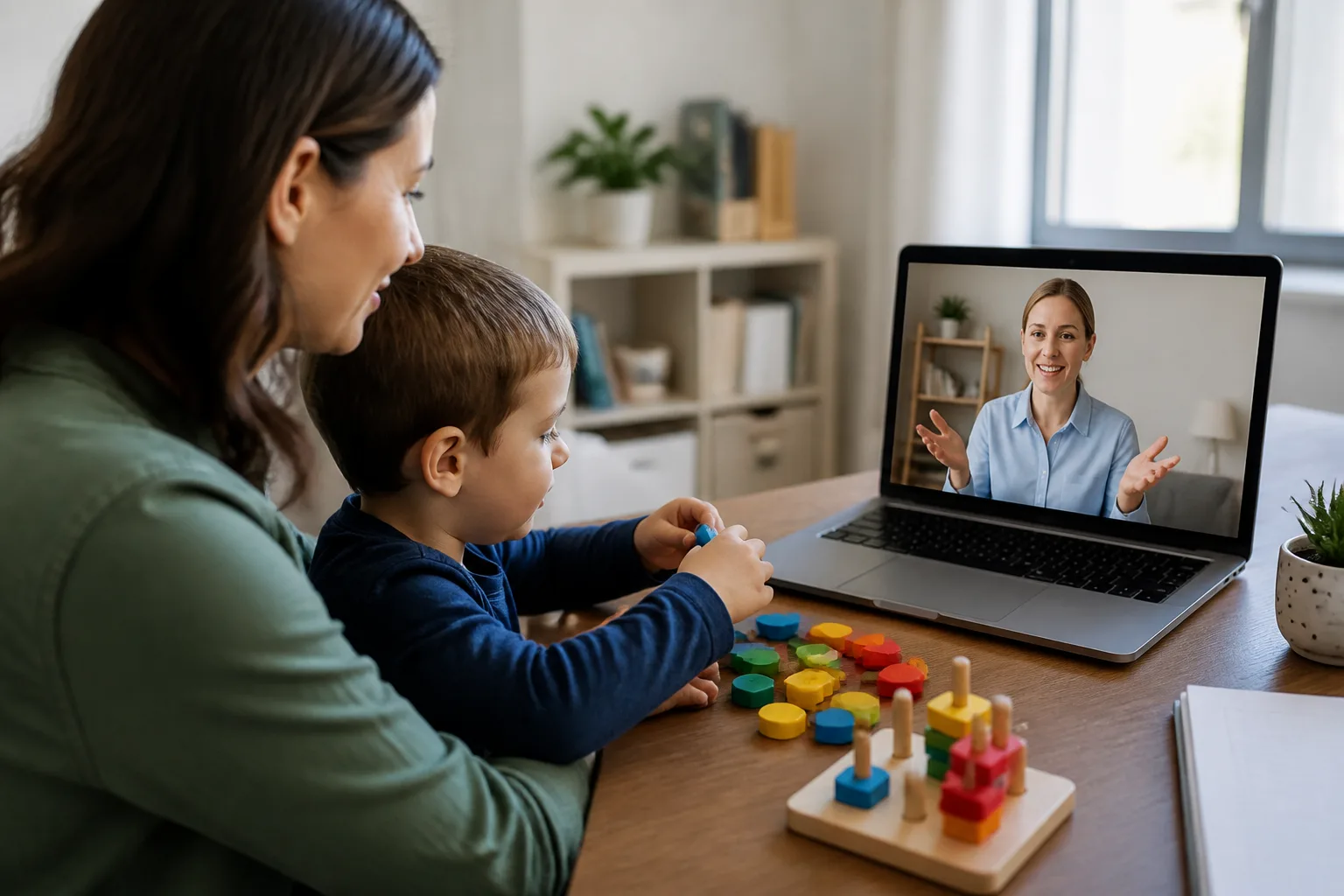
Researchers reviewed 19 studies involving 616 children with ASD to assess the impact of telemedicine parent training. These interventions included real-time video coaching, self-guided online modules, and hybrid approaches combining remote and in-person support.
The analysis found that telemedicine parent training was associated with several positive outcomes:
- Improved family environment, with a standardized mean difference (SMD) of -0.56, indicating a moderate beneficial effect.
- Reduced parenting stress (SMD = -0.56), suggesting that caregivers felt less overwhelmed.
- Enhanced parental self-efficacy (SMD = 0.46) and increased confidence and competence in caregiving (SMD = 0.48).
- Better adaptive behaviors and social interactions in children with autism (SMD = 0.37).
- Improved communication skills among children (SMD = 0.51), a critical area of development in ASD.
Context and Importance
Traditional ASD interventions often require in-person visits to specialists, which can be difficult for families living far from treatment centers. Telemedicine offers a way to deliver parent training remotely, potentially expanding access to evidence-based support.
By empowering parents through coaching and education delivered via digital platforms, these programs may help bridge gaps in care and provide consistent guidance tailored to each family’s needs.
Implications for Families and Caregivers
Parents participating in telemedicine training may experience less stress and greater confidence in managing their child’s needs. Improvements in children’s communication and adaptive skills can also contribute to better daily functioning and quality of life.
Such interventions could be particularly valuable for families in remote locations or those facing barriers to frequent clinic visits.
Limitations and Considerations
While the meta-analysis indicates promising associations, it is important to note that these findings do not establish causation. Variability in intervention types and study designs means that results should be interpreted with caution.
Further research is needed to determine the most effective telemedicine approaches and to understand long-term outcomes.
For families considering telemedicine parent training, consultation with healthcare providers can help tailor support to individual circumstances.
More detailed information on this review can be found through the original publication: The Effects of Telemedicine Parent Training on Children and Adolescents With Autism: A Meta-Analysis.
Download the images in this article