Exploring the Microbiota-Gut-Brain Axis: Insights from a New Special Issue

Understanding the Microbiota-Gut-Brain Axis
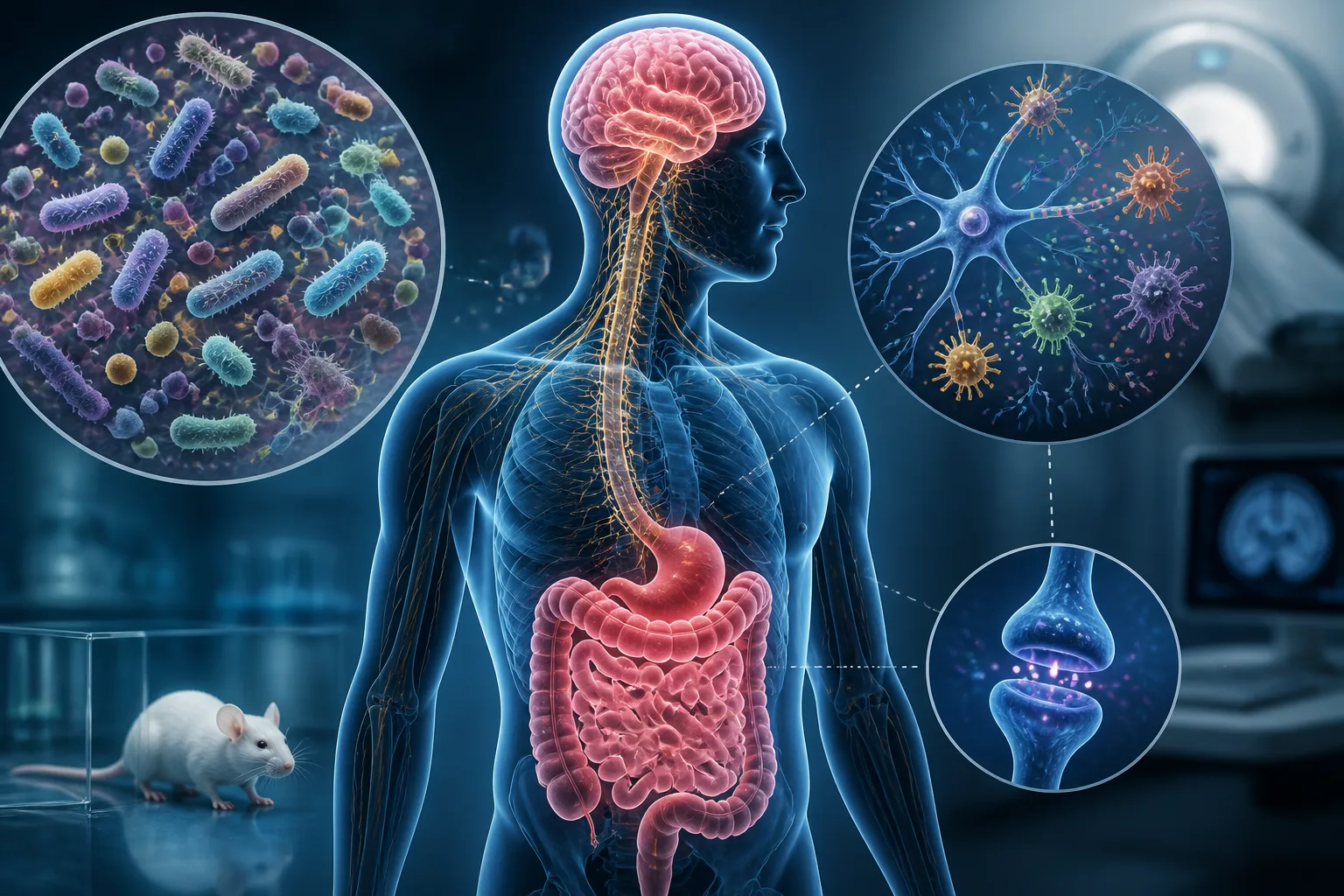
The microbiota-gut-brain axis has become a pivotal concept in neuroscience and medicine, highlighting how the communities of microbes residing in our digestive system can influence brain development, function, and disease processes. A recent Special Issue published in the Journal of Neurochemistry delves into this complex relationship, presenting current research that sheds light on the biological mechanisms linking gut microbiota and the nervous system.
Key Themes of the Special Issue
This collection of articles centers around three interconnected themes:
- Microbial Metabolites and Neurochemistry: Studies investigate how substances produced by gut microbes affect neurochemical signaling and inflammatory pathways in the brain.
- Developmental and Neuroimmune Mechanisms: Research explores how factors such as stress, immune responses, and gut health during different life stages influence communication between the gut and brain.
- Translation to Neurological and Psychiatric Disorders: The issue examines the role of the microbiota-gut-brain axis in conditions like autism spectrum disorder, depression, Parkinson’s disease, spinal cord injury, and addiction.
Implications for Neurological and Psychiatric Health
The studies included suggest that microbial metabolites can modulate neuroinflammation and neurochemical pathways, potentially impacting brain health and disease. Additionally, the dynamic interplay between stress, immune signaling, and gut health throughout life may shape how the gut and brain communicate, influencing vulnerability to various neurological and psychiatric conditions.
Future Directions in Research
The Special Issue emphasizes the need for further mechanistic and translational research to better understand microbiota-gut-brain interactions. Such work could pave the way for innovative therapeutic strategies targeting the gut microbiome to support brain health and treat neurological disorders.
Conclusion
Overall, this body of research advances our comprehension of the complex dialogue between the gut microbiota and the brain, highlighting its significance across development and disease. While promising, these findings warrant cautious interpretation and further investigation to clarify causal relationships and therapeutic potential.
For more detailed information, the full Special Issue can be accessed through the original publication: Journal of Neurochemistry, Special Issue on Microbiota and Gut-Brain Axis.
Download the images in this article