Rare Case Links X-Linked Ichthyosis to Seizures, ADHD, and Autism Spectrum Disorder in Child

Overview of X-Linked Ichthyosis and Neurodevelopmental Concerns
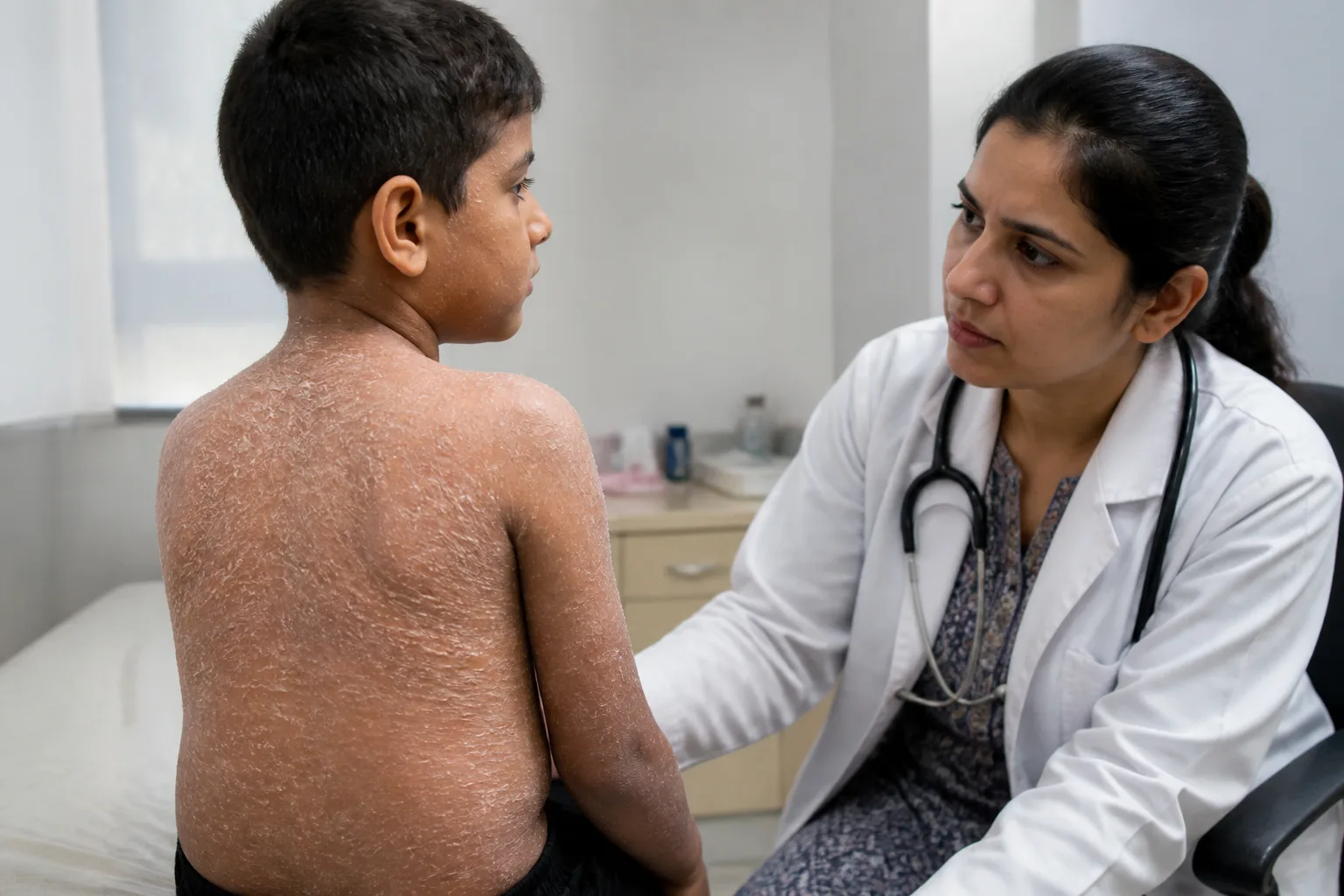
X-linked ichthyosis (XLI) is a genetic disorder primarily known for causing dry, scaly skin due to a deficiency in the steroid sulfatase (STS) enzyme. While the dermatological symptoms are well recognized, emerging evidence suggests that XLI may also be associated with various neurodevelopmental and psychiatric conditions.
Case Report: Complex Presentation in a 10-Year-Old Boy
A recent case involved a 10-year-old boy admitted to a dermatology clinic presenting with seizures characterized by unusual upper limb movements. Born prematurely at 26 weeks with a low birth weight of 1.6 kilograms, the child had a history of congenital ichthyosis. Alongside his skin condition, he exhibited developmental delays in language and motor skills, learning difficulties, microcephaly (a smaller than average head size), and a behavioral tendency to peel and ingest his dry, scaly skin.
Genetic and Clinical Findings
Genetic testing, including single-nucleotide polymorphism and comparative genomic hybridization analyses, identified a 1.65 megabase deletion on the X chromosome at region Xp22.31. This deletion affected the STS gene and neighboring genes. Laboratory tests confirmed low STS enzyme activity in adipose tissue. Brain imaging did not reveal structural abnormalities, but electroencephalogram (EEG) results showed mild slowing, consistent with neurological involvement.
Implications for Diagnosis and Management
This case underscores the importance of recognizing the broader neurodevelopmental and psychiatric spectrum associated with STS gene deletions. Early identification of psychiatric symptoms such as seizures, attention-deficit/hyperactivity disorder (ADHD), and autism spectrum disorder (ASD) is crucial for timely intervention.
Management strategies should align with evidence-based guidelines for early psychotic or neurodevelopmental symptoms. This includes comprehensive assessments, tailored pharmacological treatments when necessary, and multidisciplinary psychosocial support. Such an approach aims to stabilize clinical symptoms effectively while minimizing premature or inaccurate diagnostic labeling.
Conclusion: Integrating Care for Optimal Outcomes
This uncommon clinical presentation of XLI highlights the need for early genetic diagnosis and a personalized treatment plan that integrates dermatological, neurological, and psychiatric expertise. Holistic care can improve quality of life and developmental outcomes for affected individuals.
For further details, see the original case report published in Annals of Medicine and Surgery: X-linked ichthyosis with seizures, ADHD, and autism spectrum disorder: a case report with an uncommon clinical presentation.
Download the images in this article