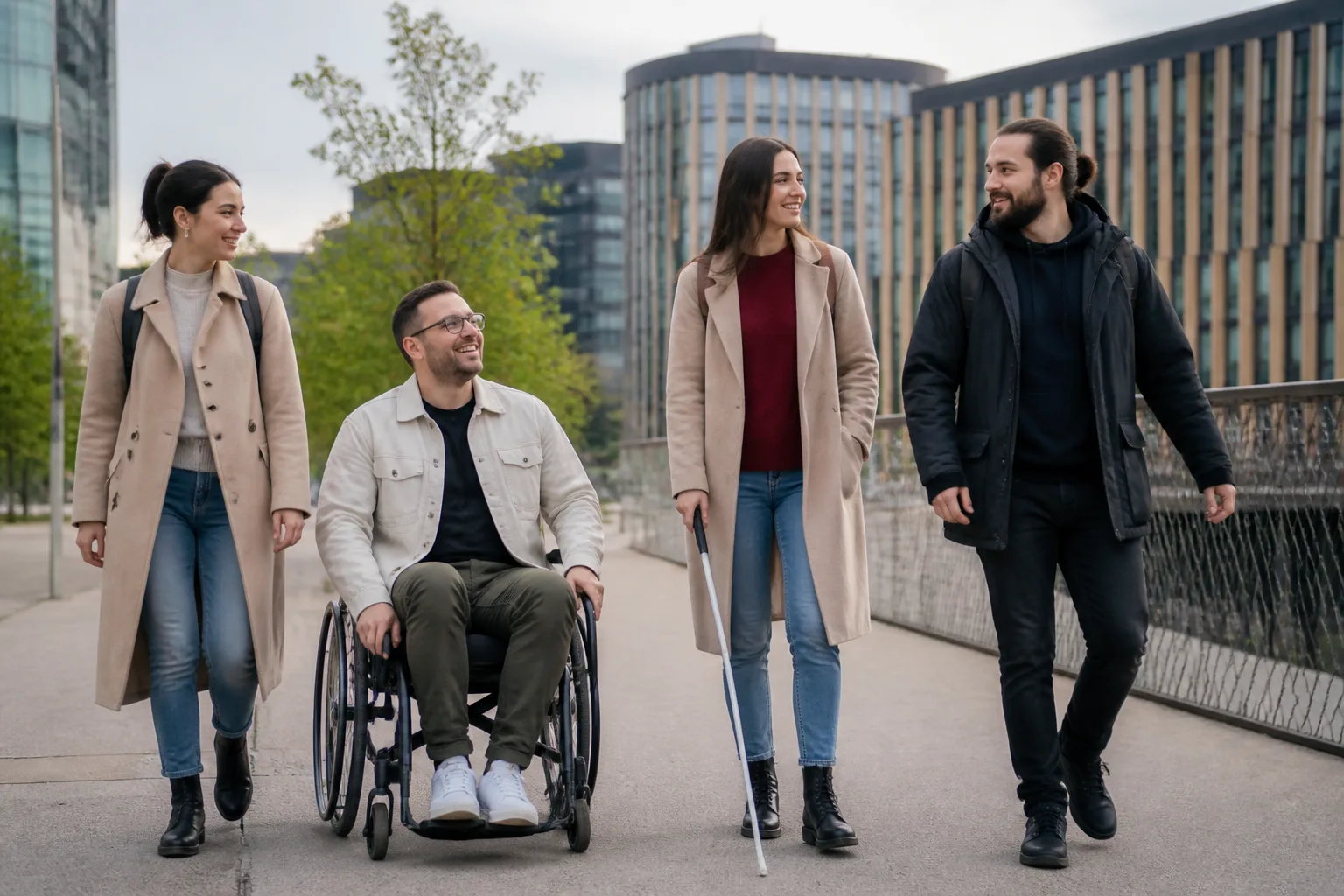
Study Identifies Key Factors Influencing Quality of Life for People with Disabilities in Luxembourg

New Research Explores Quality of Life Determinants Among Adults with Disabilities
A recent study conducted in Luxembourg has highlighted important factors associated with the quality of life (QoL) of adults with disabilities living in institutional settings or attending day-care services. This research aims to support policy development aligned with the United Nations Convention on the Rights of People with Disabilities (UNCRPD), which emphasizes improving the well-being of people with disabilities.
Study Overview and Methodology
The investigation involved 124 adults diagnosed with intellectual, motor, or autism spectrum disorders. Participants were randomly selected from a larger pool of 1,115 beneficiaries of Luxembourg’s socio-pedagogical support program. The sample was carefully stratified by age, gender, residential status, and professional status to ensure representativeness.
Researchers collected data through semi-structured interviews covering a broad range of variables, including socio-economic status, social participation, living environment conditions, and various dimensions of well-being and quality of life. The analysis employed multiple linear regression models with fixed effects to identify associations between these factors and QoL.
Key Findings on Quality of Life Influences
The study found that the quality of life among participants was significantly linked to their needs for support and the characteristics of their living environment. Additionally, more frequent contact with neighbors showed a modest positive association with QoL.
Interestingly, after adjusting for other variables, the researchers did not observe statistically significant independent relationships between quality of life and factors such as the specific type of disability, communication abilities, or mobility limitations.
Implications for Policy and Practice
These findings suggest that efforts to enhance the quality of life for people with disabilities should prioritize promoting greater social participation and supporting independent living arrangements. Policymakers in Luxembourg and similar contexts may benefit from focusing resources on creating enabling environments and fostering community connections rather than concentrating solely on medical or functional aspects of disability.
Contextual Considerations and Limitations
While Luxembourg is a wealthy country, previous assessments have indicated it may lag in fully realizing the goals of the UNCRPD. This study contributes valuable evidence to inform ongoing improvements.
It is important to note that the research design was observational and cross-sectional, which limits the ability to infer causation. Also, the sample included adults in specific care settings, which may affect the generalizability of results to all people with disabilities.
For more detailed information, the full study is accessible at PubMed.
Download the images in this article