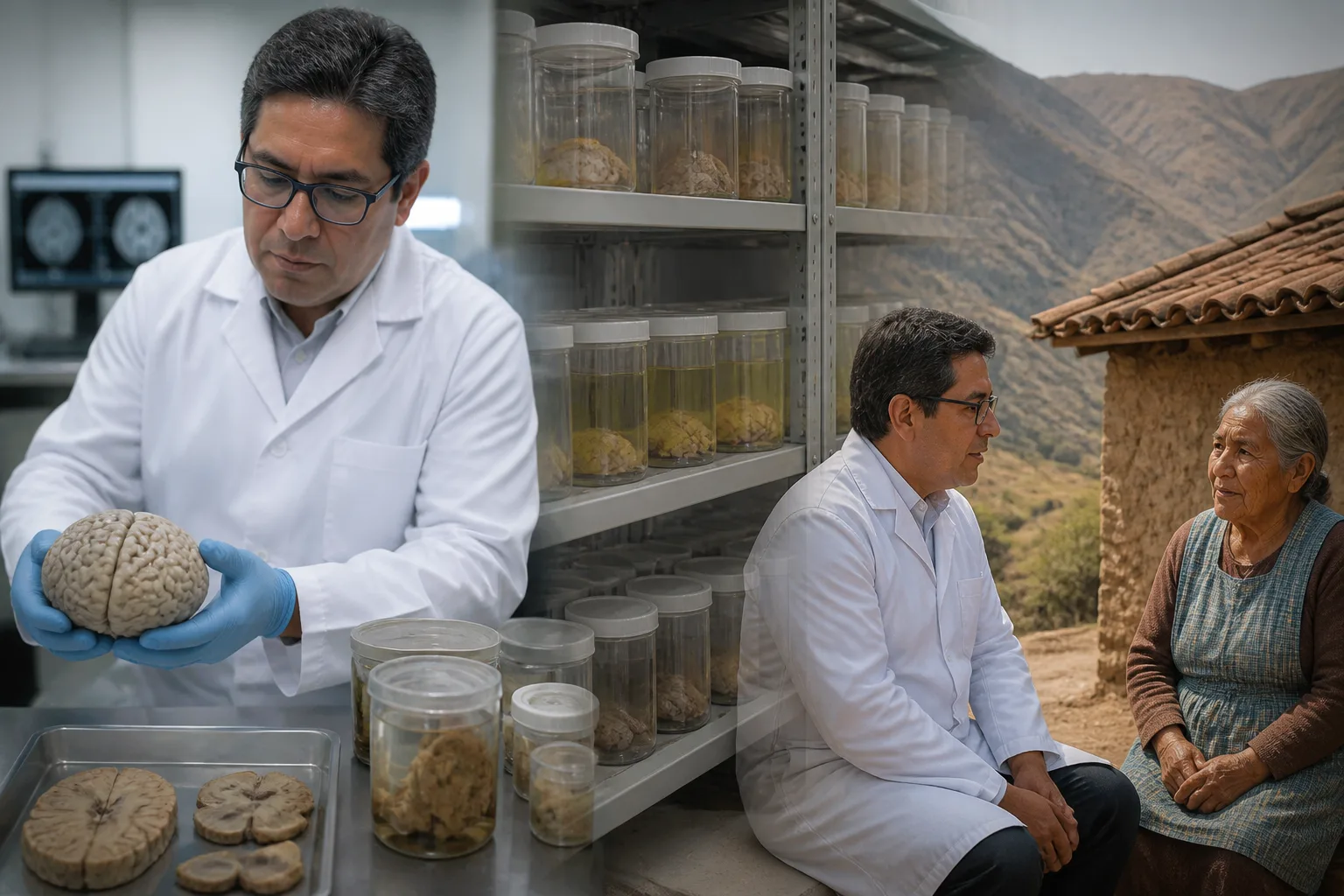

Overview of Mexico’s Pioneering Brain Bank
Since 2011, Alzheimer’s disease researcher José Luna-Muñoz has led Latin America’s oldest brain bank, located in Mexico. Under his direction, the facility has broadened its scope by collecting a wider variety of brain tissue samples and increasing efforts to recruit donors, particularly from rural regions.
Enhancing Tissue Collection and Donor Diversity
The brain bank, a critical resource for neurological research, has traditionally focused on specific tissue types. Luna-Muñoz’s leadership has emphasized expanding these collections to include diverse brain tissues, providing researchers with richer materials to study Alzheimer’s and related neurodegenerative diseases.
Moreover, the initiative to reach out to rural communities aims to diversify the donor pool. This expansion is significant because it may help scientists understand how Alzheimer’s manifests across different populations and environments within Mexico.
Implications for Families and Researchers
For families affected by Alzheimer’s, the brain bank’s growth could lead to improved understanding of the disease’s progression and variability. Increased tissue availability supports research that may one day inform better diagnostics and treatments.
Considerations and Future Directions
While expanding donor recruitment is promising, challenges remain in ensuring ethical consent and maintaining tissue quality, especially when working with remote communities. Ongoing efforts will need to address these aspects carefully.
For more detailed information on this initiative, see the original report at The Transmitter.
Download the images in this article