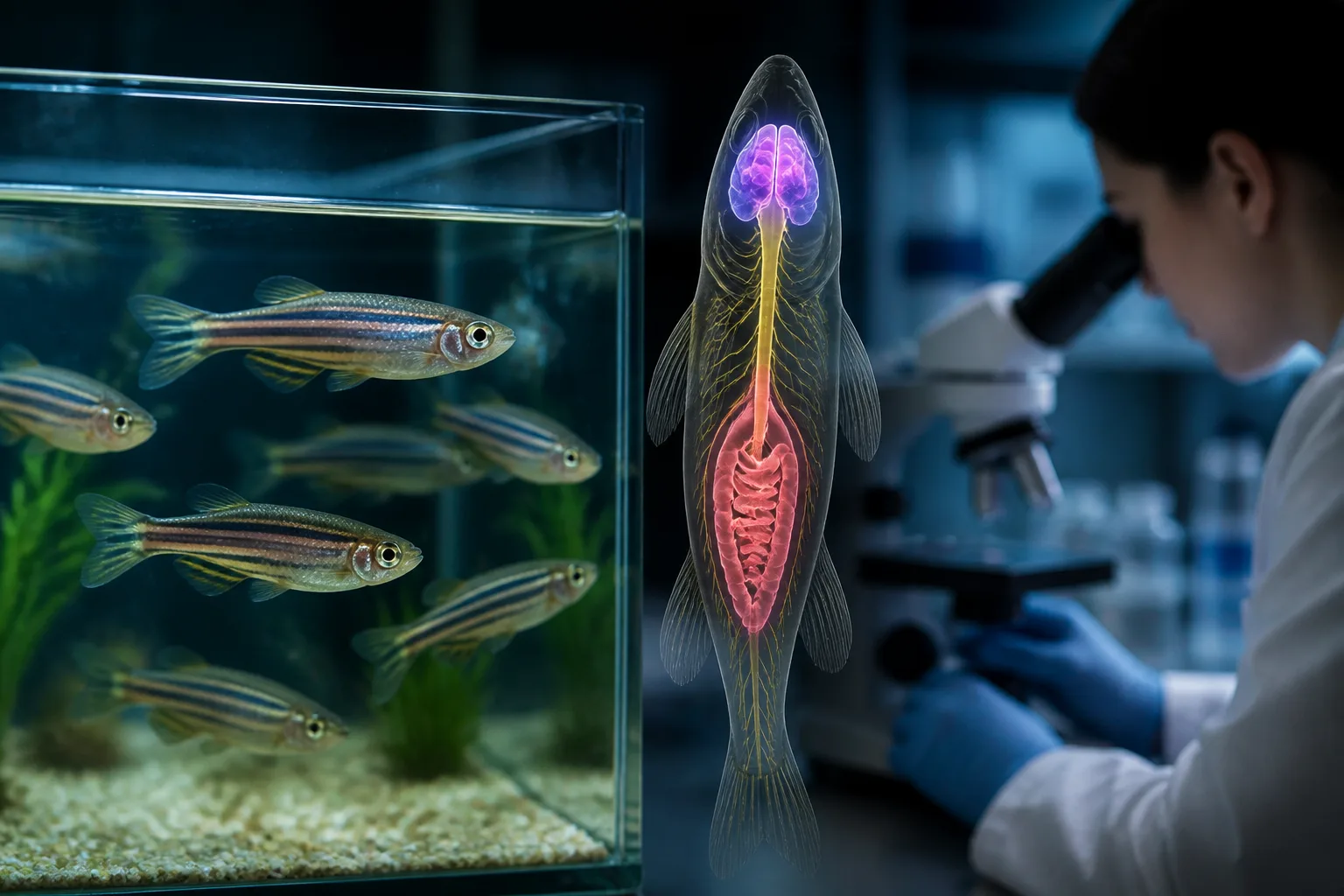
Zebrafish Model Reveals Gut and Brain Neurochemical Changes Linked to Autism Traits

New Insights into Autism Spectrum Disorder from Zebrafish Research
Researchers have expanded the understanding of autism spectrum disorder (ASD) by studying a zebrafish model exposed to valproic acid (VPA), a known environmental risk factor for ASD. This study sheds light on the neurological and gastrointestinal (GI) changes associated with ASD-like symptoms, highlighting potential mechanisms behind common gut issues in individuals with autism.
Key Findings from the Zebrafish Study
The study, conducted on zebrafish larvae at seven days postfertilization, observed several ASD-relevant features after VPA exposure. These included:
- Increased distance between the eyes (intraocular distance), reflecting craniofacial changes.
- Altered expression of neuroligin 3 (NLGN3), a protein linked to synaptic function and ASD.
- Reduced muscle tone and behaviors indicative of anxiety, such as increased preference for the edges of a tank (thigmotaxis) and a tendency to avoid lighted areas.
Neurochemical Changes in Brain and Gut
Analysis of the brain revealed decreased levels of proteins involved in serotonin and dopamine pathways, including tryptophan hydroxylase 2 (TPH2) and serotonin (5-HT), as well as tyrosine hydroxylase (TH) and dopamine transporter (DAT). Interestingly, dopamine levels themselves were increased, suggesting complex neurotransmitter regulation.
In contrast, the gut showed increased serotonergic activity (higher TPH1 and 5-HT) but decreased dopaminergic markers (lower TH and higher DAT). These neurochemical shifts were accompanied by anatomical changes such as thinner intestinal walls, elongated intestines, and reduced spontaneous peristaltic movement, indicating impaired gut motility.
Implications for Understanding ASD-Related Gastrointestinal Symptoms
The findings support existing literature on dopamine dysregulation in ASD and introduce new evidence linking reduced serotonin activity in the brain to anxiety-like behaviors, a core feature of autism. Moreover, the distinct neurochemical imbalances in the gut may help explain the frequent GI problems reported in individuals with ASD, such as constipation and motility issues.
Considerations and Future Directions
While this zebrafish model provides valuable biological insights, it remains a preclinical tool. The complexity of human ASD and its GI symptoms requires cautious interpretation of these results. Further research is needed to confirm these mechanisms in humans and to explore potential therapeutic targets addressing both neurological and gastrointestinal aspects of ASD.
For more detailed information, the original study can be accessed here.
Download the images in this article