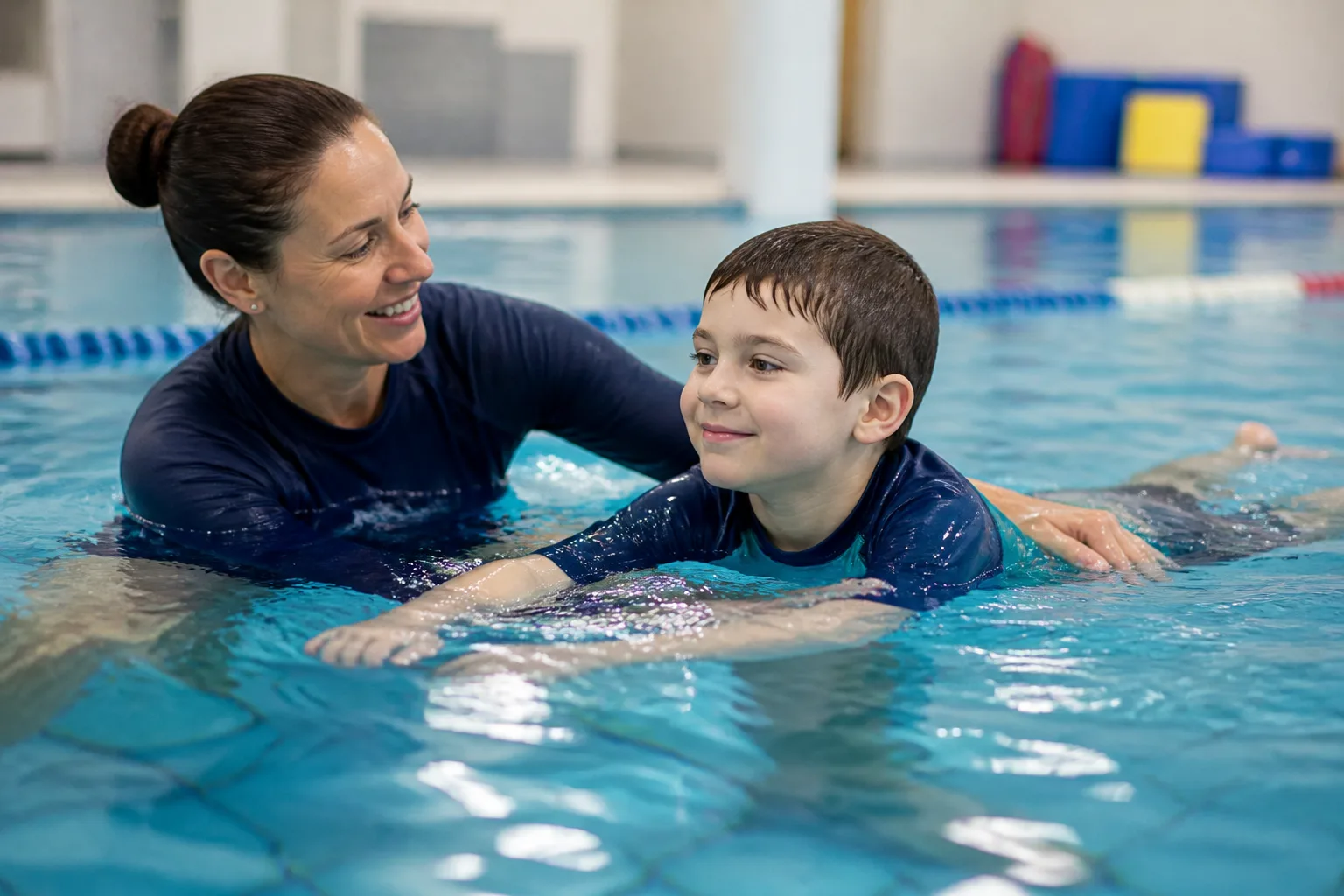
Halliwick Aquatic Therapy Linked to Improved Quality of Life in Children with Autism Spectrum Disorder

Study Highlights Benefits of Aquatic Activity for Children with ASD
A recent study has found that children and adolescents with autism spectrum disorder (ASD) who engage in Halliwick-based aquatic physical activity report better health-related quality of life compared to those who do not participate in such activities. This research adds to growing evidence supporting aquatic therapy as a beneficial non-pharmacological intervention for individuals with ASD.
Research Details and Participant Profile
The study involved 45 children diagnosed with ASD, aged between 8 and 17 years, including 19 girls and 26 boys. Participants were divided into two groups: one group had engaged in Halliwick aquatic physical activity for at least three months, while the other group had no experience with aquatic activities.
Key Findings on Quality of Life Measures
Researchers assessed health-related quality of life using the KIDSCREEN-52 questionnaire, a validated tool for evaluating well-being in children and adolescents. The group involved in aquatic therapy scored higher across all measured domains. Statistically significant improvements were observed in several areas, including:
- Psychological well-being
- Moods and emotions
- Self-perception
- Autonomy
- Financial resources
- School environment
Additionally, overall quality of life, as measured by the KIDSCREEN-10 summary score, was better among those participating in aquatic activities.
Context and Implications for Families
ASD is characterized by challenges in social communication and repetitive behaviors, with wide variability in symptom severity. Individualized interventions are essential, and aquatic physical activity, particularly the Halliwick method, may offer a supportive environment that promotes physical engagement and psychological benefits.
For families considering therapy options, these findings suggest that incorporating aquatic activities could enhance aspects of well-being and daily functioning for children with ASD. The Halliwick approach emphasizes water-based movement and independence, which may contribute to the observed improvements.
Limitations and Need for Further Research
While the study presents promising associations, it is cross-sectional and cannot establish causation. The sample size was relatively small, and differences in sex appeared to influence outcomes, indicating that further research with larger, diverse populations is necessary to confirm and expand upon these results.
Families and caregivers should consult healthcare professionals to determine the most appropriate interventions tailored to individual needs.
Download the images in this article