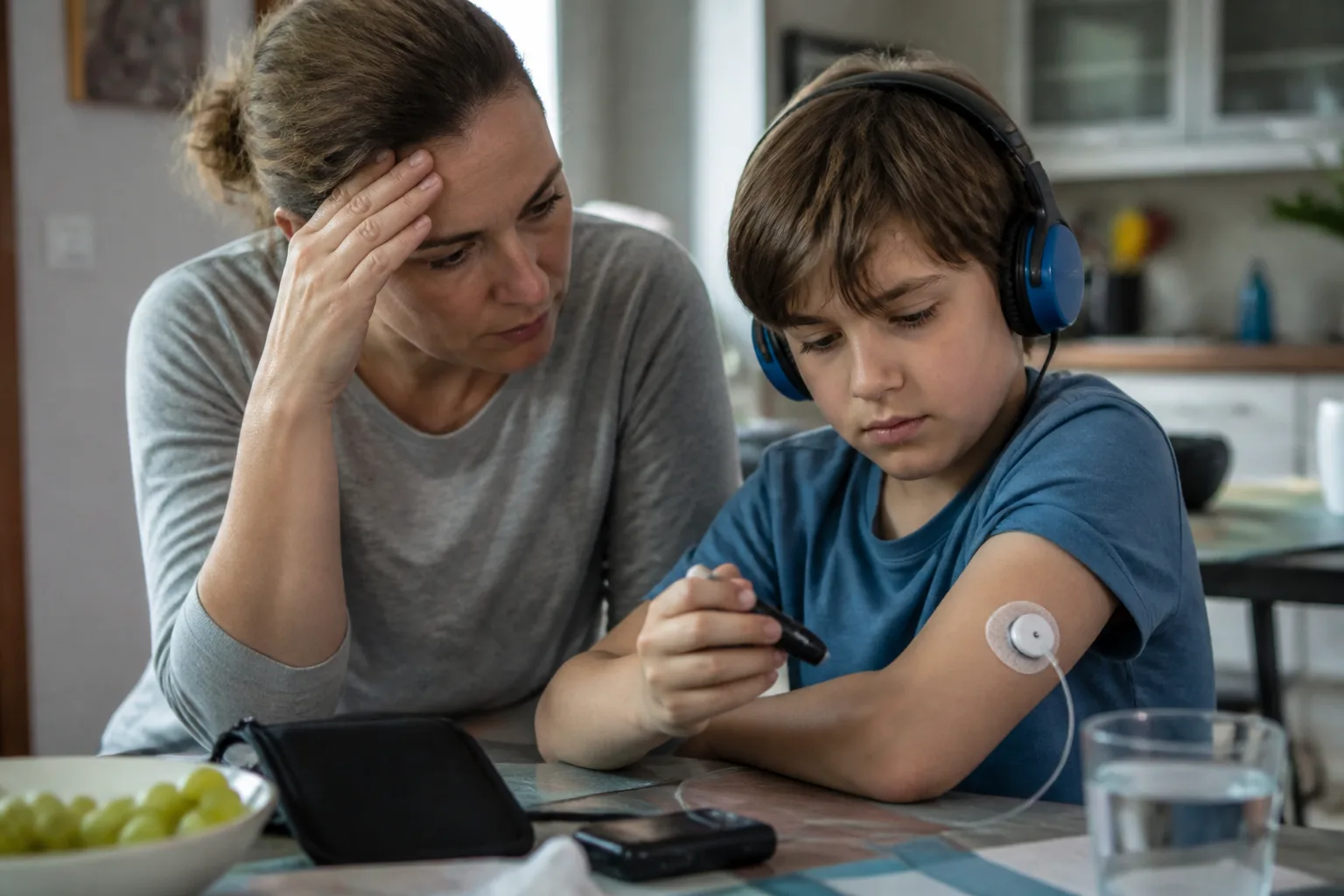
Challenges and Strategies in Managing Type 1 Diabetes Among Neurodiverse Children and Adolescents

Understanding the Intersection of Neurodiversity and Type 1 Diabetes Management
A recent qualitative study explored the unique challenges faced by children and young people (CYP) diagnosed with both Type 1 diabetes (T1D) and neurodiverse conditions such as autism spectrum disorder and attention-deficit/hyperactivity disorder (ADHD). The research also examined the experiences of their caregivers in managing daily diabetes care amidst these complexities.
Key Findings from Interviews with Families
The study involved in-depth interviews with 15 CYP aged 12 to 18 years and 13 of their parents or caregivers. Participants shared insights into the difficulties and adaptations required for effective diabetes management when neurodiversity is present.
One prominent theme was the necessity for caregivers to modify routines to accommodate individual needs of their children. Family support emerged as a crucial factor in successful diabetes care.
Sleep disturbances were commonly reported, often linked to anxiety about hypoglycemia during the night. However, the use of continuous glucose monitoring devices was associated with improved sleep quality and reduced caregiver and patient anxiety.
While diabetes technologies generally helped lessen the burden of disease management and boosted confidence in self-care, some individuals experienced sensory sensitivities related to device use.
Caregivers highlighted a lack of tailored educational resources to support families managing both neurodiversity and T1D. Additionally, young people expressed concerns about transitioning from pediatric to adult diabetes services.
Interestingly, despite these challenges, CYP did not perceive their neurodiverse diagnoses as obstacles to managing their own diabetes effectively.
Implications for Healthcare Providers and Families
The findings underscore the resilience of families navigating the dual demands of neurodiversity and T1D. They also emphasize the value of diabetes technologies in enhancing quality of life.
Healthcare professionals are encouraged to receive training that fosters understanding of neurodiverse needs, including adapting communication methods and creating individualized care plans.
Future research is needed to develop specialized interventions and support systems tailored to this population.
Limitations and Considerations
As a qualitative study, the findings reflect the experiences of a limited group and may not be generalizable to all families managing T1D and neurodiversity. The study highlights perceptions rather than establishing causal relationships.
For families and clinicians, this research offers valuable insights into the nuanced challenges and potential strategies for supporting neurodiverse children and adolescents living with Type 1 diabetes.
Download the images in this article