Functional Seizures in PCDH19-Clustering Epilepsy: Clinical Features and Diagnostic Insights

Overview of Functional Seizures in PCDH19-Related Epilepsy
Functional (dissociative) seizures (FDS) are increasingly identified in people with epilepsy, intellectual disabilities, and psychiatric conditions. However, their presence in those with PCDH19-clustering epilepsy (CE), a genetic form of epilepsy, has not been thoroughly examined until recently. A new multicenter European study sheds light on the clinical characteristics, diagnostic challenges, and management of FDS in patients with genetically confirmed PCDH19-CE.
Key Findings from the Study
The research, conducted across six tertiary epilepsy centers in Europe, reviewed medical records of 27 individuals diagnosed with PCDH19-CE. Among them, nearly 30% (eight patients) experienced functional seizures. The median age when FDS began was 16 years, highlighting adolescence as a critical period.
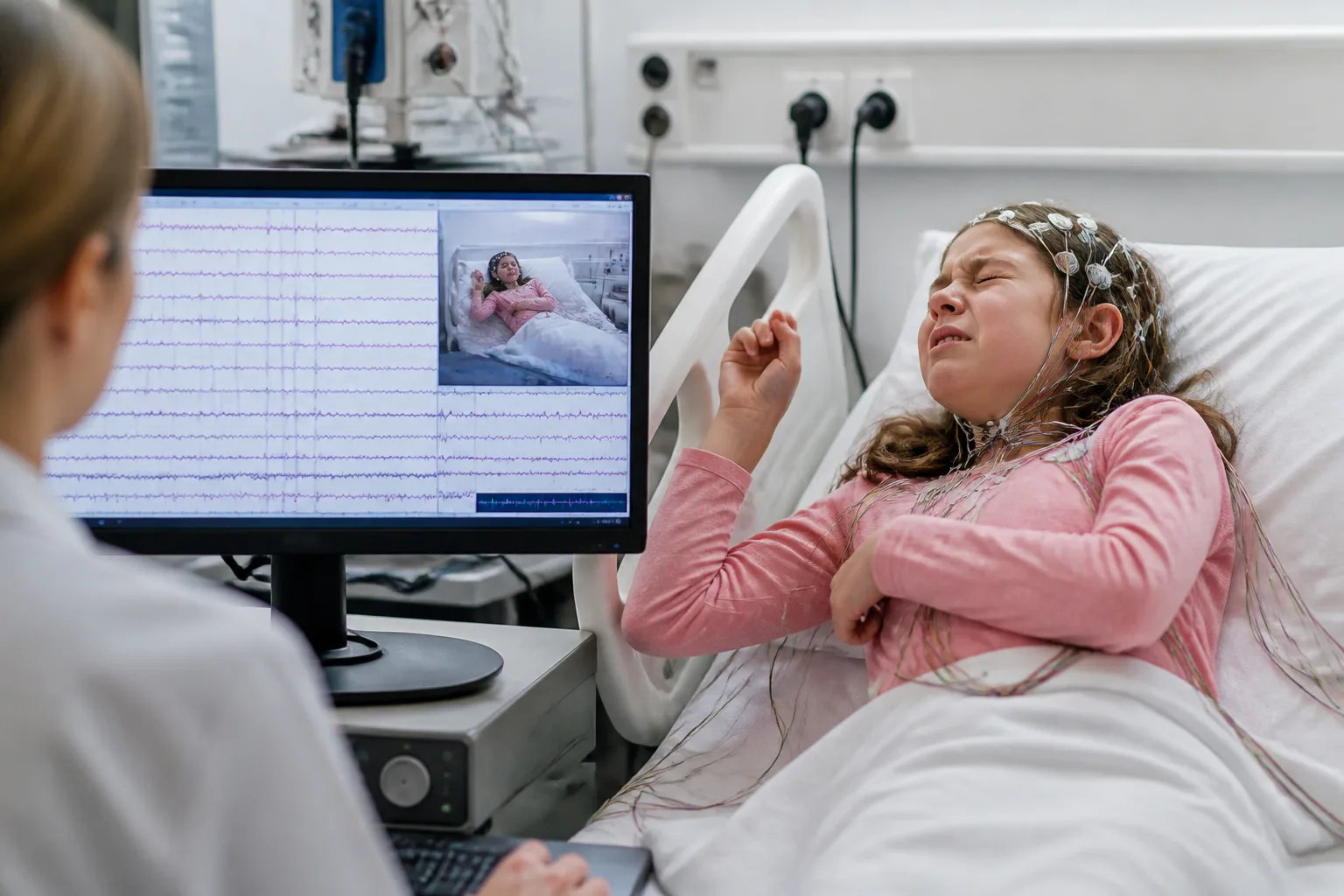
Most of these individuals had some level of intellectual disability, and almost all had coexisting psychiatric disorders. Behavioral dysregulation and autism spectrum disorder were particularly common. Notably, six of the eight patients were initially misdiagnosed with epileptic seizures, leading to unnecessary increases in antiseizure medications (ASMs) and hospital admissions.
Diagnostic and Treatment Implications
Following the correct diagnosis of FDS, adjustments to ASM regimens were made in three patients, including dose reductions or medication changes. The study emphasized the importance of a multidisciplinary approach involving psychiatry, psychology, and occupational therapy. Patients who received such comprehensive care showed clinical improvement, underscoring the benefit of early and accurate identification of FDS.
Context and Significance for Families
These findings suggest that functional seizures are a significant comorbidity in PCDH19-CE, especially during adolescence and adulthood. Recognizing FDS early can help avoid unnecessary treatments and hospitalizations, reducing the burden on patients and families. Multidisciplinary interventions tailored to the individual’s neuropsychiatric profile may improve quality of life and seizure management.
Considerations and Limitations
While this study provides valuable insights, it is retrospective and involves a relatively small sample size, which may limit generalizability. Further prospective research is needed to better understand the mechanisms and optimal management strategies for FDS in this population.
For more detailed information, see the original study published on PubMed: Functional (dissociative) seizures in PCDH19-clustering epilepsy: Clinical characteristics and diagnostic challenges.
Download the images in this article