Brain Function Differences Linked to Memory Challenges in Autism Spectrum Disorder: A Meta-Analysis

Overview of Memory-Related Brain Activity in Autism Spectrum Disorder
Autism Spectrum Disorder (ASD), a common neurodevelopmental condition marked by social and cognitive differences, often includes difficulties with memory. While memory challenges have been noted in autistic individuals for some time, the specific brain mechanisms underlying these difficulties have remained unclear. A recent meta-analysis has shed light on how brain activity patterns differ in people with ASD during memory tasks.
Key Findings from the Meta-Analysis
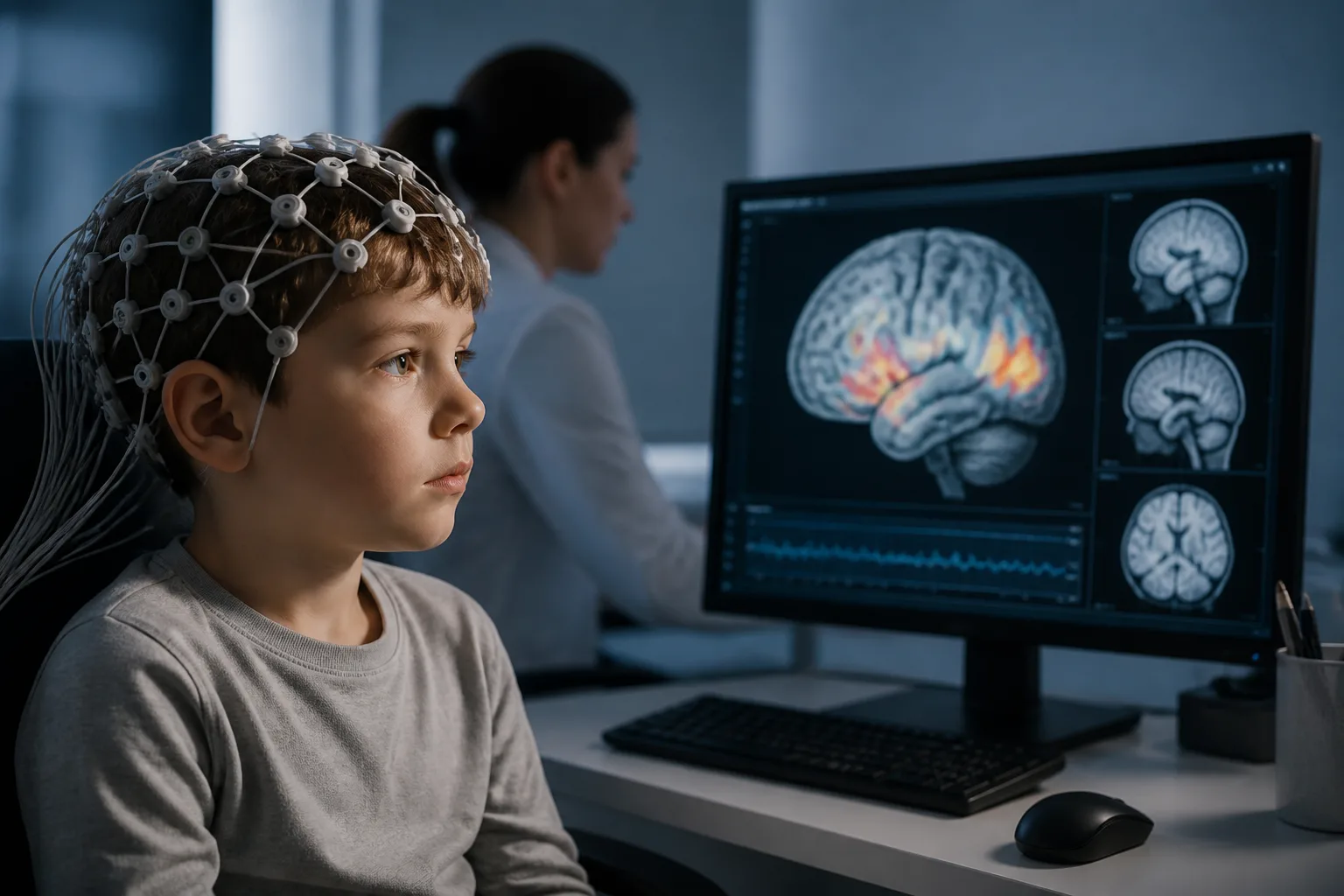
Researchers reviewed 42 studies examining memory function in ASD, with 22 studies included in a quantitative activation likelihood estimation (ALE) analysis. Their findings suggest that memory impairments in ASD may be linked to an imbalance in brain function between the left and right hemispheres. Specifically, there appears to be reduced activity in fronto-parietal regions of the left hemisphere, which are typically involved in memory processing, alongside increased engagement of corresponding areas in the right hemisphere.
Additionally, the analysis indicated a potential deficit in top-down control originating from the frontal lobe during memory tasks. This means that the frontal regions, which help regulate and guide memory processes, may not be functioning optimally in ASD. The atypical brain activity patterns also seemed to vary depending on the type of memory task and the nature of the stimuli presented.
Implications for Understanding Memory in ASD
These findings contribute to a more nuanced understanding of how memory functions may differ in autistic individuals at the neural level. The imbalance between hemispheres and altered frontal lobe involvement could help explain the variability and challenges in memory performance observed clinically. Recognizing these neural patterns may eventually inform tailored interventions or strategies to support memory in ASD.
Considerations and Future Directions
While this meta-analysis provides valuable insights, it is important to note that the evidence does not establish direct causation between brain activity differences and memory difficulties. Variations in study designs, task types, and participant characteristics mean that further research is needed to clarify these relationships. Additionally, the heterogeneity of ASD suggests that memory-related brain function may differ widely among individuals.
Overall, this study highlights the importance of considering brain hemispheric balance and frontal lobe function when investigating memory in autism, offering a foundation for future research and potential clinical applications.
For more detailed information, the original study can be accessed here.
Download the images in this article