Pre- and Probiotics May Help Gastrointestinal Symptoms in Autism, Behavioral Effects Less Clear

Study Reviews Impact of Pre- and Probiotics on Autism Spectrum Disorder
A recent systematic review explored whether interventions targeting gut microbiota through prebiotics and probiotics could alleviate gastrointestinal (GI) and behavioral symptoms in individuals diagnosed with autism spectrum disorder (ASD). The review analyzed data from multiple clinical studies to assess the potential benefits and safety of these supplements for this population.
Key Findings on Gastrointestinal and Behavioral Symptoms
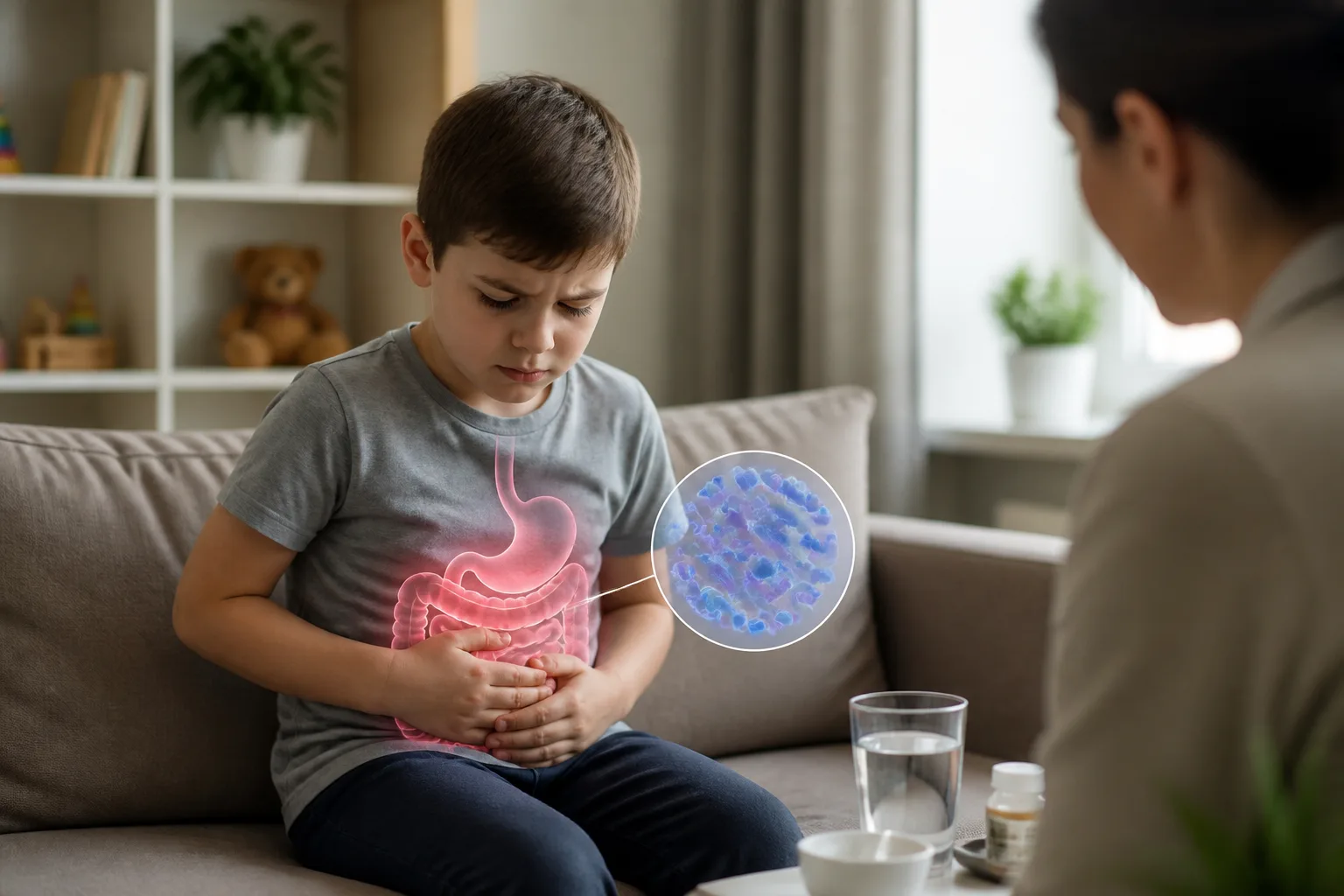
The review included 15 studies involving a total of 1,015 participants with ASD. Most probiotic treatments involved strains of Bifidobacterium and Lactobacillus, while prebiotic interventions commonly used compounds like galactooligosaccharides. Results showed that many participants experienced changes in their gut microbiota composition alongside improvements in GI symptoms, such as reduced abdominal pain and discomfort.
Behavioral improvements were reported in some studies but were less consistent across the research. Factors such as the specific probiotic strains used, the length of treatment, and the participants’ diets may have influenced these variable outcomes.
Context and Considerations for Families
Gut microbiota-targeted therapies were generally found to be safe for individuals with ASD and may serve as a supportive approach to managing GI-related issues, which are common in this group. However, the evidence supporting their effectiveness for core behavioral symptoms of ASD remains limited and inconclusive.
Most research to date has focused on children, with fewer studies including adolescents or adults, highlighting a need for broader age representation in future work.
Limitations and Future Research Needs
The review authors emphasize that some observed benefits might result from combined interventions rather than prebiotics or probiotics alone. Additionally, the variability in study designs and treatment protocols makes it challenging to draw firm conclusions.
They recommend larger, well-designed, long-term clinical trials to better understand how these supplements affect gut microbiota and ASD symptoms, identify which individuals might benefit most, and clarify the underlying biological mechanisms.
For families considering pre- or probiotic supplements, consultation with healthcare providers is advised to ensure safe and appropriate use within a comprehensive care plan.
Source: For detailed study information, see the original publication at PubMed.
Download the images in this article