Skip to content
Love Beyond Words - autismwords.com Love Beyond Words - autismwords.com Love Beyond Words - autismwords.com

Supporting children with autism through education and care

Love Beyond Words - autismwords.com Love Beyond Words - autismwords.com Love Beyond Words - autismwords.com

Supporting children with autism through education and care

  • Learning & Support
    • Communication Skills
    • Daily Living Skills
    • Emotional Regulation
    • Everyday Challenges
    • Learning Through Play
    • Parent Education & Advocacy
    • Positive Behavior Support
    • Routines & Transitions
    • Social Skills
    • Speech & Language
  • Autism News & Perspectives
  • Hero News
  • Learning & Support
    • Communication Skills
    • Daily Living Skills
    • Emotional Regulation
    • Everyday Challenges
    • Learning Through Play
    • Parent Education & Advocacy
    • Positive Behavior Support
    • Routines & Transitions
    • Social Skills
    • Speech & Language
  • Autism News & Perspectives
  • Hero News
Close

Search

  • https://www.facebook.com/
  • https://twitter.com/
  • https://t.me/
  • https://www.instagram.com/
  • https://youtube.com/
Love Beyond Words - autismwords.com Love Beyond Words - autismwords.com Love Beyond Words - autismwords.com

Supporting children with autism through education and care

Love Beyond Words - autismwords.com Love Beyond Words - autismwords.com Love Beyond Words - autismwords.com

Supporting children with autism through education and care

  • Learning & Support
    • Communication Skills
    • Daily Living Skills
    • Emotional Regulation
    • Everyday Challenges
    • Learning Through Play
    • Parent Education & Advocacy
    • Positive Behavior Support
    • Routines & Transitions
    • Social Skills
    • Speech & Language
  • Autism News & Perspectives
  • Hero News
  • Learning & Support
    • Communication Skills
    • Daily Living Skills
    • Emotional Regulation
    • Everyday Challenges
    • Learning Through Play
    • Parent Education & Advocacy
    • Positive Behavior Support
    • Routines & Transitions
    • Social Skills
    • Speech & Language
  • Autism News & Perspectives
  • Hero News
Close

Search

  • https://www.facebook.com/
  • https://twitter.com/
  • https://t.me/
  • https://www.instagram.com/
  • https://youtube.com/
Home/Autism News & Perspectives/Estudo revela os fatores que tornam o canto das aves único
Estudo revela os fatores que tornam o canto das aves único
Autism News & Perspectives

Estudo revela os fatores que tornam o canto das aves único

By Sarah Mitchell
August 29, 2026 2 Min Read
0

Pesquisa esclarece diferenças na aprendizagem vocal entre aves

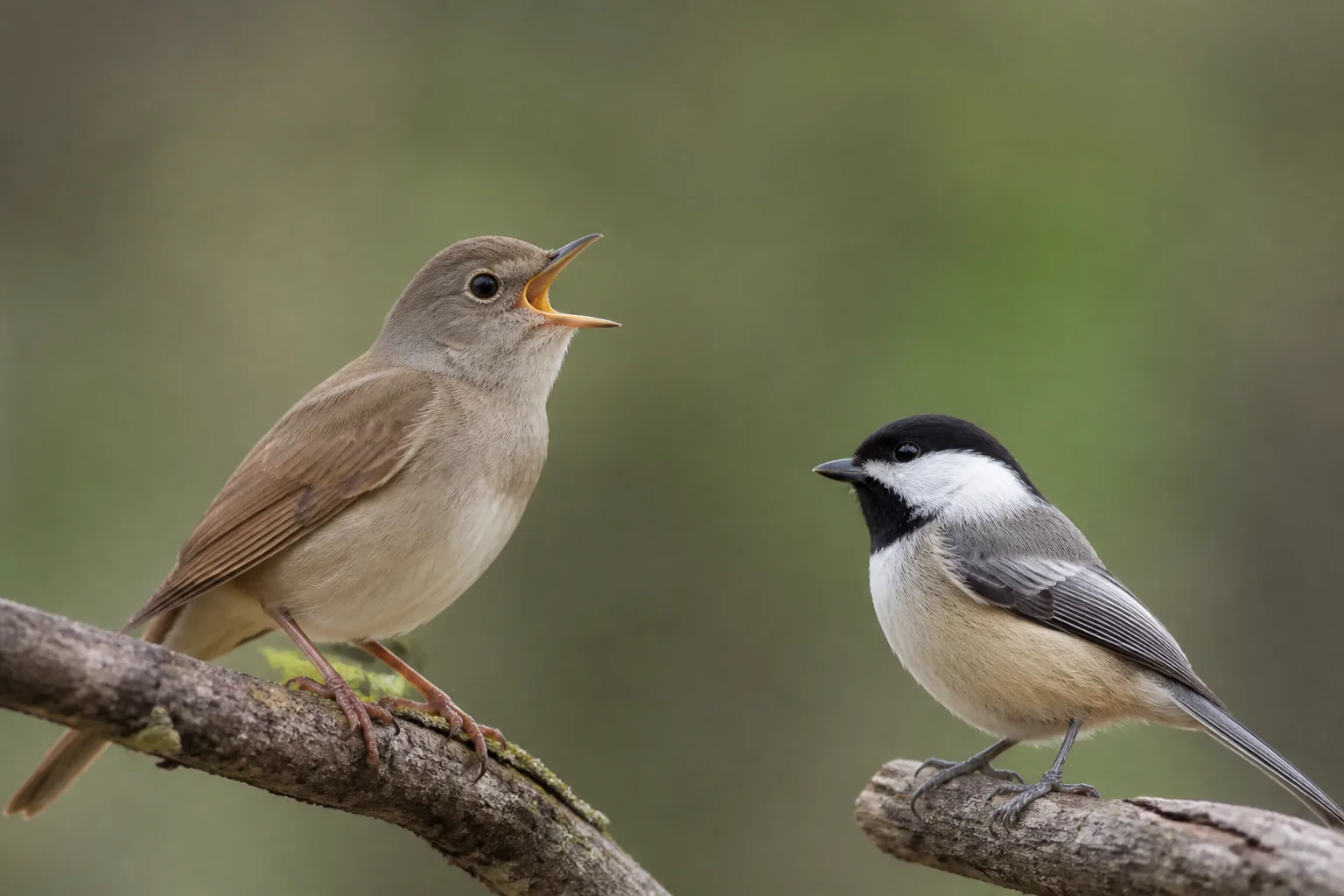
Um estudo recente investigou as diferenças entre duas linhagens de aves próximas evolutivamente — as oscinas e as suboscinas — para entender o que torna o canto de cada ave único. Enquanto as oscinas aprendem a cantar, as suboscinas não apresentam essa capacidade, o que oferece uma oportunidade valiosa para os cientistas explorarem os correlatos neurais ligados à aprendizagem e à variabilidade vocal.

Oscinas versus suboscinas: um contraste na aprendizagem do canto

As oscinas são conhecidas por sua habilidade de aprender e modificar seus cantos ao longo da vida, um processo que envolve mudanças neuronais específicas. Em contrapartida, as suboscinas possuem cantos que são mais inatos e menos sujeitos a variações aprendidas. Essa distinção permite aos pesquisadores comparar os mecanismos cerebrais que sustentam a aprendizagem vocal e a diversidade nos padrões de canto.

Implicações para a neuroetologia e a compreensão da comunicação animal

Ao identificar os correlatos neurais associados à aprendizagem do canto, a pesquisa contribui para uma melhor compreensão de como o cérebro das aves processa e adapta sinais vocais. Esses insights podem ajudar a elucidar os fundamentos biológicos da comunicação vocal em animais, incluindo os humanos, e a variabilidade individual observada nas expressões sonoras.

Considerações para famílias e interessados em neurociência

Embora o estudo seja focado em aves, ele destaca a importância da aprendizagem e da plasticidade cerebral na comunicação. Para famílias e educadores, isso reforça a ideia de que a exposição e a prática são fundamentais para o desenvolvimento de habilidades comunicativas, ainda que os processos biológicos subjacentes possam variar entre espécies.

Limitações e perspectivas futuras

Os resultados são preliminares e baseados em comparações entre grupos específicos de aves, o que significa que extrapolações diretas para outras espécies devem ser feitas com cautela. Pesquisas futuras poderão aprofundar o entendimento dos mecanismos neurais e ampliar o conhecimento sobre a diversidade vocal no reino animal.

Para mais detalhes, consulte a fonte original da pesquisa em The Transmitter.

Baixe as imagens usadas neste artigo

  • Estudo revela os fatores que tornam o canto das aves único

Tags:

aprendizagem vocalcanto de avescomunicação animalneuroethologyoscinassuboscinasvariabilidade vocal
Author

Sarah Mitchell

Follow Me
Other Articles
New Study to Explore Brain Hyperexcitability’s Role in Cognitive Decline Across Disorders
Previous

New Study to Explore Brain Hyperexcitability’s Role in Cognitive Decline Across Disorders

Heavy Metals and Environmental Factors Linked to Neurological Disorders Across Lifespan
Next

Heavy Metals and Environmental Factors Linked to Neurological Disorders Across Lifespan

No Comment! Be the first one.

Leave a Reply Cancel reply

Your email address will not be published. Required fields are marked *

ADHD ASD ASD research autism autism communication autism diagnosis autism parenting autism research autism spectrum disorder autism support autistic adults autistic children child communication child development child independence communication communication skills communication support communication supports communication tools coping strategies daily living skills early intervention emotional regulation fine motor skills Functional Communication intellectual disability language development learning through play mental health mouse model neurodevelopment neurodevelopmental disorders neurodiversity neuroinflammation parent advocacy positive behavior support sensory accommodations sensory needs sensory processing sensory support sex differences visual learning set visual routine young children

  • Halliwick Aquatic Therapy Linked to Improved Quality of Life in Children with
    Halliwick Aquatic Therapy Linked to Improved Quality of Life in Children with Autism Spectrum Disorder
    A study suggests that Halliwick-based aquatic physical activity may improve quality of life in children and adolescents with autism spectrum disorder, showing benefits in psychological well-being and autonomy.
  • New Insights into Autism: Linking Brain Fluid Dynamics and Network Development to
    New Insights into Autism: Linking Brain Fluid Dynamics and Network Development to Clinical Outcomes
    New research explores how brain fluid movement and neural network development may influence autism's clinical outcomes, offering insights into its diverse trajectories.
  • Study Links Perceived Stress and Auditory Sensitivity in Autistic and Non-Autistic University
    Study Links Perceived Stress and Auditory Sensitivity in Autistic and Non-Autistic University Students
    A study finds perceived stress is linked to auditory sensitivity in autistic and non-autistic university students, with autistic students showing higher sensitivity.
  • New Study Supports Reliable Autism Intervention Measures Across Clinic and Home Settings
    New Study Supports Reliable Autism Intervention Measures Across Clinic and Home Settings
    A recent study found that brief observational tools measuring social communication and caregiver strategies in young autistic children are reliable and feasible across both clinic and home settings, supporting flexible early intervention assessments.
  • Study Highlights Social Disadvantages Impacting Health of Autistic Adults Without Intellectual Disability
    Study Highlights Social Disadvantages Impacting Health of Autistic Adults Without Intellectual Disability
    A UK study finds autistic adults without intellectual disability face social disadvantages that contribute to higher chronic illness and mortality risks, highlighting the need for systemic policy changes.
Halliwick Aquatic Therapy Linked to Improved Quality of Life in Children with
Halliwick Aquatic Therapy Linked to Improved Quality of Life in Children with Autism Spectrum Disorder
October 16, 2026
New Insights into Autism: Linking Brain Fluid Dynamics and Network Development to
New Insights into Autism: Linking Brain Fluid Dynamics and Network Development to Clinical Outcomes
October 16, 2026
Study Links Perceived Stress and Auditory Sensitivity in Autistic and Non-Autistic University
Study Links Perceived Stress and Auditory Sensitivity in Autistic and Non-Autistic University Students
October 16, 2026
New Study Supports Reliable Autism Intervention Measures Across Clinic and Home Settings
October 16, 2026
Study Reveals Sex-Specific Behavioral Changes in Mice Lacking α5-Nicotinic Acetylcholine Receptors
157 views
Preparing for Loud Events: 6 Sensory Support Steps for Children
139 views
Expressing Discomfort and Asking for Help: 6 Essential Communication Phrases for Young
Expressing Discomfort and Asking for Help: 6 Essential Communication Phrases for Young Children
133 views
Feeling Worried: 6 Steps to Help Young Children Recognize and Manage Worry
131 views
Using a Calm Voice: 5 Positive Steps for Young Children
129 views

Content on this website is created with the assistance of artificial intelligence (AI), while some portions are still reviewed and overseen by humans. All content and resources are provided completely free of charge.

Some information may be referenced or cited from reputable sources. Whenever possible, we will clearly identify the sources used within each article.

If you have any questions, feedback, or would like to contact us, please email: info@autismwords.com

Copyright 2026 — Love Beyond Words - autismwords.com. All rights reserved. Blogsy WordPress Theme

Join Us on the Journey to Understanding Autism

Subscribe to receive curated autism knowledge, lessons, and the latest news — delivered to you regularly.

We promise to send only helpful autism-related information and knowledge — no ads, no spam. You can unsubscribe anytime.

Thank you for subscribing!