New Study to Explore Brain Hyperexcitability’s Role in Cognitive Decline Across Disorders

Research Project Targets Brain Hyperexcitability in Cognitive Disorders
Study Design and Methods
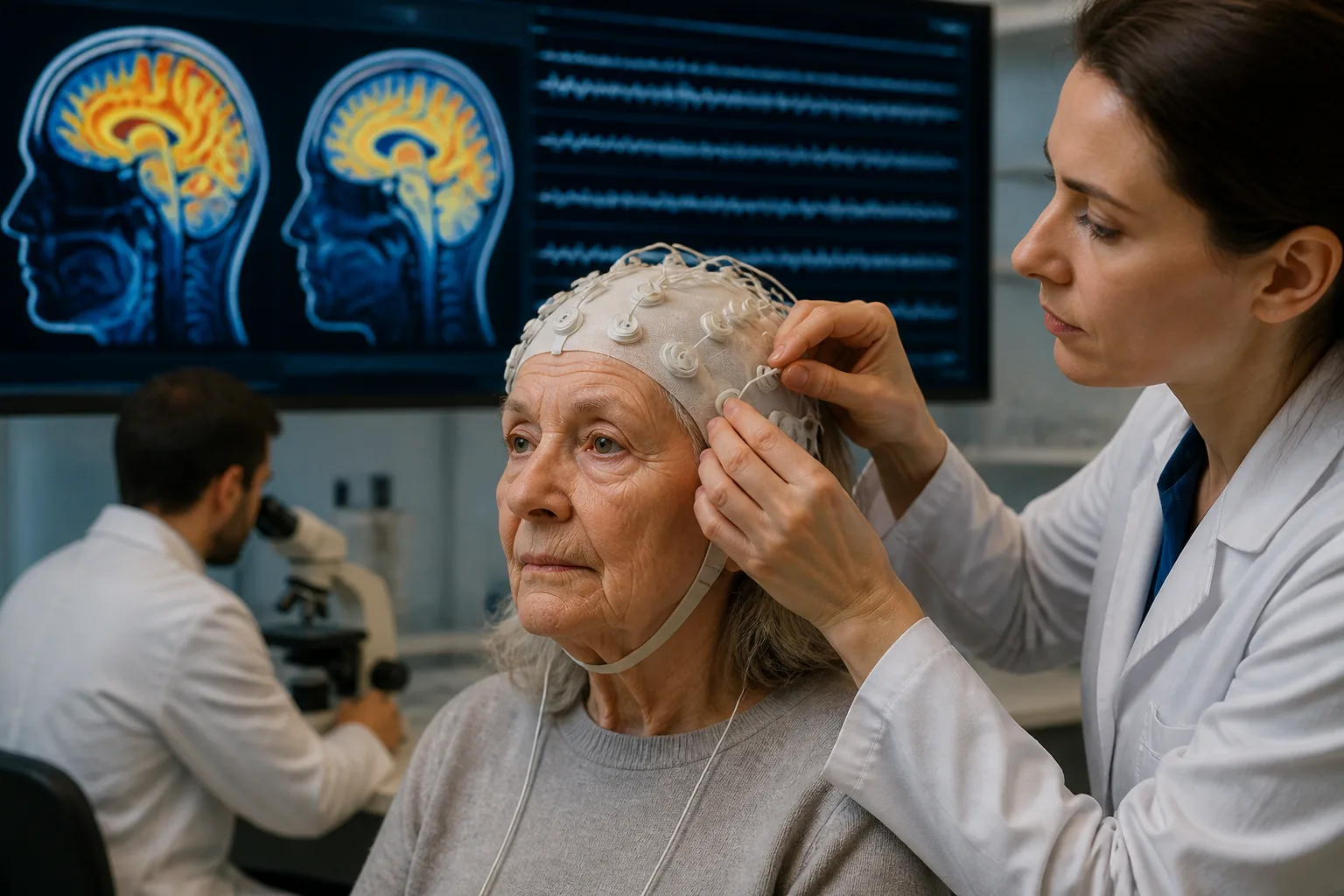
The project is a prospective, multimodal observational study recruiting 300 participants in total, with 75 individuals in each group. Conducted at the National Institute of Psychiatry and Addictology in Budapest, Hungary, the study employs a comprehensive diagnostic protocol. Participants will undergo detailed neuropsychological testing, structural and resting-state functional magnetic resonance imaging (MRI), and 24-hour ambulatory electroencephalography (EEG) to assess brain activity.
For patients with neurodegenerative conditions, cerebrospinal fluid (CSF) sampling will be included to measure biomarkers related to tau and amyloid proteins, which are associated with neurodegeneration. Participants showing signs of cortical hyperexcitability—an abnormal increase in brain activity—will be invited to participate in a more detailed in-ward substudy. This will involve three days of video-EEG monitoring, repeated cognitive testing, overnight sleep recordings focusing on sleep spindles, and serial blood sampling to track circadian variations in tau and amyloid levels.
Key Objectives and Expected Outcomes
The primary goal is to determine how frequently cortical hyperexcitability occurs in each diagnostic group compared to healthy controls. Secondary objectives include exploring how this hyperexcitability relates to brain structural changes, white matter integrity, functional connectivity among key brain networks (such as the default mode, salience, and attention networks), and cognitive performance across different domains.
Additionally, the study will assess the relationship between hyperexcitability and levels of tau and amyloid proteins in both cerebrospinal fluid and plasma, which may provide insight into underlying neurodegenerative processes.
Potential Implications for Clinical Practice
By systematically characterizing cortical hyperexcitability across multiple neurocognitive disorders, this research aims to identify biomarkers that could help predict risk for cognitive decline. Such biomarkers might improve patient stratification for clinical trials testing treatments that target brain hyperexcitability. Ultimately, findings from this project may support the development of personalized prevention and intervention strategies to preserve cognitive function.
Considerations and Next Steps
While this study protocol outlines a comprehensive approach, results are not yet available. The complex relationship between cortical hyperexcitability and cognitive impairment requires cautious interpretation, as current evidence mainly indicates associations rather than direct causation. Future findings will need to be validated and contextualized within broader research on neurodegeneration and neurodevelopmental disorders.
For more detailed information on the study design and objectives, see the original publication at PubMed.
Download the images in this article