
Distinguishing Benign from Dangerous Gastric Pneumatosis: A Complex Clinical Challenge

Understanding Gastric Pneumatosis and Its Variants
Gastric pneumatosis is an uncommon condition characterized by the presence of gas within the wall of the stomach. It encompasses two distinct clinical entities: gastric emphysema (GE) and emphysematous gastritis (EG). GE is generally considered a benign, noninfectious condition, whereas EG involves infection by gas-producing bacteria and is associated with a high risk of mortality.
Case Overview: A Complex Presentation
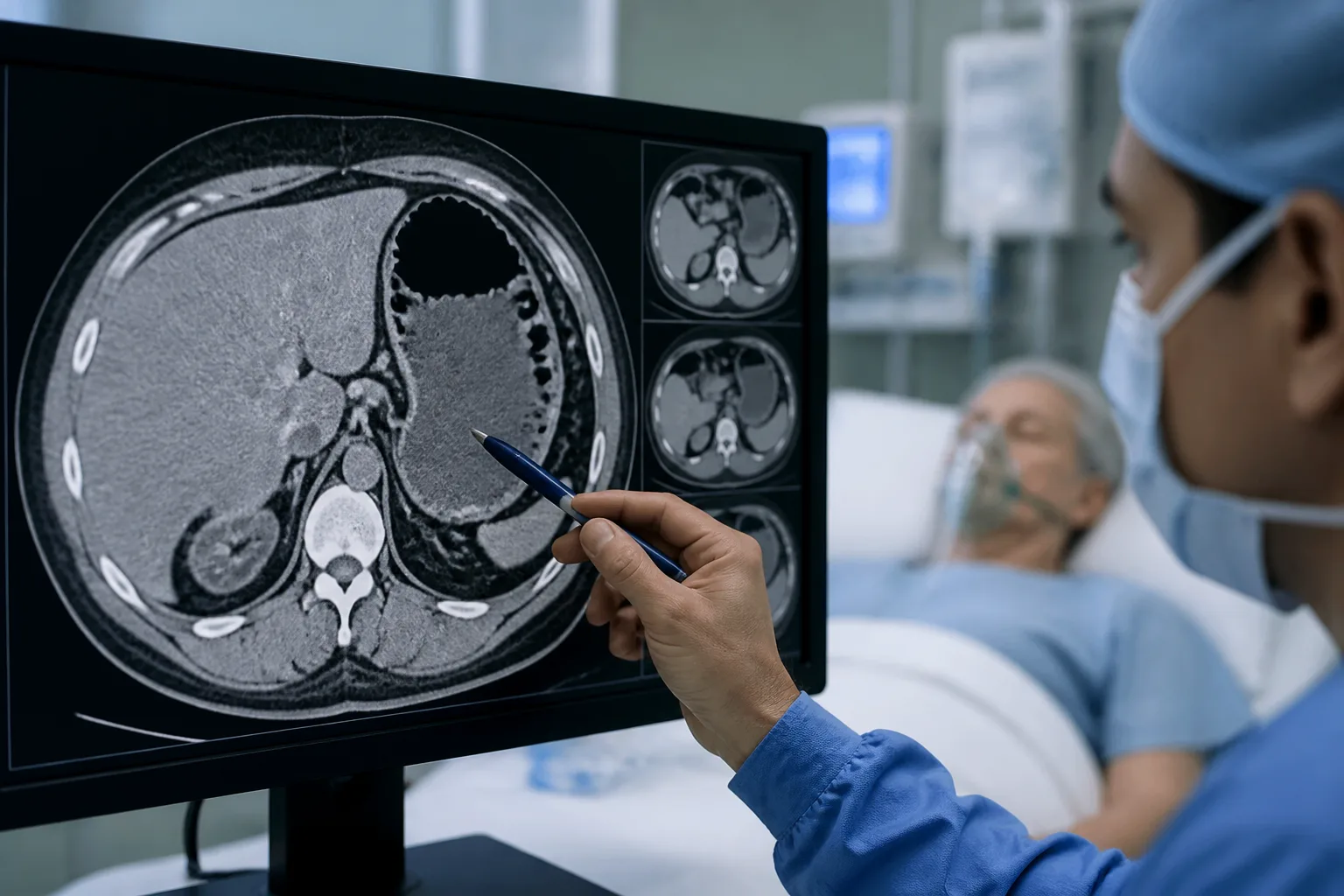
A recent case report detailed a 34-year-old man with autism spectrum disorder and severe protein-calorie malnutrition who was dependent on a percutaneous endoscopic gastrostomy (PEG) tube. He presented in shock following an out-of-hospital cardiopulmonary arrest that required prolonged resuscitation. Computed tomography (CT) scans revealed right lower lobe pneumonia and gastric pneumatosis located away from the PEG site. Notably, the patient did not exhibit any abdominal symptoms.
Diagnostic Evaluation and Clinical Findings
Further evaluation with esophagogastroduodenoscopy (EGD) showed intact gastric mucosa without signs of ischemia or necrosis, which are typically concerning for severe gastric injury. Blood cultures identified pan-susceptible Escherichia coli, indicating bacteremia. Despite the presence of shock and bloodstream infection, the patient’s gastric mucosa remained preserved.
Management and Outcome
The patient received supportive care alongside antibiotic treatment targeting the identified bacteria. He stabilized rapidly, and repeat imaging performed within 48 hours demonstrated complete resolution of the gastric pneumatosis. This clinical course supported a diagnosis of gastric emphysema rather than emphysematous gastritis.
Clinical Implications
This case highlights the diagnostic challenge in differentiating between benign and potentially lethal forms of gastric pneumatosis. The integration of clinical presentation, radiographic imaging, and endoscopic findings is critical to guide appropriate management. Recognizing features such as preserved mucosal integrity and rapid radiographic improvement can help avoid unnecessary surgical interventions in patients with gastric emphysema.
Conclusion
While gastric pneumatosis can signify a life-threatening infection, not all cases carry the same prognosis. Careful assessment combining multiple diagnostic modalities is essential to distinguish between gastric emphysema and emphysematous gastritis, ensuring patients receive the most appropriate treatment.
For more detailed information, see the original case report at PubMed.
Download the images in this article